

3 Key Things to Know Before Booking a 2-Tank Day Dive
Before booking a 2-tank day dive, know your certification level, understand what gear is included, and check the dive site conditions. These three things directly shape whether your experience is safe, comfortable, and worth the trip.
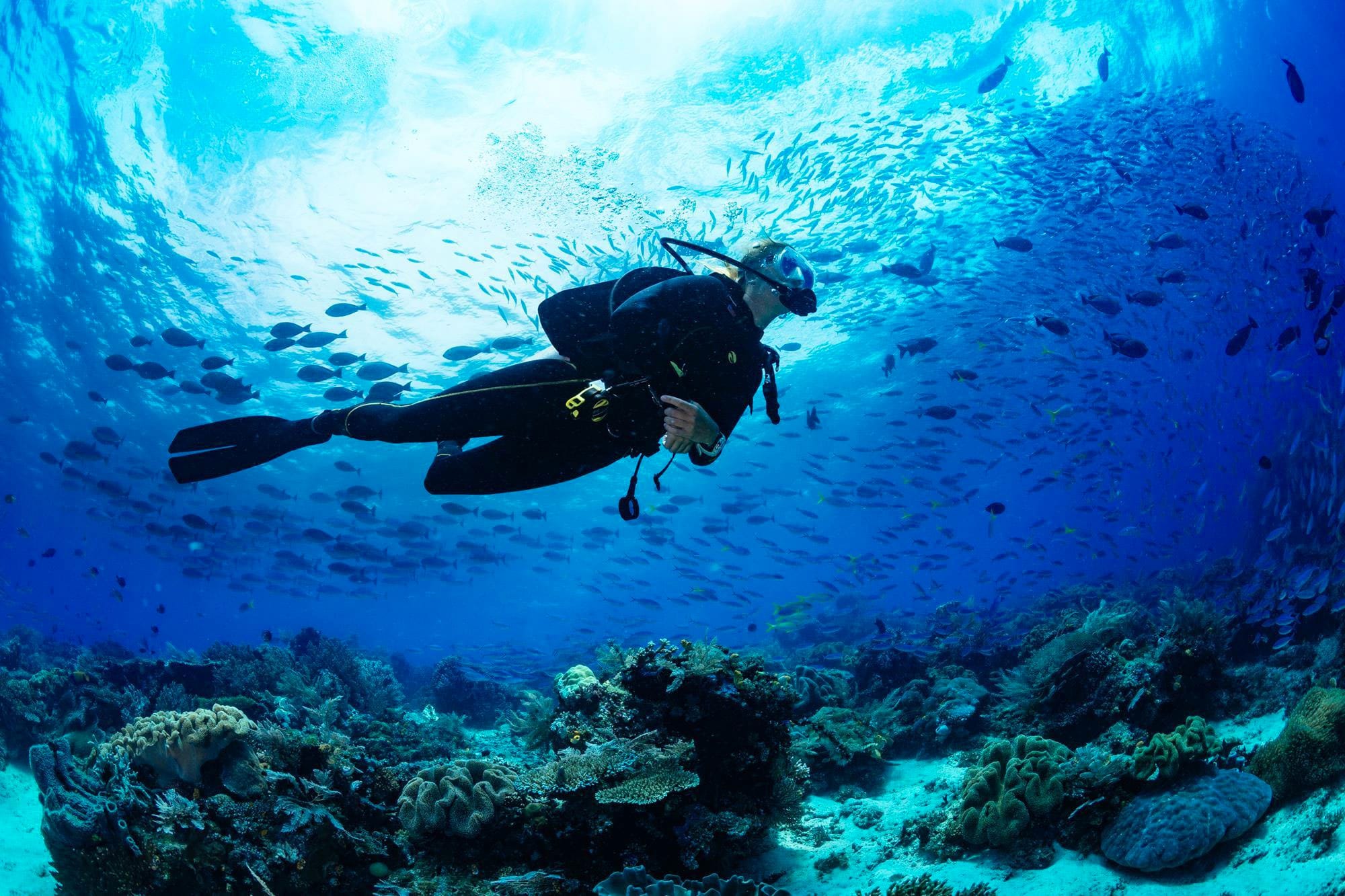
Located on the west coast of the Big Island, Kona sits along a volcanic shoreline where black lava rock meets some of the clearest waters in Hawaii. What makes this area especially unique is its naturally sheltered coastline, which keeps ocean conditions calm year-round and creates ideal visibility, along with frequent sightings of manta rays, sea turtles, and vibrant reef life.
That’s why many divers choose scuba diving tours in Kona, as these guided experiences are designed to make the most of the region’s stable conditions while offering a safe and well-organized dive.
Here are the key things you should know before booking your 2-tank day dive:
Thing 1: Know Your Certification Level Before You Book
Your certification level determines which dives you can join. Not every 2-tank day dive is open to all divers, and booking the wrong one can result in being turned away at the dock.
Open Water vs. Advanced Certifications
Most operators offer different tiers based on experience. Open Water certified divers are generally limited to 60 feet, while advanced open water divers can go deeper, often to 100 feet or beyond.
- Open Water: suitable for most reef and lava tube dives
- Advanced: required for deeper wrecks and wall dives
- Rescue or Divemaster: may access specialized dives
Always check the depth rating of the specific dive sites listed in your booking. Some Kona dive operators list the maximum depth per site on their website before you pay.
Thing 2: Understand What Is and Is Not Included in the Price
Not all dive packages are priced equally. A lower rate may mean you are renting gear separately or that lunch, weights, and tanks are billed as add-ons.
Gear Rental vs. Personal Equipment
If you have your own BCD, regulator, and wetsuit, you can often reduce costs significantly. If you are renting, confirm the condition and type of gear offered.
Common inclusions to check:
- Tank fills (should be standard in a 2-tank package)
- Weights and weight belt
- Surface marker buoy (SMB)
- Wetsuit or skin suit rental
- Snacks or beverages between dives
Boat Type and Comfort
A larger boat with shade, seating, and a rinse tank is more comfortable between dives. Smaller boats are faster and more agile but offer less comfort. Ask the operator directly if this matters to you.
Thing 3: Check Dive Site Conditions for That Time of Year
Scuba diving in Kona is generally good year-round, but conditions vary by season. Wind patterns, swell direction, and visibility can change depending on the time of year.
Calm vs Rough Conditions
The west coast of the Big Island is sheltered from trade winds, which is why conditions there are generally calmer than on the east side. However, Kona can still experience seasonal south swells between May and September that affect certain sites.
- Lava tube dives: best in calmer conditions with high visibility
- Manta ray night dives: not typically part of a day dive package
- Pelagic dive sites: better in flatter seas
Visibility and Marine Life
Average visibility in Kona runs between 80 and 100 feet on a good day. You are likely to see sea turtles, spinner dolphins, and colorful reef fish, depending on the site.
Key Takeaways
- Your certification level determines which 2-tank day dive options are available to you.
- Always confirm what is included in the package price before booking.
- Gear rental adds cost if you do not own your own equipment.
- Kona’s west coast location offers naturally sheltered diving conditions.
- Visibility averages between 80 and 100 feet in good conditions.
- Seasonal south swells between May and September can affect site access.
- Checking the depth rating of listed sites helps match the dive to your experience level.