

Becoming a Better Skier Starts Long Before the Perfect Turn
Most people think becoming a better skier is about courage. Ski something steeper. Go faster. Push harder. While boldness has its place, real improvement rarely comes from brute force. It comes from awareness.
Skiing is one of those rare sports where subtle adjustments change everything. A slight shift in balance. A calmer upper body. A cleaner edge angle. These details separate someone who survives the mountain from someone who flows with it. If you want to become a better skier, the goal is not domination. It is refined.
Master Balance Before You Chase Speed
Every strong skier you admire shares one trait. They look balanced. Not rigid. Not tense. Centered.
Balance in skiing is dynamic, not static. It means staying stacked over your feet as terrain shifts beneath you. It means resisting the urge to lean back when things feel fast or steep. It means trusting your boots and letting your legs absorb the mountain.
A simple way to improve quickly is to focus on your stance. Are you pressuring the front of your boots? Are your hands forward and quiet? When balance improves, control follows naturally. Speed becomes manageable rather than intimidating.
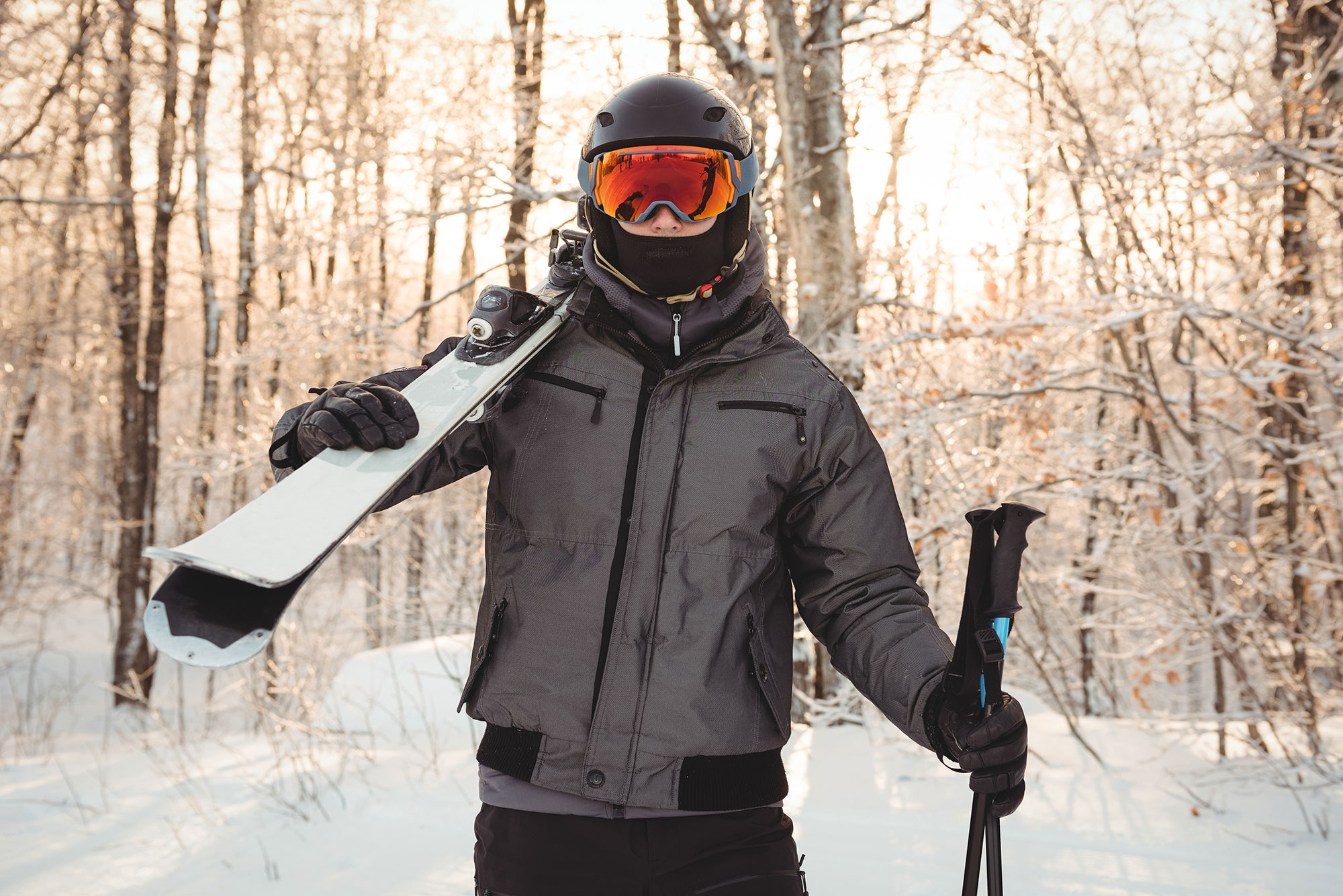
Slow Down to Get Better Faster
There is a paradox in skiing. The slower you practice, the faster you improve.
When you ski at the edge of your ability all the time, you reinforce survival habits. You brace. You skid. You react late. Slowing down allows you to feel what your skis are doing. It gives you time to shape turns intentionally rather than forcing them.
Find terrain that feels manageable. Practice smooth arcs. Feel how edges engage and release. Let repetition build muscle memory. Precision at moderate speeds lays the foundation for confidence at higher ones.
Take a Lesson Even If You Think You Do Not Need One
Many intermediate and advanced skiers plateau for years because they stop seeking feedback. A single lesson can unlock habits you did not even realize were holding you back.
An instructor sees patterns you cannot. They notice subtle timing issues. They correct stance and alignment in ways that change everything.
Skiing evolves constantly. Techniques refine. Equipment changes. A lesson is not a sign of weakness. It is a shortcut to awareness.
The best skiers in the world still coach and train. There is no ceiling on improvement.
Equipment Matters More Than Ego
You cannot buy ski equipment that does not fit or match your ability. Many skiers plateau not because of skill, but because they are fighting their gear.
Boots are the foundation. If they are too big, too soft, or poorly fitted, your control suffers instantly. A properly fitted boot should feel snug, secure, and responsive. It is not supposed to feel like a sneaker. It is supposed to connect you directly to the ski. A professional boot fitting at Denver sports shops, Breckenridge ski shops, or Telluride winter stores can change your skiing more dramatically than a new pair of skis ever will.
Skis themselves should reflect how and where you ski. An advanced skier on overly stiff, aggressive skis may struggle to initiate turns cleanly. An improving skier on outdated or overly narrow skis may fight instability in softer snow. Modern all mountain skis are designed to be versatile and forgiving while still holding an edge at speed. The right ski supports your progression instead of punishing small mistakes.
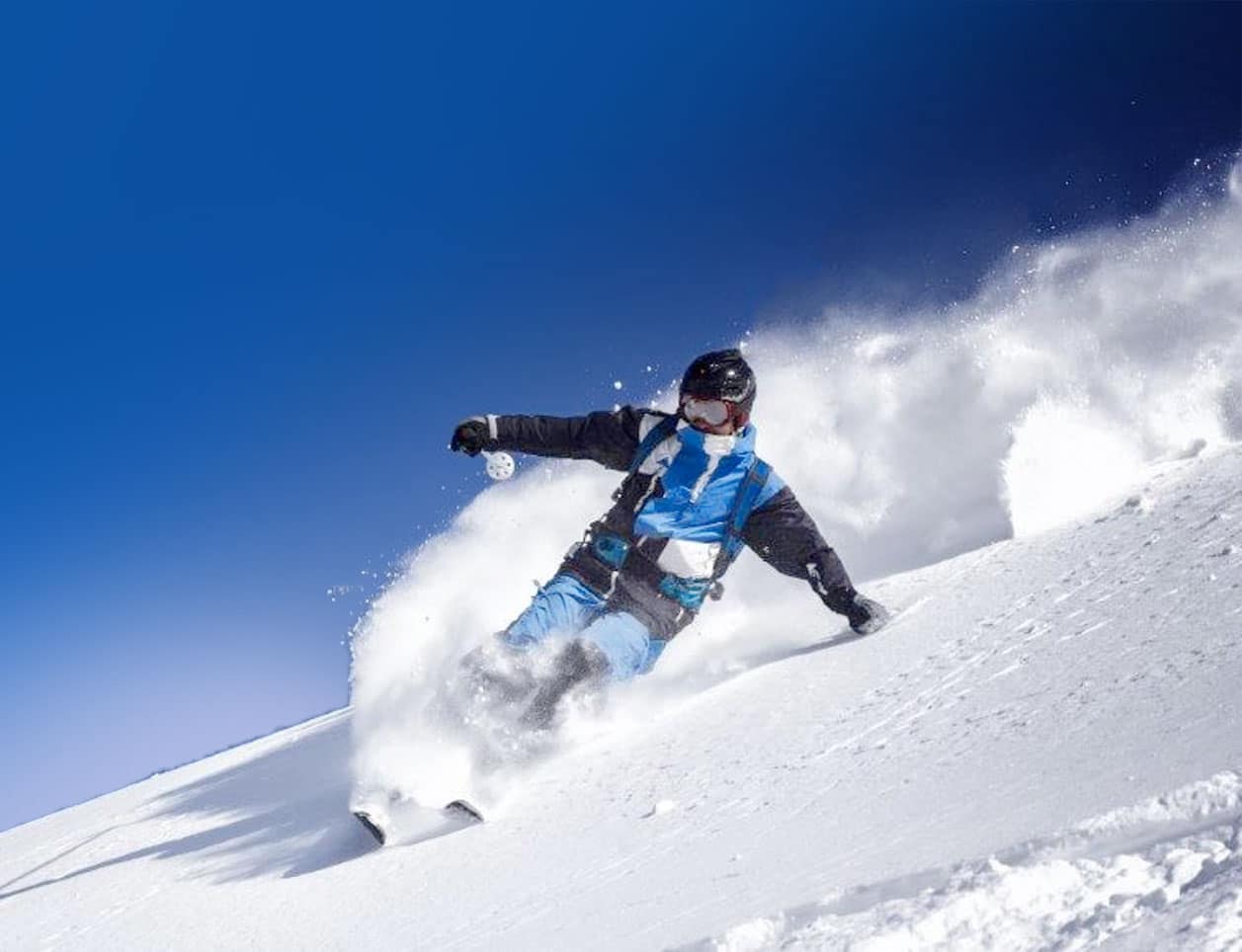
Train Your Legs but Also Your Mind
Physical conditioning matters. Strong legs allow longer days. A stable core improves control. Flexibility keeps movements fluid.
But skiing is as much mental as physical. Fear, hesitation, and tension show up immediately in your skiing. When your mind tightens, your body follows.
Visualization can be surprisingly powerful. Before a run, picture the type of turn you want to make. Imagine smooth transitions and controlled movements. Confidence often starts as a mental rehearsal before it becomes reality on snow. Calm skiers progress faster than anxious ones.
Train Your Legs but Also Your Mind
Physical conditioning matters. Strong legs allow longer days. A stable core improves control. Flexibility keeps movements fluid.
But skiing is as much mental as physical. Fear, hesitation, and tension show up immediately in your skiing. When your mind tightens, your body follows.
Visualization can be surprisingly powerful. Before a run, picture the type of turn you want to make. Imagine smooth transitions and controlled movements. Confidence often starts as a mental rehearsal before it becomes reality on snow. Calm skiers progress faster than anxious ones.
Learn to Love Edges
Edges are where skiing truly begins. The moment you stop skidding and start carving intentionally, the mountain feels different.
Focus on tipping your skis onto their edges gradually. Feel how they grip. Let the sidecut shape the turn rather than forcing it with upper body rotation.
Carving does not require extreme speed. It requires patience and pressure control. Once you experience a clean carve, you understand why advanced skiers look effortless. The ski does the work when you guide it properly.
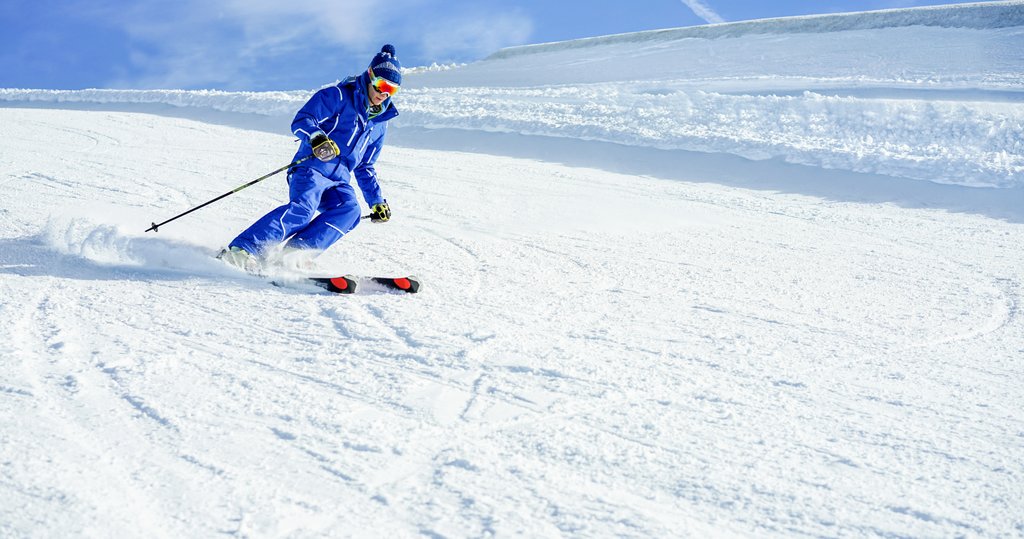
Ski Different Terrain to Expand Your Skill Set
Staying on familiar runs builds comfort but limits growth. Variety forces adaptation.
Groomers refine carving. Moguls improve timing and absorption. Trees sharpen reaction speed. Powder teaches balance and patience.
You do not need to throw yourself into terrain far beyond your ability. Instead, gradually introduce new challenges. A slightly steeper pitch. A softer snow day. A mild bump run.
Growth happens at the edge of comfort, not far beyond it.
Watch Better Skiers and Study Their Rhythm
Improvement often begins with observation. Watch how strong skiers move. Notice how quiet their upper bodies remain. See how smoothly they transition from one turn to the next.
Their rhythm tells a story. There is no rush. No flailing. Just consistent pressure and release.
Skiing is a dance with gravity. The better you understand rhythm, the more fluid your movement becomes.
The Mountain Is Your Teacher
Every run offers feedback. If you listen to the mountain will tell you exactly what you need to work on.
Did you lose balance entering that turn? Did you rush the transition? Did fear tighten your movements?
Improvement comes from curiosity, not criticism. Ask questions after each run. Adjust slightly. Try again.
Over time, those small adjustments stack. What once felt overwhelming begins to feel manageable. What once felt fast begins to feel fluid.
Becoming a better skier is not about conquering the mountain. It is about refining your relationship with it. Each turn becomes more intentional. Each descent is more expressive.
Film Yourself and Be Honest
It can be uncomfortable, but video does not lie. Many skiers are surprised by what they see when they watch themselves.
Hands drop lower than expected. Hips sit back. Turns look rushed.
Video creates clarity. Once you see your habits, you can correct them. Improvement accelerates when feedback becomes visible rather than theoretical.