

Castilian Avenues, Mediterranean Icons, and Moorish Palaces of Spain
Spain is often described through contrast — inland and coast, Christian and Islamic, monumental and intimate. What becomes clearer once you begin moving through the country is that these elements are less divided than they appear. They form a continuous cultural fabric, shaped by geography, power, and daily life rather than by clear historical breaks.
Castilian avenues, Mediterranean cities, and Moorish palaces do not compete for meaning. They exist alongside one another, connected by movement and habit. Understanding Spain comes not from standing still in front of landmarks, but from travelling between them and noticing how the atmosphere shifts without fully changing.
Madrid and the Language of the Avenue
Madrid introduces Spain through openness and scale. The city’s broad avenues feel deliberate, designed to accommodate visibility, procession, and daily circulation all at once. Movement here is direct. Streets lead clearly from one area to another, encouraging a steady pace rather than wandering.
In the capital, public space is meant to be shared openly. People walk with purpose, but without urgency. Cafés extend outward. Conversations overlap. The avenue functions as both route and gathering place.
This clarity sets the tone for what follows.
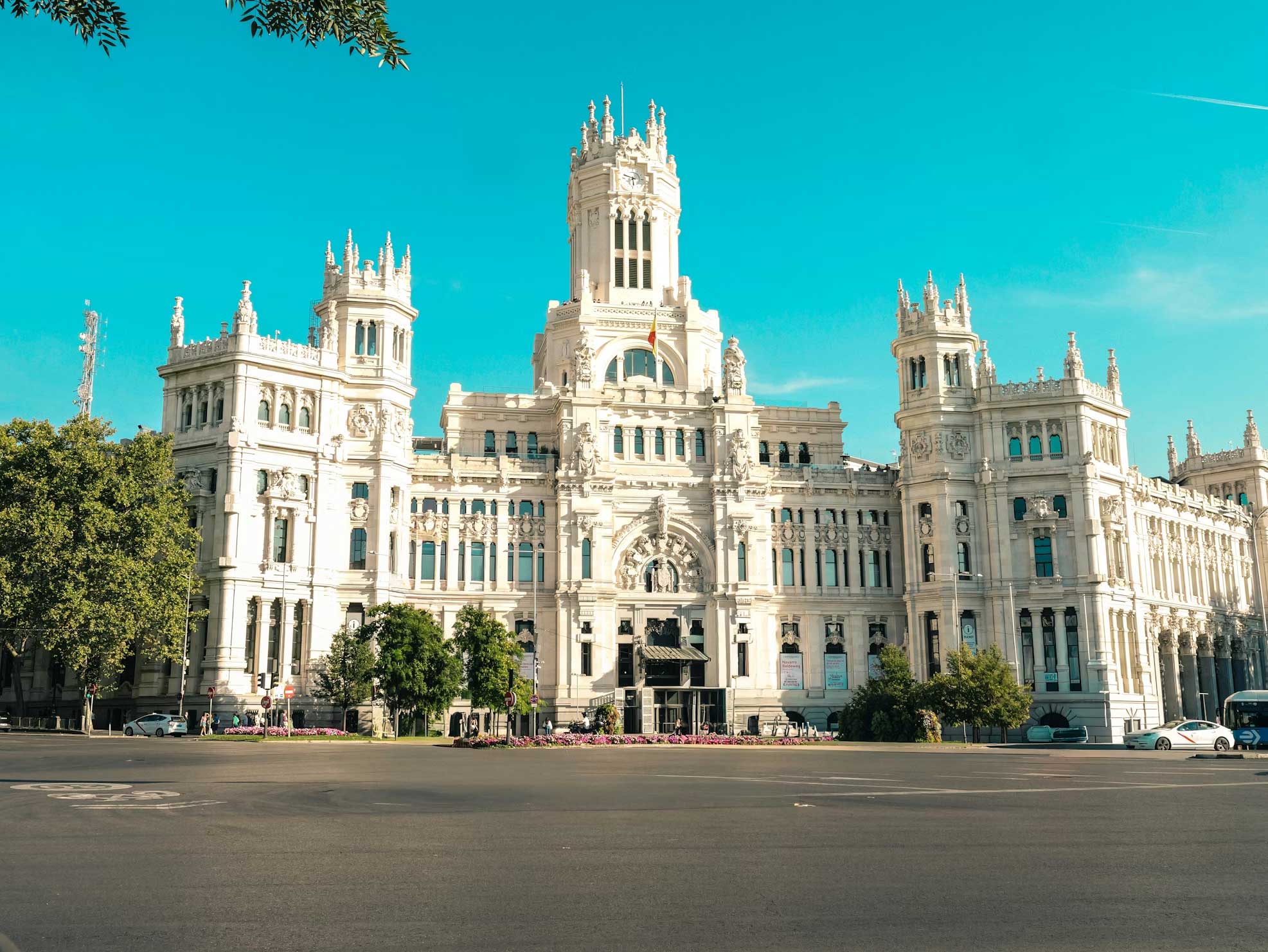
Castilian Space and Order
Castilian architecture favours structure over ornament. Buildings align cleanly. Squares open generously. Even older districts carry a sense of organisation rather than density.
What stands out is how easily daily life fits within this framework. Streets support routine without drawing attention to themselves. Nothing insists on admiration. The city feels confident enough to remain functional.
Madrid’s role is not to impress immediately, but to orient.
When Safety Issues Turn Personal
Many outdoor challenges are practical. You get turned around. The weather snaps. Someone tweaks an ankle. With experience and solid choices, those situations usually stay manageable.
Personal safety incidents aren’t like that. They can happen at trailheads, dispersed campsites, quiet access roads, or while traveling between destinations. And when they do, the hardest part is often what comes after, when adrenaline fades, and you’re left trying to decide what to do next.
It helps to acknowledge reality without letting it take over the whole story. Sexual harassment and sexual assault can happen outdoors, just as they can happen anywhere. If you or someone you’re with experiences sexual assault, having a basic understanding of your options can bring structure back into a moment that feels chaotic. Knowing how to report a sexual assault and what to expect can make the next steps feel less overwhelming, especially when you’re far from home or dealing with unfamiliar systems.
Preparedness here doesn’t mean carrying fear into the woods. It means leaving yourself a few handholds if something goes wrong. The same mindset that has you saving maps and thinking through exit routes applies here, too. Clear options and access to support matter when the situation isn’t something you can shrug off and keep walking.
Southward Without Losing Momentum
Travelling south from Madrid does not feel like leaving one Spain for another. Journeys such as the Madrid to Seville train extend the capital’s rhythm outward, allowing change to register gradually.
As the landscape shifts, the atmosphere warms. Space softens. Time begins to loosen. Arrival does not feel abrupt. It feels like a continuation that has adjusted its tone.
Movement here is part of understanding, not a pause between experiences.
Seville and the Persistence of Moorish Influence
Seville introduces a different spatial language. Streets narrow. Shade becomes intentional. Courtyards replace open squares. Architecture turns inward, responding to heat and light rather than display.
Moorish palaces here are not isolated remnants. They are integrated into the city’s structure, shaping how space is used and perceived. Decoration serves function. Beauty manages climate.
The result is intimacy rather than monumentality.
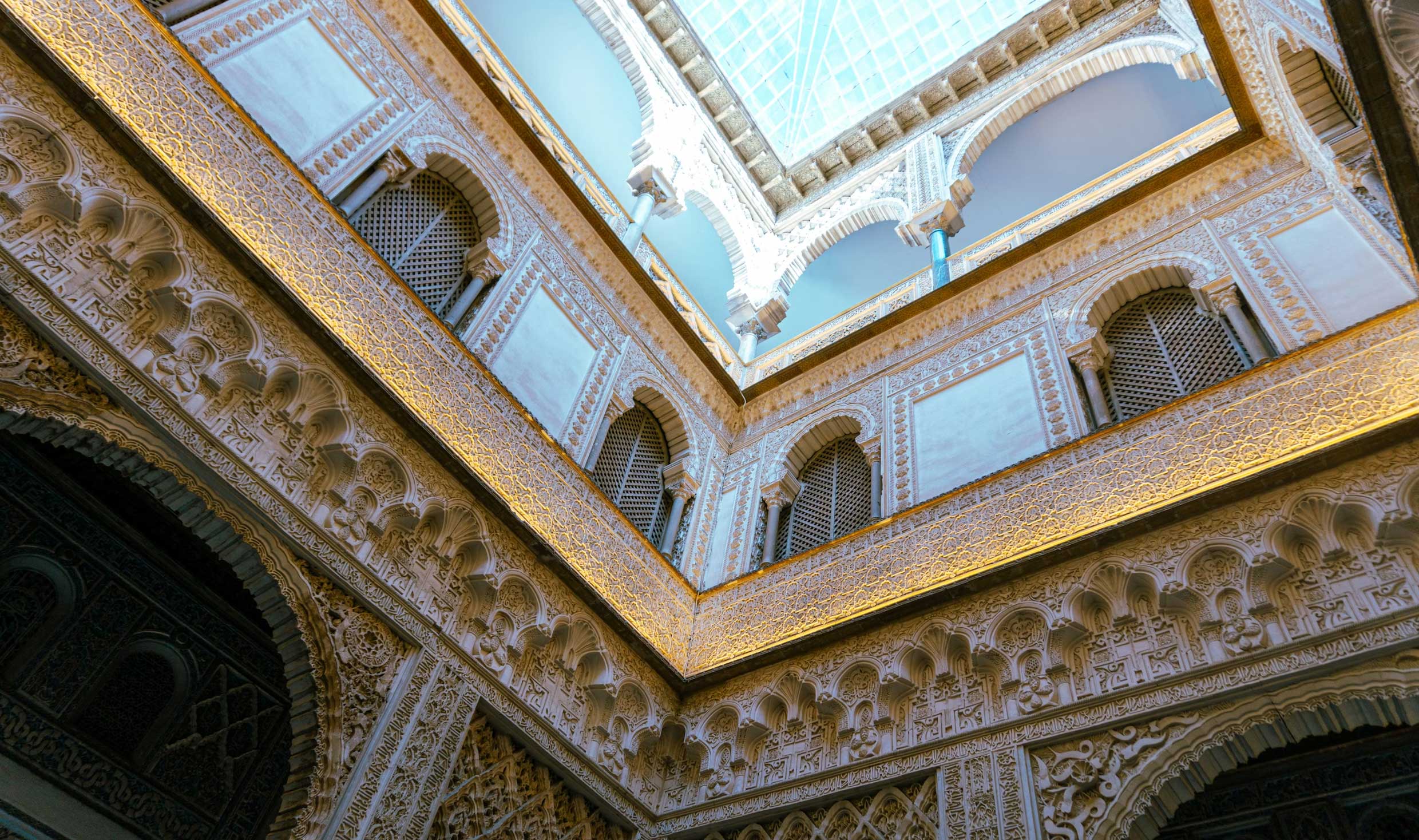
Palaces Built for Living With Climate
Moorish architecture in southern Spain reflects adaptation rather than dominance. Water cools courtyards. Walls shield rather than impress. Movement is guided gently through space.
These palaces feel calm, even when elaborate. They do not overwhelm. They invite stillness. Their endurance comes from how well they respond to environment rather than from symbolic power.
History here feels practical rather than distant.
Turning Toward the Mediterranean
Leaving Madrid again, this time eastward, introduces another shift. Routes like Madrid to Barcelona train tickets follow a line that gradually opens outward, trading inland restraint for coastal expression.
Light intensifies. Architecture becomes more outward-facing. Streets encourage visibility. Space feels designed to be seen as much as used.
The transition is noticeable, but not disruptive.
Barcelona and Mediterranean Openness
Barcelona approaches space with confidence. Buildings play with form. Streets invite pause. Public areas encourage observation as much as movement.
Mediterranean influence shows itself through balconies, openness, and an ease with display. Yet daily life remains central. Architecture supports rhythm rather than spectacle.
The city feels expressive without feeling forced.
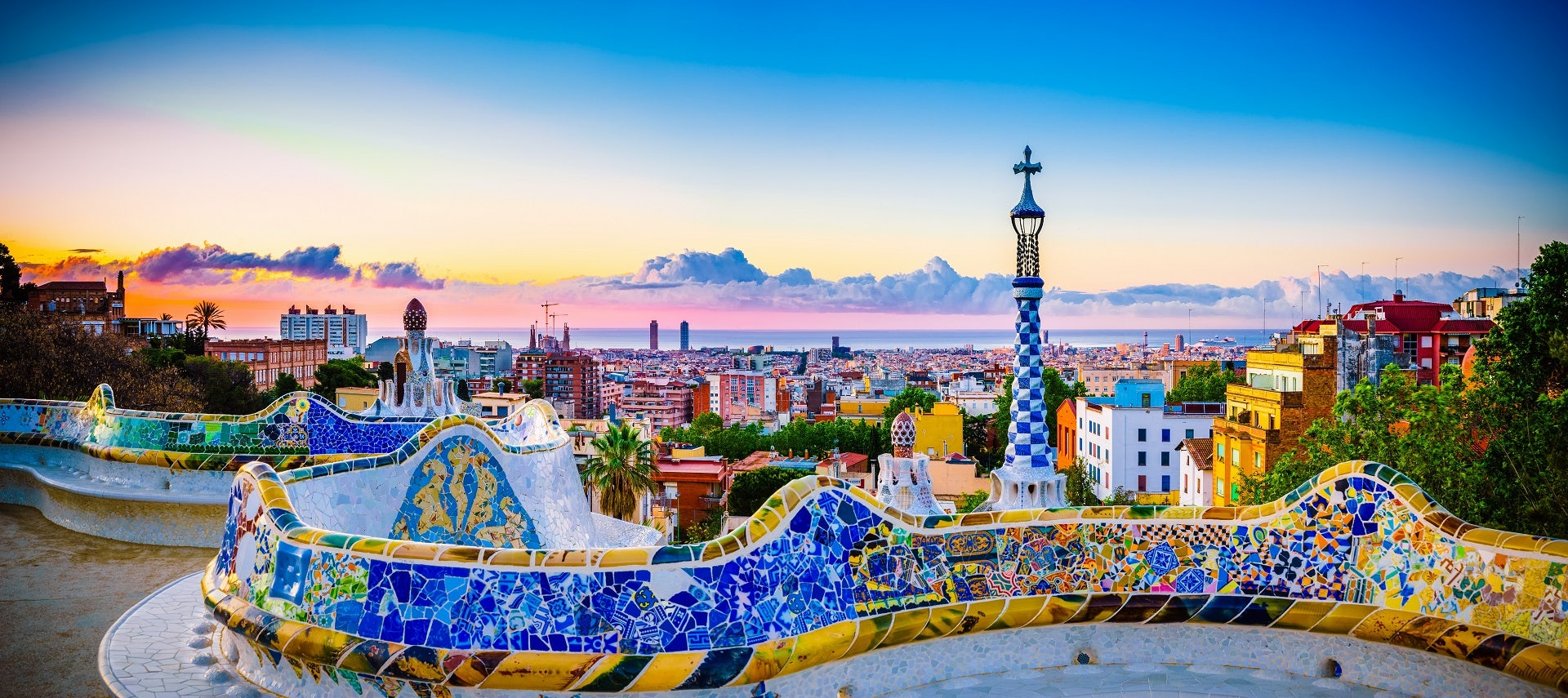
Icons That Blend Into Routine
Barcelona’s architectural icons are often celebrated, but what sustains the city is how seamlessly they fit into everyday use. People pass them repeatedly. They become reference points rather than destinations.
This familiarity softens impact over time. Awe gives way to comfort. The city becomes navigable rather than performative.
Use replaces novelty.
One Country, Multiple Spatial Instincts
Spain’s diversity is often framed as contrast, but its cities share a common instinct: architecture should support life before representing power. Whether open or inward, decorative or restrained, space remains functional.
Madrid organises. Seville adapts. Barcelona expresses. None replaces the other. Each adds another layer to the same cultural fabric.
The differences feel complementary rather than conflicting.
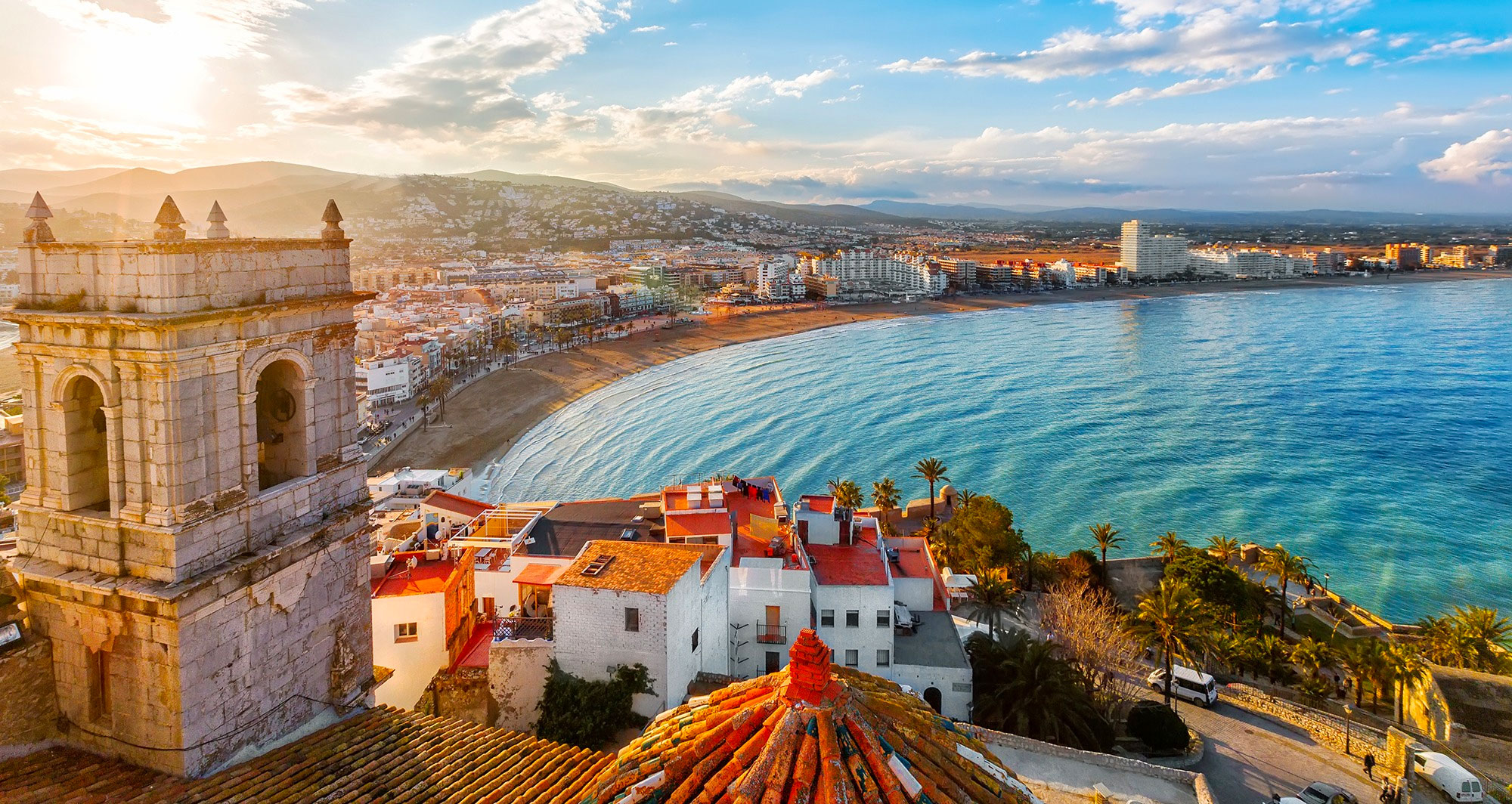
How Movement Reveals Continuity
What connects Castilian avenues, Moorish palaces, and Mediterranean icons is not style, but continuity of use. Streets remain active. Buildings remain inhabited. Space evolves without losing purpose.
Travel reveals this more clearly than observation. By moving between cities, you notice how change unfolds gradually rather than suddenly.
Spain explains itself through motion.
What Stays After the Journey
Later, what remains is not a catalogue of landmarks. It is the memory of changing pace — the steadiness of Madrid, the inward calm of Seville, the openness of Barcelona.
These shifts do not feel like separate experiences. They feel like variations on a shared rhythm.
Spain does not ask to be summarised. It allows you to move alongside it, long enough for its layers to feel connected rather than contrasted.