

Ethical Wildlife Tourism in Northern Thailand for Mindful Solo Female Travellers
The demand for independent travel continues to accelerate across the globe. With recent data showing a significant surge in women seeking empowering adventures, solo female travel is reshaping the tourism industry. Searches for solo travel have tripled over the last few years. According to recent industry research, women now account for nearly two-thirds of global travellers and dictate the vast majority of travel planning decisions. Countries like Thailand have responded to this demand by offering increasingly accessible routes and accommodations tailored to independent explorers. For many of these mindful adventurers, Northern Thailand is a dream destination, offering a mix of vibrant culture, lush rainforests, and unique wildlife encounters.
However, travelling responsibly requires careful planning. While seeing elephants is often at the top of a Thai itinerary, navigating the complex world of wildlife tourism can be challenging. When choosing an elephant jungle sanctuary in Chiang Mai experience, it is vital to verify that the organisation enforces a strict no-riding policy and operates transparently. Doing a bit of extra research before you book guarantees your money supports real conservation and legitimate rescue efforts rather than exploitative enterprises.
Prioritising Safety and Preparation
Solo travel in Southeast Asia is incredibly rewarding, but venturing into rural areas requires a solid plan. Whether you are navigating bustling city markets or heading out into the jungle, preparation is your best asset. Before embarking on any sanctuary visit or remote trek, taking time to review foundational safety tips for female travellers ensures your itinerary is as secure as it is memorable. This means researching your transport options, understanding the local geography, and informing someone of your travel plans back home before you lose mobile service.
When exploring Northern Thailand, cultural awareness is just as important as physical safety. The mountainous regions are home to various Indigenous communities, including the Karen hill tribes. These communities have a centuries-old cultural tradition of coexisting with elephants. Historically, they have treated the animals as extended family members rather than commodities. By taking the time to understand this local context, solo travellers can ensure their visits support sustainable economic alternatives for these rural populations. Supporting ethical operations run by these tribes helps preserve their cultural heritage while funding vital conservation work.
The Truth About Wildlife Encounters
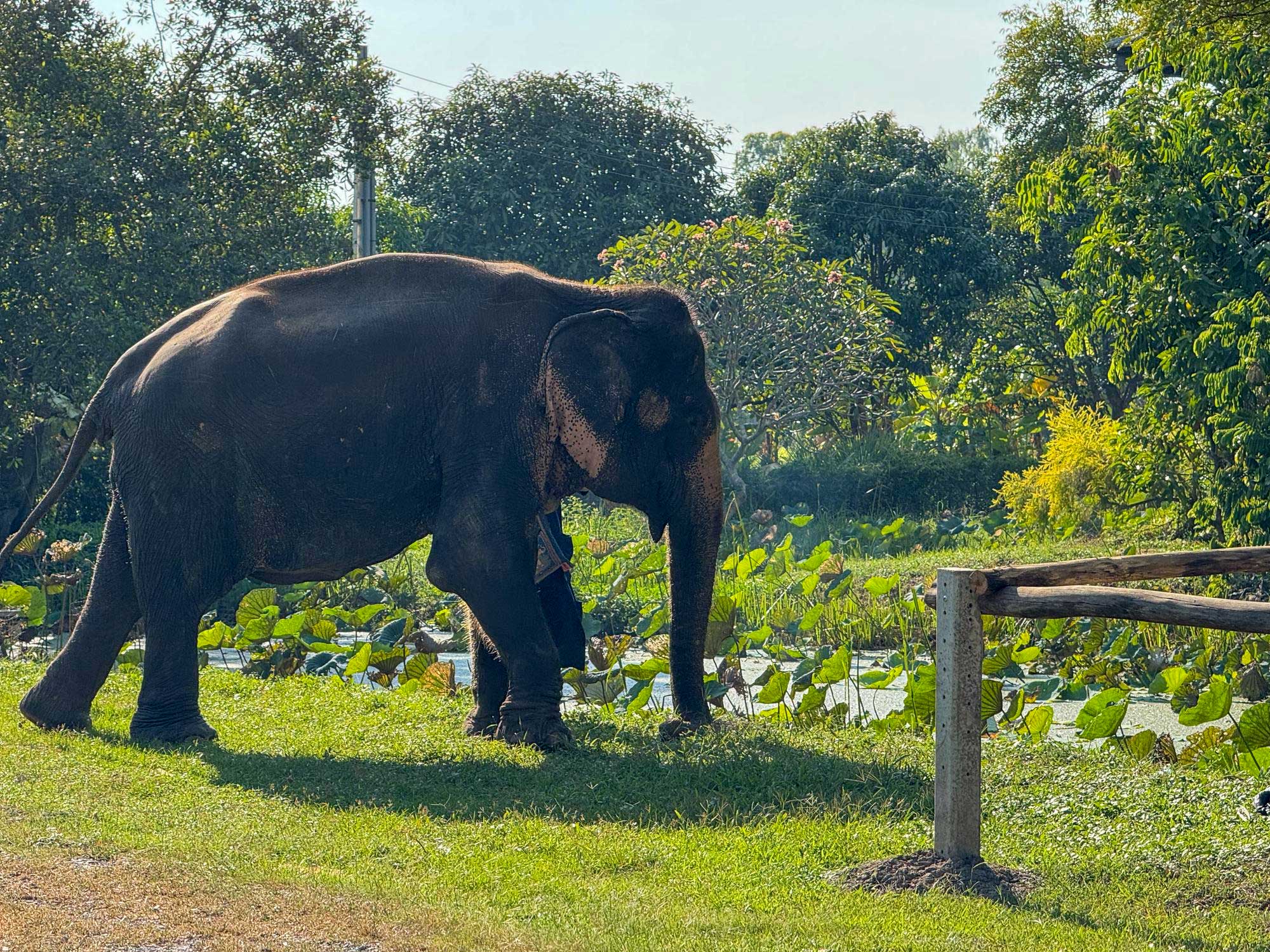
Despite growing global awareness around animal cruelty, the reality of elephant tourism remains troubling. A January 2026 report assessing thousands of captive elephants in Thailand’s tourism industry revealed that up to 69 percent still live in severely inadequate conditions. Alarmingly, only 7 percent of these animals are kept in truly high-welfare, observation-only environments. Animal welfare experts frequently warn of greenwashing within the tourism industry. They note that many venues have simply replaced riding with close-contact bathing and feeding. Unfortunately, these interactive encounters still require restrictive training methods to keep tourists safe.
Comprehensive research on elephant tourism highlights that these direct interactions inherently compromise animal welfare and visitor safety. A peer-reviewed study published in the International Journal of One Health concludes that infection and injury risks cannot be safely controlled in close-contact settings, recommending total bans on interactive performances in favour of observation-only models for free-ranging elephants. Driven by changing consumer ethics, more than 200 global travel companies have now officially adopted wildlife-friendly policies that prohibit the sale of tickets to hands-on encounters.
Vetting Ethical Sanctuaries in Northern Thailand
As mindful solo travellers, women have the power to drive positive change through their booking decisions. Authentic observation-only sanctuaries enforce a strict hands-off policy. This setup allows elephants the freedom to forage, roam, and socialise in their natural jungle habitats without the use of chains or bullhooks. Your tourism pounds act as a direct vote for the type of industry you want to support. By refusing to fund exploitative practices, travellers can collectively force the market to adopt higher welfare standards.
To avoid greenwashed venues, keep these actionable tips in mind when evaluating a wildlife centre:
- Check for hands-off policies. Genuine ethical parks do not offer riding, forced bathing, or choreographed feeding sessions. You should simply observe the elephants behaving naturally from a respectful distance.
- Look for community integration. Indigenous-led ecotourism initiatives provide vital income for local communities, offering a sustainable economic alternative to declining agricultural practices.
- Verify their habitat constraints. Elephants need vast amounts of space to forage and interact. Ensure the facility describes itself as a natural, unchained environment where the animals are not tethered or confined to small pens.
- Review independent feedback. Look beyond the promotional website and read reviews from other solo travellers to confirm the sanctuary actually practices what it preaches regarding animal welfare.
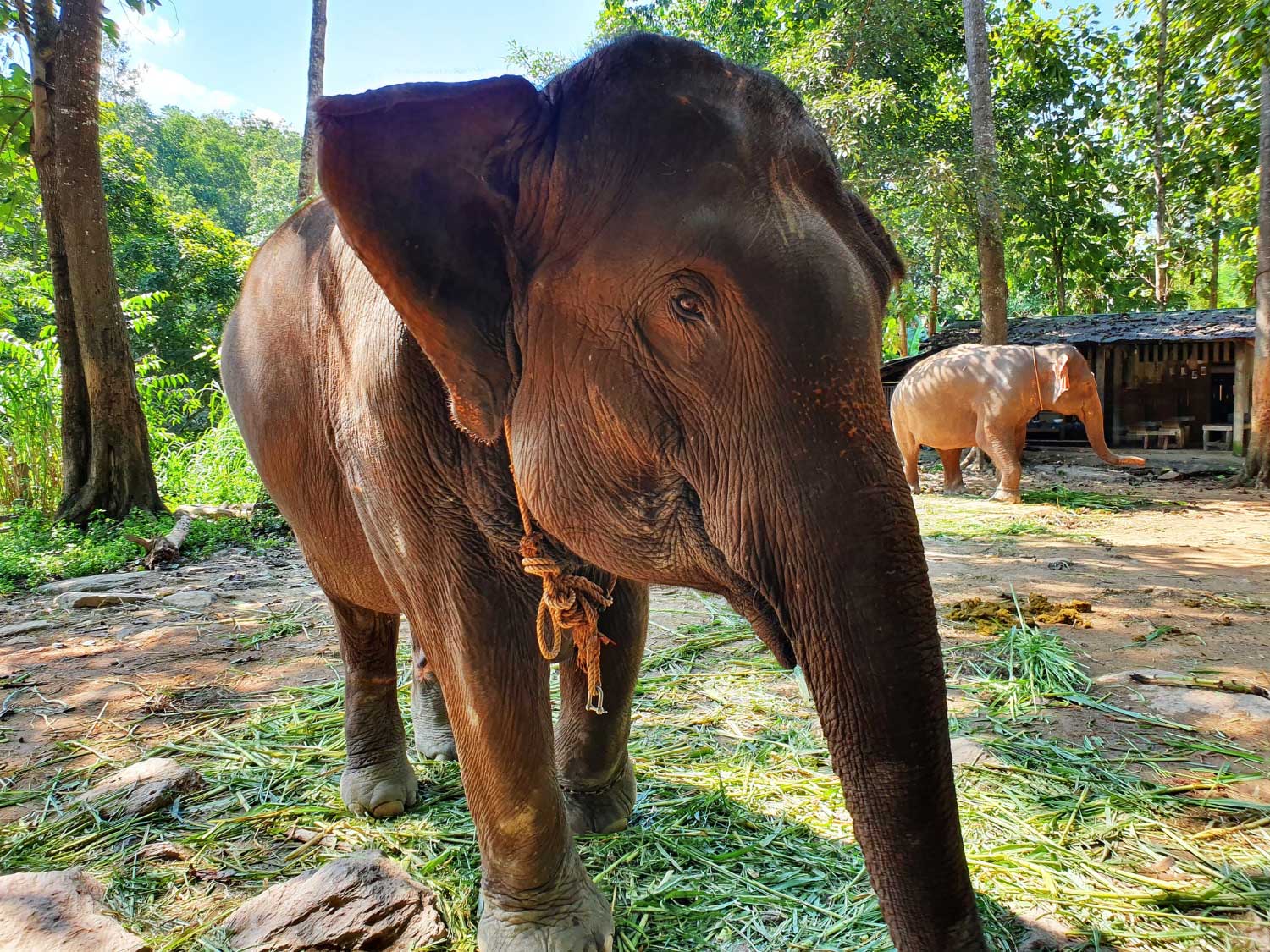
Choosing to visit an observation-only sanctuary is one of the most impactful decisions you can make while travelling in Thailand. By prioritising both personal safety and animal welfare, solo female travellers can enjoy a deeply meaningful adventure that leaves a positive mark on the local environment and its incredible wildlife.