

From Invitation to Arrival:
Navigating the Logistics of International Academic Visits
Getting an invitation to participate in an international academic programme? That’s a huge milestone for any scholar’s career. The United Kingdom stays at the top as a destination for researchers, faculty members and doctoral candidates looking for collaborative work, presenting findings or chasing advanced study opportunities. But moving from accepting that invitation to actually showing up on campus means dealing with a complicated process of administrative, legal and practical requirements. Understanding these logistics ahead of time makes the difference between a smooth transition and a stressful journey that pulls focus away from why the visit exists in the first place.
The whole process needs careful attention to details, realistic timelines and solid preparation. Students underestimate how much time actually getting everything arranged takes, then find themselves rushing through important steps or getting in trouble due to documentation. Taking a methodical approach that tackles each piece systematically lets visiting scholars put their energy where it belongs: on the intellectual work that got them invited.
Securing the Right Documentation for Academic Entry
First practical obstacle? Getting proper authorisation to enter and stick around in the host country for however long the academic engagement lasts. Visa requirements shift dramatically based on nationality, what kind of visit it is and how long it runs. Scholars planning research collaborations, teaching gigs or conference participation need figuring out which entry permission category fits their specific situation.
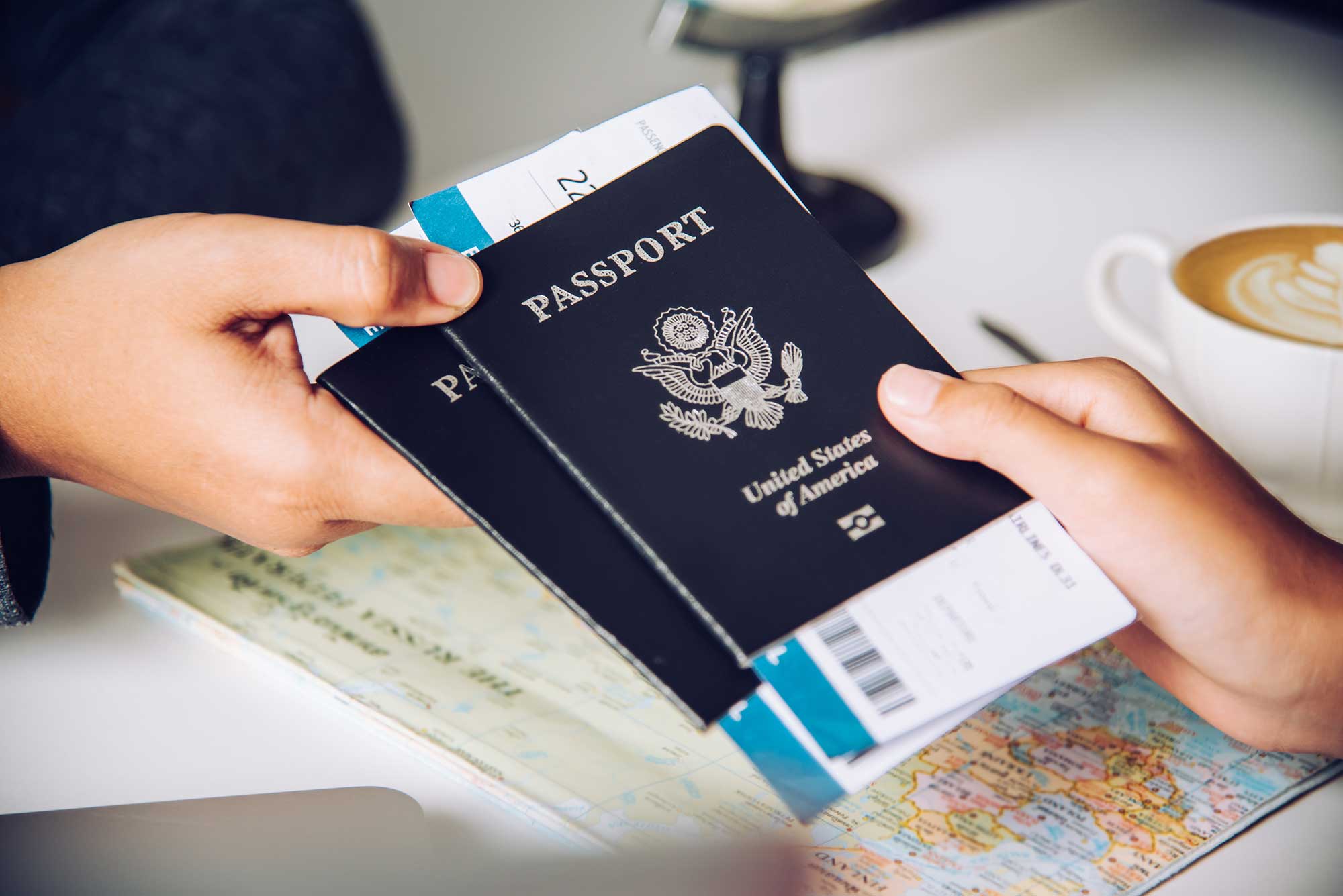
Heading to British institutions? The application process usually kicks off once the hosting university issues out a formal invitation letter. This document works as foundational proof that the visit has legitimate academic purpose. Applicants who apply for a UK academic visitor visa need to prove that their stay fits within the permitted timeframes, that they’ve got enough money supporting themselves without tapping public resources, and that they’re planning on heading home once the programme finishes. The sponsoring institution usually hands over detailed guidance on what documentation is required, but responsibility lands on the individual to make sure everything’s complete, accurate and submitted during the processing window that gives time for approval.
Immigration authorities examine applications super carefully, especially regarding financial capacity and connections to the home country. Bank statements, employment verification letters and proof of ongoing commitments back home all help build a convincing application. Candidates should understand that this process might take several weeks or even months, which makes starting early absolutely critical.
Managing Accommodation and Living Arrangements
While the visa process moves along, focus shifts to where and how the visiting candidate will actually live during their time there. Some host institutions throw in temporary housing through university accommodation services, which simplifies settling in quite a bit. These setups typically hand over furnished rooms or flats within walking distance of campus facilities, wiping out worries about furniture, getting utilities going and dealing with long commutes.
But availability isn’t a guarantee, especially when peak academic periods hit and demand shoots past supply. Candidates missing the application window or whose visits stretch past standard term dates might need chasing private rental options instead. This results in more complex scenarios: wrapping your head around local tenancy agreements, working through deposit requirements and checking if neighbourhoods give reasonable access to campus and necessary amenities.
Budgeting plays a major role in housing calls. Cities hosting well-known universities often demand premium rents that can really squeeze allocated funding. Visiting candidates should grab clear guidance from their host institution about typical costs and realistic expectations for different areas. Some go hunting for sharing arrangements with other visiting students or postgrad students, which cuts expenses while maintaining ready-made social connections in an unfamiliar place.
Coordinating Financial Matters and Healthcare Coverage
Academic visits usually pull funding from multiple sources: home institution support, host institution provisions, grant money or personal resources. Getting clarity on exactly what expenses get covered, how reimbursements operate and what out-of-pocket costs to expect takes careful back-and-forth with all relevant parties. Some programmes hand out stipends or per diem allowances; others pay back actual expenses once receipts come in.
Opening a local bank account makes financial transactions smoother during an extended stay, though this often demands proof of address that might not be available immediately. Plenty of visitors lean on their home country accounts and credit cards initially, eating foreign transaction fees as a temporary hassle. Healthcare stands as another critical piece that can’t be pushed aside. Visiting academics need ensuring they’ve got solid medical coverage throughout their stay.

Preparing for Academic Integration and Cultural Adjustment
Past the bureaucratic necessities, successful visits need thoughtful prep for the academic and cultural environment waiting for the visitor. Digging into the host department’s structure, key people and ongoing projects lets visiting scholars spot potential collaboration chances and figure out where their work slots into the bigger research picture. Reaching out to designated contacts before landing can build valuable connections and clear up practical stuff like office space, library access and IT resources.
Cultural differences in education can turn out surprisingly significant in ways nobody sees coming. Expectations around meeting behaviour, communication styles, teaching methods and research approaches shift across institutions and national settings. Visiting scholars gain from tackling these differences with curiosity instead of criticism, recognising that unfamiliar practices often mirror different but equally solid academic traditions.
Practical Preparations for Daily Life
Daily living logistics in a new spot reach past housing and money to cover transportation, communication and basic navigation of unfamiliar systems. Getting a handle on local public transport networks, obtaining necessary passes or cards and pinpointing reliable routes between home and campus cuts down daily stress and time waste.
The road from invitation to arrival eats up significant effort and focus across multiple areas at once. But this investment delivers throughout the visit, building a stable base needed for meaningful academic work. Scholars tackling these logistics methodically, grabbing guidance when they need it and leaving enough time for each stage ends up providing better results when it comes to international opportunities.