

Honest Tips for Finding Ethical Wildlife Tourism in Northern Thailand
Thailand is a bucket-list destination for many solo female travellers. It offers an incredible mix of vibrant street life, ancient temples, and lush tropical jungles. Building a well-rounded and safe itinerary is key to enjoying your journey without burning out or feeling overwhelmed by the bustling cities. A smart strategy is to start by consulting trusted solo female travel resources to build a confident route from the capital before making your way up to the mountainous north. Taking a few days to adjust to the local pace allows you to fully appreciate the serene nature-focused experiences waiting in Northern Thailand, particularly its unforgettable wildlife encounters.
However, navigating the myriad of animal-related attractions requires a highly discerning eye. As modern travellers become more conscientious, knowing how to identify a genuinely ethical elephant care program is essential. The line between true conservation and tourist traps can sometimes be blurred by clever marketing. Ensuring your trip is both empowering and culturally respectful means looking closely at where your money goes, and choosing venues that align with your personal values and the broader goals of animal welfare.
Understanding the Shift in Animal Encounters
For decades, tourist itineraries across Southeast Asia were heavily dominated by exploitative animal attractions, where entertainment took precedence over animal health. Fortunately, global awareness has shifted dramatically in recent years. Today, conscientious travellers understand that true wildlife appreciation involves observing animals in a natural setting rather than using them for cheap entertainment. This evolution is particularly relevant when it comes to the majestic Asian elephant, an animal deeply revered in Thai culture but historically exploited for heavy logging work and mass tourism.
Research from leading conservation charities highlights the critical importance of observing natural habits. According to World Animal Protection’s elephant-friendly tourist guide, elephants in the wild spend their days roaming long distances, grazing, and socialising with other elephants, rather than being confined in small enclosures or forced to perform unnatural tricks. Recognising these natural behaviours is the fundamental first step in identifying which venues truly prioritise animal welfare over sheer profit. When an animal is allowed to express its natural instincts, its overall health and longevity increase significantly.
The Role of Community-Led Conservation
Ethical wildlife tourism in Northern Thailand does not just benefit the animals. It also plays a vital role in supporting indigenous populations in the region. Many of the most reputable sanctuaries are operated in direct partnership with local Karen communities, who have lived alongside these gentle giants for generations. Their deep understanding of the forest ecosystem and the animals’ dietary needs makes them uniquely qualified to lead ethical rehabilitation projects.
By directing your tourist dollars towards community-run sanctuary experiences, you ensure that the financial benefits directly support both animal welfare and the indigenous caretakers. These community initiatives often focus on sustainable farming to grow the massive amounts of food required to feed the herds, while also providing fair wages for local mahouts (caretakers). When you choose a venue that respects both its animals and its staff, your visit becomes a powerful force for regional conservation and economic empowerment.
How to Spot a Genuine Eco-Sanctuary
With the steady rise of eco-tourism, many commercial camps have simply rebranded themselves as “sanctuaries” or “rescue centres” without actually changing their daily practices. This deceptive greenwashing makes independent research incredibly important before you book any wildlife encounter. When evaluating potential places to visit in Chiang Mai or the surrounding provinces, you should look for a few non-negotiable standards that distinguish authentic conservation projects from profit-driven attractions.
- A strict hands-off or highly regulated approach: Ethical venues do not offer riding under any circumstances. An elephant’s spine is not anatomically designed to carry heavy wooden seats or multiple passengers all day, and the training process for riding is notoriously cruel.
- No forced performances: If the animals are painting pictures, playing football, or performing tricks for an audience, the venue is operating as a circus rather than a sanctuary.
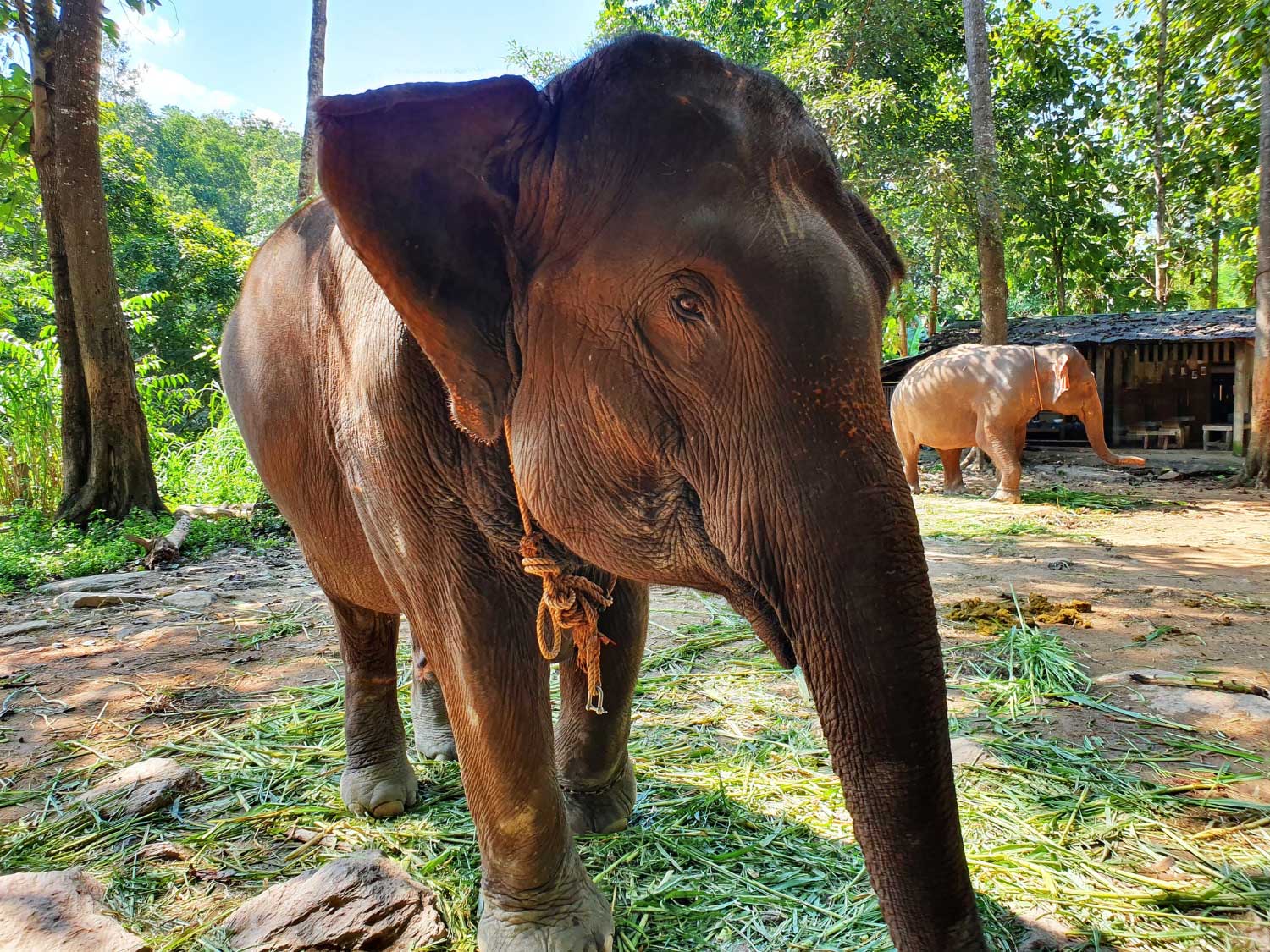
- Freedom to roam and forage: Animals should have vast jungle environments where they can forage, bathe in rivers, and interact with their herd at their own pace, rather than being chained to wooden posts.
- Total transparency: Genuine organisations are open about where their animals come from. They usually rescue them from the harsh logging industry or abusive tourism camps and are happy to share their ongoing rehabilitation stories with visitors.
Making Responsible Choices as a Solo Traveller
Travelling solo gives you the ultimate freedom to design an itinerary that aligns perfectly with your personal values. While it might be tempting to book the cheapest tour or the most heavily advertised excursion from your hostel booking desk, taking the extra time to seek out ethical wildlife experiences is incredibly rewarding. As an independent traveller, your choices send a strong message to the local tourism industry about what modern visitors actually want to see.
By asking the right questions and refusing to support exploitative venues, you are actively helping to phase out cruel practices across the country. The joy of watching an elephant peacefully graze in the jungle or splash in a natural mud bath far outweighs the fleeting thrill of an unnatural photo opportunity. Thoughtful travel decisions allow you to leave a positive footprint, ensuring that these incredible animals and the local communities that protect them can thrive for generations to come.