

Iceland for Solo Travellers:
Safer, Simpler and Easier to Plan Than You'd Think
Iceland tends to sit on the “someday” list for a lot of solo travellers. The photos look unreal, but the questions pile up fast. Is it safe to drive alone in a country where the weather changes by the hour? Will it cost a small fortune? And what do you actually do with yourself on a long, dark winter evening when you’re the only one at the table?
The short version is that Iceland is one of the easier places in the world to travel solo, once you’ve made a few decisions early. It consistently ranks at or near the top of the Global Peace Index, English is spoken almost everywhere, tap water is safe and the capital is compact enough to walk. The hard part isn’t the country. It’s the planning, and that’s where most solo travellers either overspend or talk themselves out of going.
If you’d rather not build the whole trip from scratch, Iceland travel packages are a sensible middle ground for a first visit. A good one covers the flights, a comfortable base in Reykjavik and a handful of small group tours, which is exactly the kind of structure that takes the pressure off when you’re travelling alone. You still get plenty of free time, but you’re not standing at a bus stop wondering how to reach a waterfall that has no public transport at all.
Safety Is Mostly About Weather, Not People
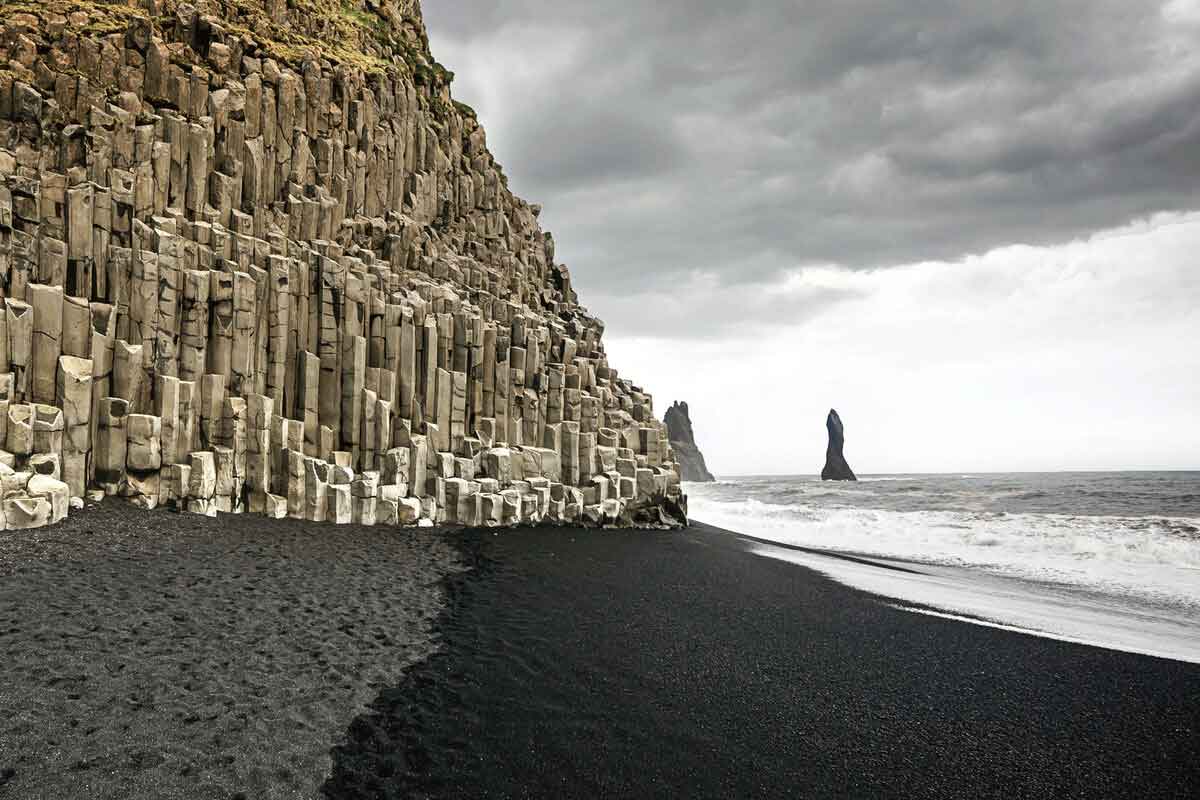
For solo travellers, the real risks in Iceland are natural rather than social. Crime is low and Reykjavik feels relaxed at night, but the weather is serious. Roads can close with very little warning, wind can rip a car door out of your hand, and the sneaker waves at Reynisfjara black sand beach have caught out plenty of visitors who stood too close to the water.
Three habits cover most of it. Check road and weather conditions every morning on road.is and vedur.is before you drive anywhere. Register your plans on safetravel.is, which is a free service run by the Icelandic search and rescue association, so someone knows where you are if things go sideways. And save 112 in your phone, the national emergency number. None of this is dramatic. It’s the same quiet preparation locals do themselves.

Booking It on Short Notice
One thing the “someday” crowd often misses is how flexible Iceland can be. If your calendar suddenly opens up, last minute vacation deals to Iceland turn up more often than you’d expect, especially in the shoulder months either side of summer when demand softens but the country is still fully open. For a solo traveller that’s a real advantage. You don’t need to coordinate dates with anyone, so you can move the moment a good fare appears.
The catch is that late booking narrows your choices. Popular tours, lagoon time slots and the better guesthouses fill up first, so it helps to decide your two or three non-negotiables before you start searching. Specialist providers like Travelodeal are useful here because they let you compare flight and hotel combinations in one place rather than juggling a dozen tabs the night before departure.
When to Go
Summer, roughly June to August, gives you the midnight sun, open mountain roads and the easiest driving. It also gives you the biggest crowds and the highest prices. If you’re nervous about driving alone, this is the safest window to try it, since daylight stretches late and conditions are at their most predictable.
Winter is the season for northern lights, ice caves and a quieter country, with the aurora visible from around September through April when the skies cooperate. Daylight shrinks to just a few hours in December, which sounds daunting but suits solo travel in a particular way. Evenings become slow and cosy, built around geothermal pools, good food and long conversations with fellow guests. Just plan your driving for the middle of the day and don’t expect to cover big distances.
The sweet spot for many first timers is the shoulder season, May or September, when you get usable daylight, lower prices and a fair chance at both green skies and green hills.
How to Shape Your Days
Five to seven days is a comfortable length for a first trip alone. Start in Reykjavik for a night or two so you can shake off the flight and get your bearings on foot. The harbour, the Hallgrimskirkja church and the cafes along Laugavegur are all walkable, and it’s an easy city to eat out in solo without feeling conspicuous.
From there, the Golden Circle is the obvious first day trip, covering Thingvellir National Park, the Geysir geothermal area and Gullfoss waterfall. The south coast comes next, with Seljalandsfoss and Skogafoss waterfalls and the black sand beach near Vik. If you have a few extra days, the glacier lagoon at Jokulsarlon on the southeast coast is worth the long drive, though it’s better split over an overnight stay than rushed in a day.
Leave at least one day empty. Solo trips work best when there’s room to follow a recommendation from a guesthouse host or stay an extra hour in a lagoon because you simply don’t want to leave.
Getting Around Without Stress
You have three realistic options, and the right one depends on your comfort level and season.
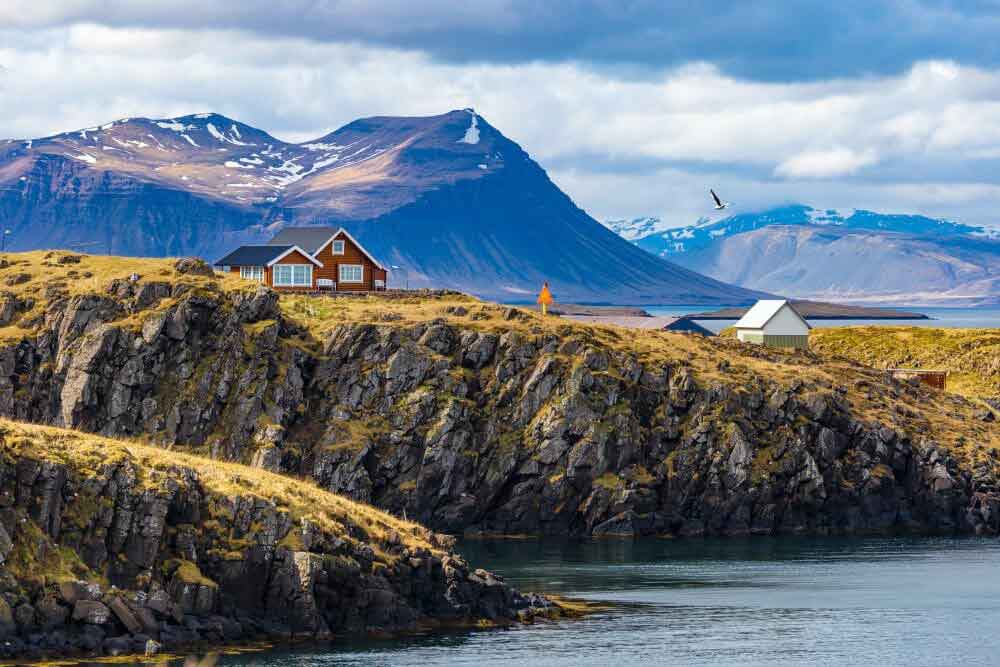
A rental car gives the most freedom and is perfectly manageable in summer on the main Ring Road. Choose a 4×4 if you’re travelling outside summer, and note that the mountain F roads are only open for a short window and need a proper 4×4 regardless. Read the insurance terms carefully, since gravel and sand damage is often excluded unless you add specific cover.
Small group day tours from Reykjavik are the easiest way to see the big sights without driving. They also double as an easy way to meet people, which matters when you’re travelling alone. Most groups are a dozen or so people, and conversations start naturally on the bus.
The third option is a mix. Base yourself in Reykjavik, book two or three guided excursions for the harder to reach places and use your free days for the city, the pools and slow wandering. For a lot of solo travellers this ends up being the most relaxed version of the trip.
Where to Stay
Reykjavik has everything from hostels with private rooms to small boutique hotels, and the central neighbourhoods are comfortable to walk around after dark. Guesthouses and farm stays outside the city are often the highlight, since many have shared kitchens, hot tubs and hosts who happily share local tips. Staying somewhere with a communal space makes it easy to find company without any pressure to socialise.
If you’re driving the Ring Road, book your country early even if everything else is flexible. Options in the east and south are limited, and the good ones go quickly in summer.
Make the Pools Your Social Life
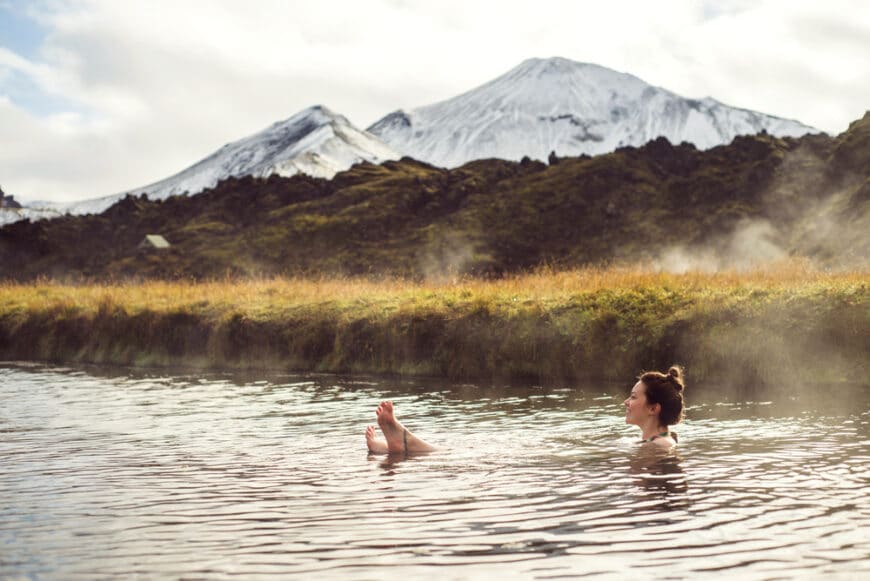
Icelandic geothermal pools are a national habit, and the local ones are an easy, inexpensive way to feel part of the place. Most towns have one, and the rules are simple: shower without your swimsuit before getting in, which is a standard hygiene rule that everyone follows. Do it once and the awkwardness disappears.
For something more indulgent, Sky Lagoon in Reykjavik and the Secret Lagoon near Fludir are both relaxing places to spend an afternoon alone. Book popular lagoons in advance, since slots can sell out, particularly for evening entry.
What to Pack
Layers matter more than any single piece of gear. Pack a thermal base layer, a warm mid layer and a good waterproof shell, plus sturdy waterproof boots for wet rock and gravel. Bring a swimsuit regardless of season, a small daypack and a portable charger, since cold drains phone batteries quickly. A reusable water bottle is worthwhile too, because the tap water is excellent.
For winter, add gloves, a warm hat that covers your ears and a headlamp for walking back from northern lights spots. In summer, an eye mask helps more than you’d think when the sun barely sets.
A Trip That Fits Whoever You Are
Iceland rewards solo travellers who plan the practical parts early and then leave space for everything else. Sort your transport, check the weather daily, pick a base or two you feel comfortable in and let the country do the rest. Whether you go with a packaged structure or build it yourself, you’ll likely come home with that particular kind of confidence that only comes from doing something that once felt a bit too big.