

Imperial Hearts of Central Europe:
Seasonal Itineraries Beyond Vienna
A Region Where Every Season Tells a Different Story
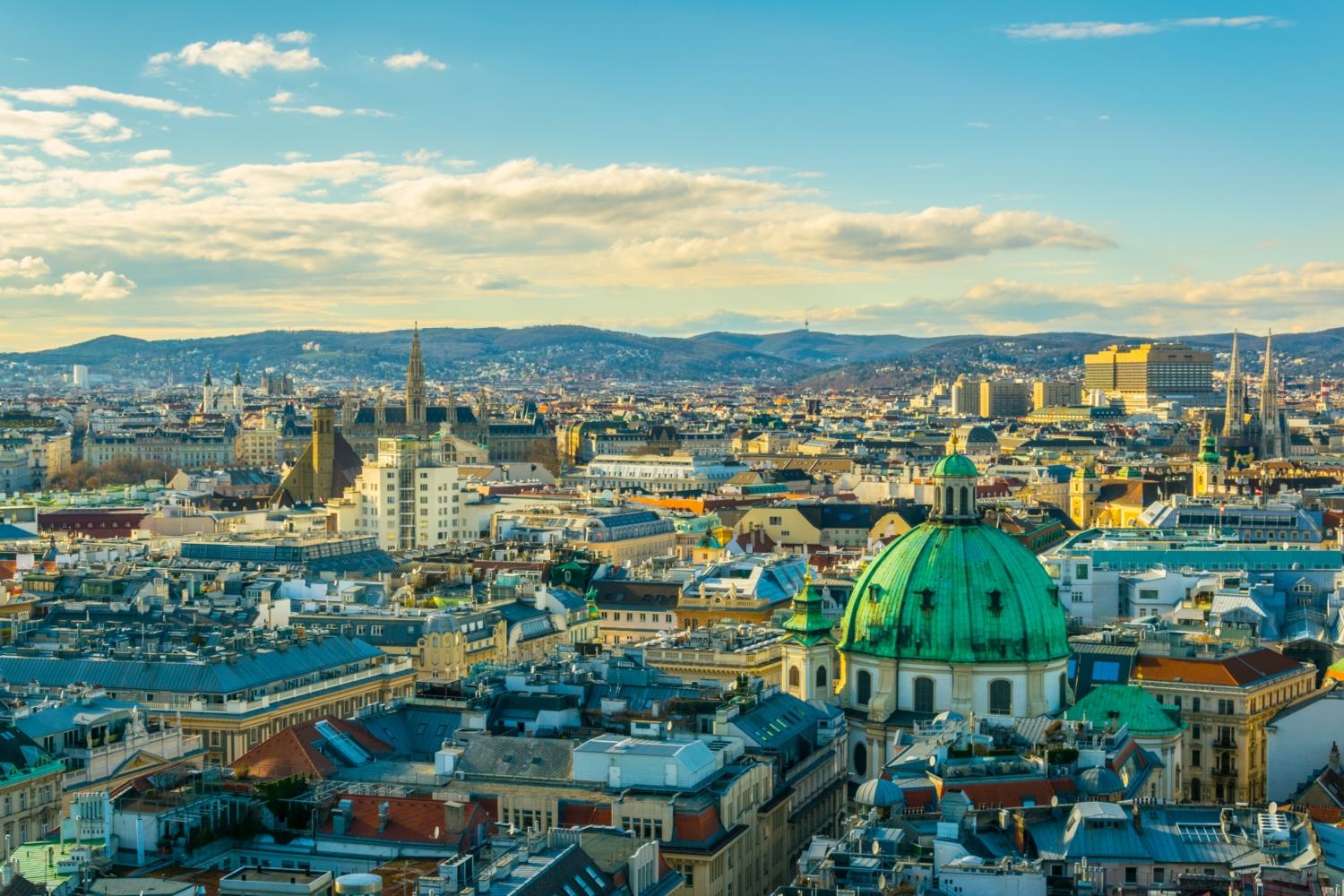
Central Europe changes character with remarkable ease throughout the year. Spring fills palace gardens with colour, summer brings open-air concerts to historic squares, autumn paints vineyards in shades of gold, and winter transforms grand capitals into festive landscapes illuminated by thousands of lights. At the heart of it all sits Vienna, a city whose elegant avenues and imperial landmarks make it an ideal starting point for discovering neighbouring countries.
Travelling beyond Austria’s capital reveals a collection of destinations linked by centuries of shared history, each preserving its own traditions while remaining closely connected through efficient rail networks and cultural exchange.
Vienna's Elegant Legacy
Vienna has long been associated with music, architecture and imperial grandeur. Walking along the Ringstrasse reveals magnificent public buildings, museums and theatres that reflect the ambitions of the Habsburg Empire, while quieter streets uncover neighbourhood cafés where daily routines have changed little over generations.
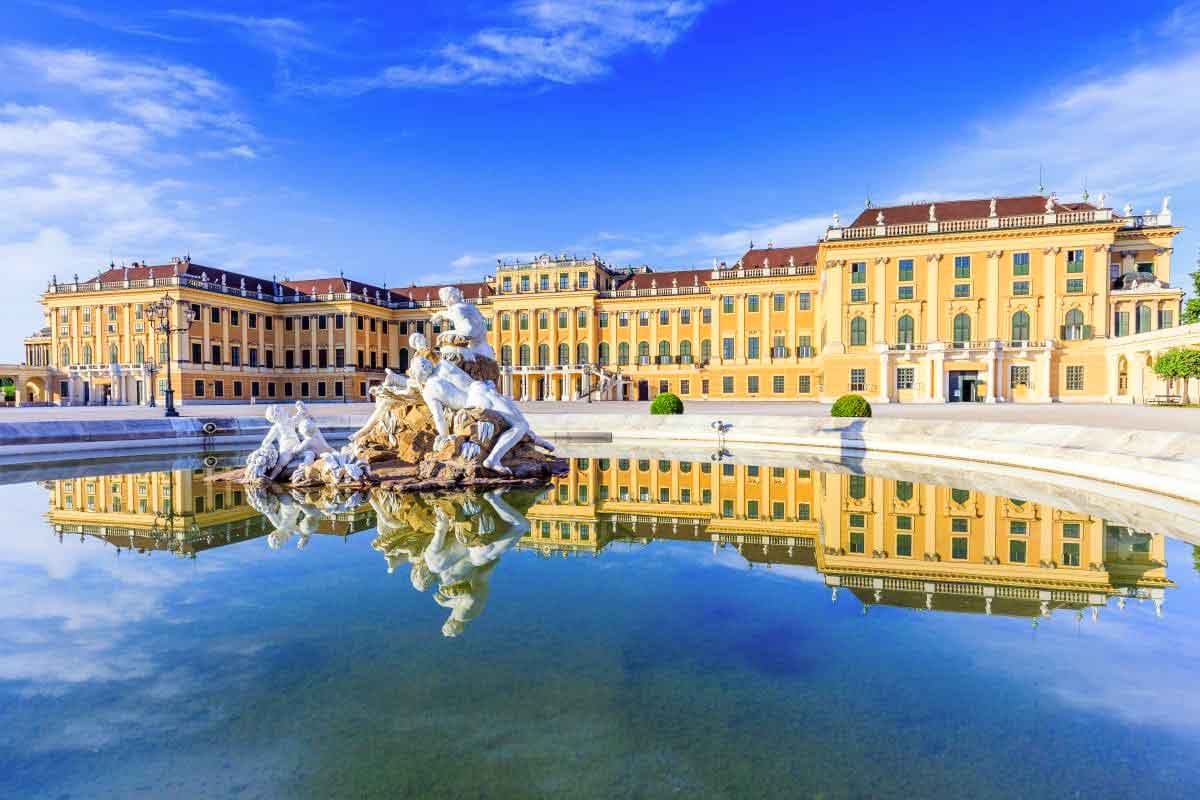
Schönbrunn Palace remains one of the city’s defining landmarks, its gardens providing a peaceful retreat that shifts dramatically with the seasons. In spring, flower beds burst into colour, while autumn fills tree-lined avenues with amber leaves that complement the palace’s golden façade.
Coffee houses remain central to Viennese life, offering spaces where conversation unfolds at an unhurried pace beneath chandeliers and marble columns.
Prague's Fairytale Skyline
From Vienna, one of the most rewarding journeys leads north. The train from Vienna to Prague passes through rolling countryside, vineyard regions and quiet towns before arriving in one of Europe’s most captivating capitals.
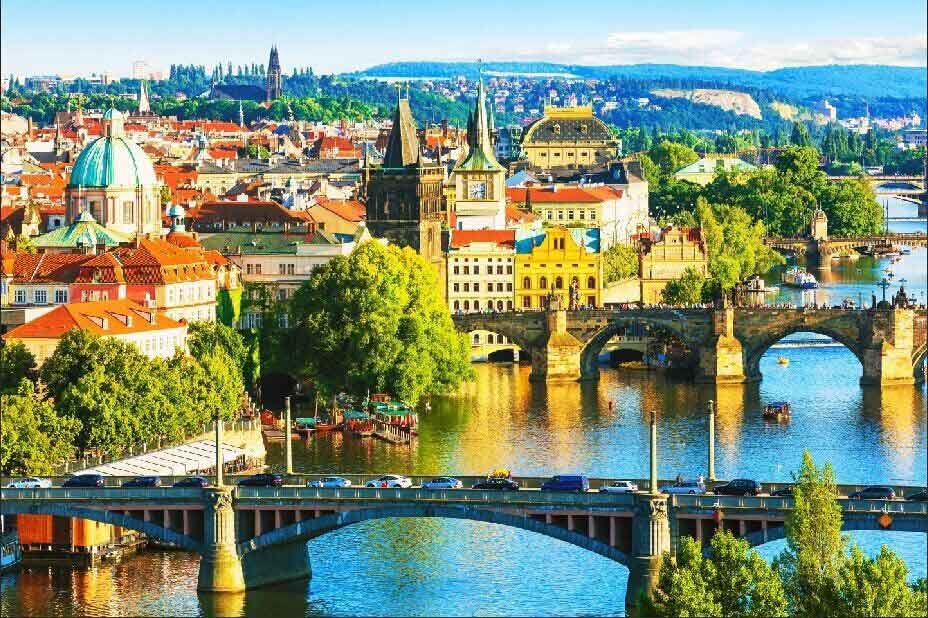
Prague’s skyline appears almost untouched by time. Gothic church spires, Baroque domes and the towers of Prague Castle rise above the Vltava River, while Charles Bridge connects both sides of the city with a procession of statues that have watched over travellers for centuries.
Morning is often the best time to explore the Old Town, when cobbled streets remain peaceful and the city’s architectural details are illuminated by soft light before the busiest hours begin.
Budapest Across the Danube
Heading east presents another remarkable contrast. The Vienna to Budapest train follows a comfortable route between two former imperial capitals, linking cities that once played central roles within the same empire yet developed distinctly different personalities.
Budapest unfolds across both sides of the Danube. Buda rises over the river with its castle district and historic streets, while Pest offers grand boulevards, cafés and vibrant public squares filled with daily activity.
The Hungarian Parliament Building dominates the waterfront, particularly after sunset when its illuminated façade reflects across the river, creating one of Central Europe’s most memorable city views.
Spring Gardens and Palace Grounds
Spring introduces some of the region’s most beautiful scenery. Vienna’s palace gardens begin to bloom, Prague’s riverside parks fill with flowering trees, and Budapest’s green spaces become gathering places after the colder months.
Walking through these gardens offers a quieter perspective on cities often celebrated for monumental architecture. Carefully designed landscapes soften grand buildings, creating places where residents relax, read or simply enjoy the changing season.
Botanical gardens, public parks and riverside promenades reveal how nature has always been woven into urban planning across the region.
Summer Festivals and Open-Air Evenings
Long summer evenings bring a different atmosphere to Central Europe’s capitals. Outdoor concerts fill palace courtyards, film screenings appear in public squares and café terraces remain busy until late into the night.
Vienna celebrates its musical heritage through performances ranging from classical orchestras to contemporary artists. Prague’s historic centre becomes a stage for street musicians, while Budapest’s riverbanks attract locals enjoying warm evenings beside the Danube.
The extended daylight encourages slow exploration, making riverside walks and evening architecture tours especially rewarding.
Autumn Colours Along Historic Streets
Autumn transforms Central Europe into a landscape of copper, crimson and gold. Vineyards surrounding Vienna reach harvest season, while parks in Prague and Budapest become filled with colourful foliage.
Markets begin offering seasonal produce, roasted chestnuts and regional specialities that reflect centuries-old culinary traditions. Cooler temperatures also make walking particularly enjoyable, allowing visitors to explore castle districts, museums and historic neighbourhoods without the crowds often associated with summer.
The softer light of autumn enhances the region’s architecture, highlighting stone façades and ornate details with remarkable clarity.
Winter Markets and Festive Traditions
Winter introduces an entirely different character. Christmas markets appear across city squares, decorated with wooden stalls selling handmade crafts, seasonal sweets and warm drinks scented with cinnamon and spices.
Vienna’s Rathausplatz hosts one of Europe’s most celebrated festive markets, while Prague and Budapest each create their own distinctive seasonal atmosphere through music, decorations and traditional cuisine.
Snow, when it arrives, adds another layer of charm to palace gardens, church towers and riverside streets, creating scenes that feel almost cinematic.
A Journey Through Europe's Imperial Landscape
Vienna, Prague and Budapest each preserve remarkable architectural heritage while offering experiences shaped by changing seasons rather than fixed itineraries. Their palaces, bridges, cafés and public squares reveal different personalities throughout the year, rewarding travellers who take time to observe beyond the major landmarks.
Together, these cities tell the story of a region connected by history yet defined by its diversity. Whether visited during the blossoms of spring, the warmth of summer, the colours of autumn or the quiet elegance of winter, Central Europe’s imperial capitals continue to offer journeys rich in atmosphere, culture and enduring beauty.