

Japan for First-Time Visitors:
Everything You Need to Plan the Perfect Trip
Japan has ranked in the top five most-visited countries in Asia for over a decade, and the demand shows no sign of slowing. For first-time visitors, Japan delivers one of the most distinct travel experiences in the world — a place where ancient temples and ultra-modern cities share the same neighbourhood, where a meal at a local ramen shop can be as memorable as any fine dining experience, and where the attention to detail in everyday life leaves most visitors quietly astonished.
This Japan first time visitors guide covers everything you need to plan your trip to Japan: when to go, what to see, how to get around, what to budget, and how to decide between travelling independently or joining a guided tour.
Best Time to Visit Japan
Season matters enormously in Japan, more so than in most destinations. Here is a practical breakdown:
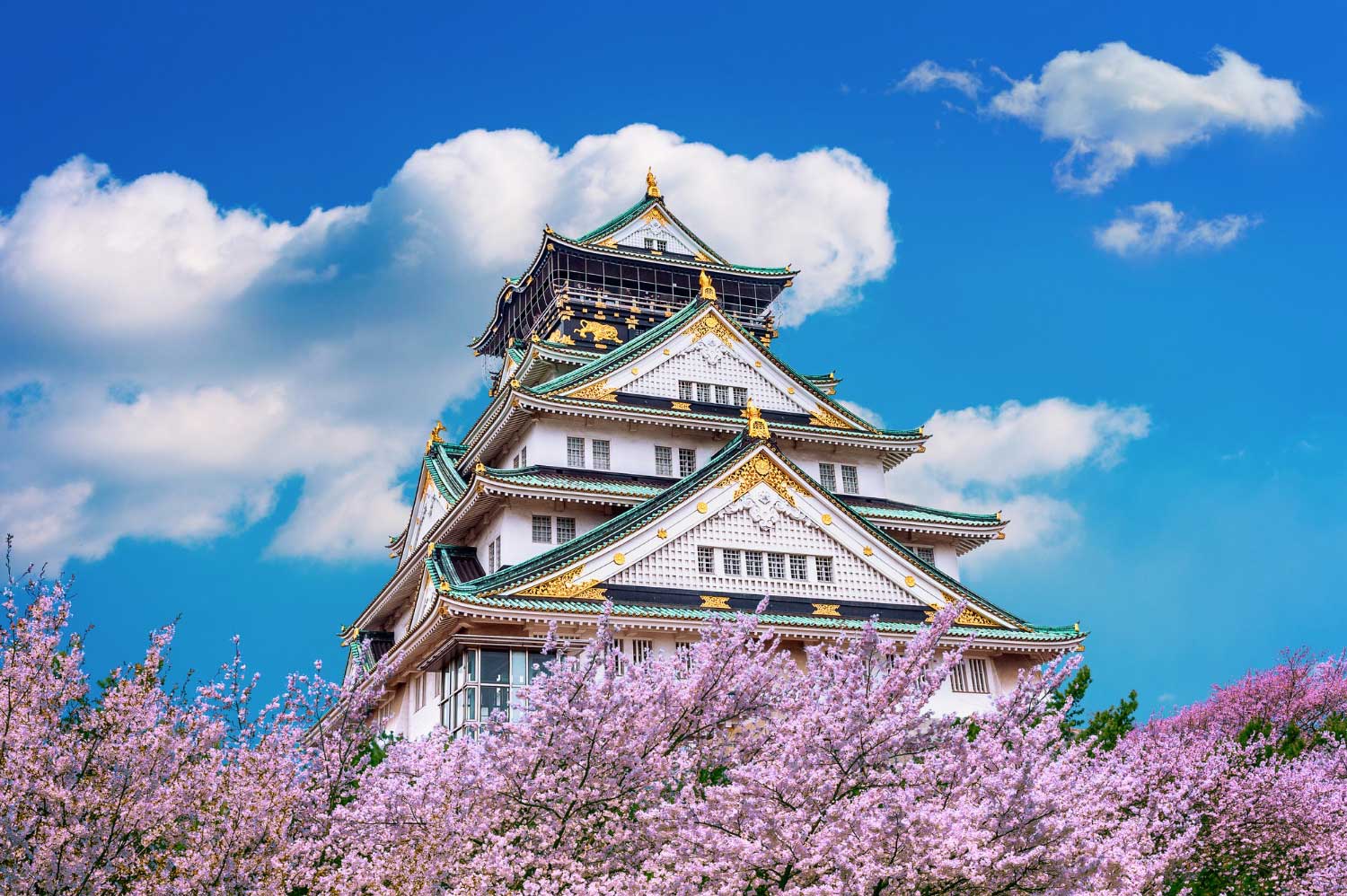
- Spring (late March to early May): Cherry blossom season makes this the most visually spectacular time to visit Japan. Temperatures are mild, the parks and gardens are spectacular, and the entire country feels alive. Book accommodation at least six months in advance — this is peak season and popular properties sell out early.
- Autumn (October to November): A close second to spring for many experienced Japan travellers. Foliage colours across Kyoto, Nikko, and the Japanese Alps are stunning, crowds are slightly more manageable than spring, and temperatures are ideal for extended walking itineraries.
- Summer (June to August): Hot, humid, and punctuated by the rainy season (tsuyu) in June and early July. Japan’s summer festivals, including the spectacular Obon celebrations in August, are genuinely worth experiencing. Accommodation is generally easier to book than in peak seasons.
- Winter (December to February): Far fewer international tourists, which means better access to popular temples and shrines. Hokkaido’s ski resorts enter their prime season. Cities are decorated for the holiday season and the contrast of snow-covered temple rooftops is visually magnificent.
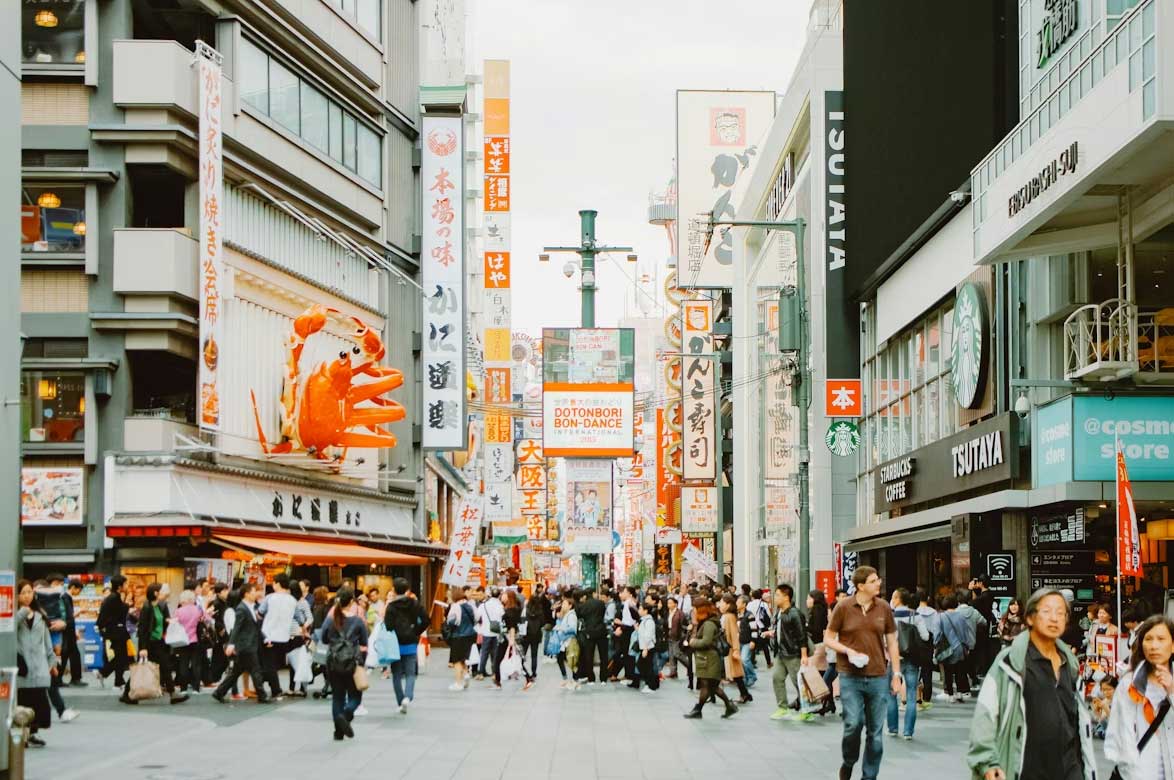
The Classic First-Timer Route: Tokyo, Kyoto, and Osaka
Kyoto, and Osaka. This route is popular for good reason — it covers the full spectrum of Japan, from the relentless urban energy of Tokyo to the centuries-old temples and geisha districts of Kyoto, to the street food culture and merchant-city spirit of Osaka.
What most first-timers get out of each city:
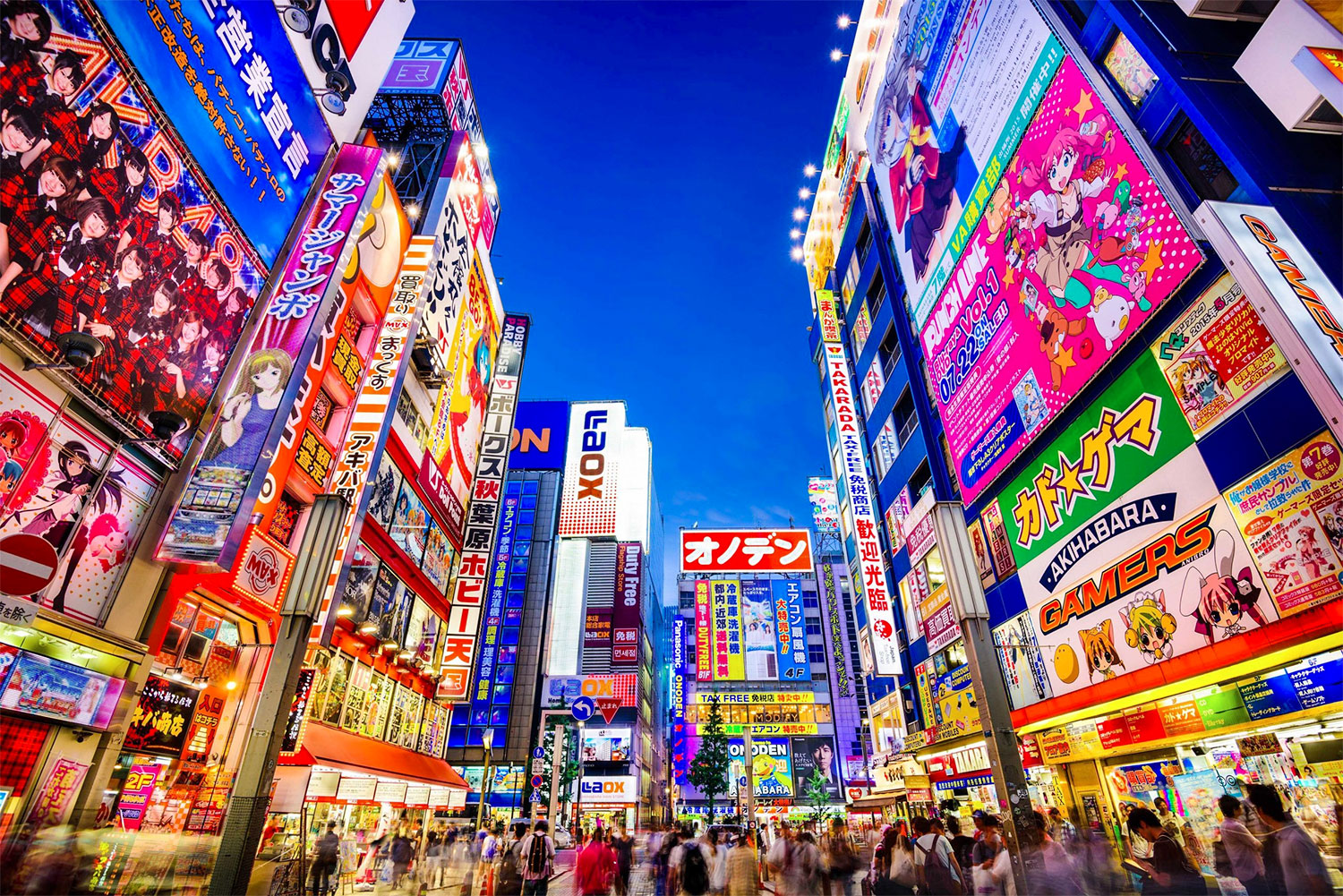
- Tokyo (3 to 4 days minimum): Shibuya, Shinjuku, Asakusa, Harajuku, Tsukiji outer market, teamLab borderless digital art museum, day trips to Nikko or Kamakura. Tokyo is a city that rewards walking with no agenda as much as structured sightseeing.
- Kyoto (3 days minimum): Fushimi Inari Taisha, Arashiyama bamboo grove, Kinkakuji (Golden Pavilion), Gion district at dusk, Nishiki Market, the philosopher’s path in autumn. Day trip to Nara to see free-roaming deer and the Todaiji temple.
- Osaka (2 days minimum): Dotonbori, Shinsekai, Osaka Castle, Kuromon Ichiba market, and the best street food in Japan. Osaka also serves as a practical base for a day trip to Hiroshima and Miyajima Island.
Getting Around Japan
The Shinkansen is the backbone of long-distance travel in Japan. The Tokyo to Kyoto journey takes approximately two hours and fifteen minutes — faster, more comfortable, and often more practical than flying. The JR Pass, available to foreign visitors, provides unlimited Shinkansen travel for a fixed period and is generally cost-effective if you are visiting three or more cities.
For urban transport, an IC card (Suica or Pasmo) is essential. It works on subway systems, buses, and local trains across Japan, and can also be used to pay in convenience stores and vending machines. Load it at any major station on arrival.
Pocket WiFi rental is strongly recommended for navigation, real-time translation, and looking up local restaurants. Available to collect at major international airports on arrival.
What to Budget for Japan
stay in well-regarded budget hostels, and use public transport can cover Japan comfortably on $80 to $100 USD per day. A mid-range traveller eating at local restaurants, staying in business hotels, and doing paid attractions lands at $150 to $200 USD per day. Luxury is unlimited.
The most significant costs to plan for:
- Accommodation in Tokyo during peak cherry blossom season books out fast and commands premium pricing. Book early.
- The JR Pass for 14 days currently costs approximately $500 USD. Calculate your specific routes before purchasing to confirm value.
- Paid attractions are generally very reasonable — most temples charge $4 to $8 USD entry. Budget a small amount per day for shrines and museums.
Independent Travel vs. Guided Tours: Which Is Right for You?
Japan is entirely manageable for confident independent travellers, particularly those with prior experience in Asia. The transport infrastructure is excellent, English signage is widespread in tourist areas, and booking restaurants and accommodation online has become straightforward.
That said, independent travel in Japan has a significant learning curve that catches first-timers off guard. Common pitfalls include underestimating transit times between attractions, missing lesser-known experiences that only locals know, and losing days to planning and replanning rather than actually travelling.
For first-time visitors who want to maximise their trip without the guesswork, a structured tour makes a strong case for itself. It is worth reading through what a well-designed set of Japan guided tours for first-time visitors covers — the itinerary design, the insider access, and the kind of local knowledge that takes years to build independently. For many travellers, it is the difference between a good trip and a genuinely transformative one.
Essential Japan Travel Tips
- Remove your shoes when entering ryokans, traditional guesthouses, and many local homes. Look for the raised entrance (genkan) as your cue.
- Eat at convenience stores without guilt — 7-Eleven, Lawson, and FamilyMart in Japan stock genuinely excellent food at very low prices.
- Book popular restaurants in advance, especially ramen shops and sushi restaurants with strong reputations. Some require reservations weeks ahead.
- Be quiet on public transport. Japan’s transit etiquette means no phone calls, no loud conversations, and phones on silent. Observe, follow, appreciate.
- Carry a small bag for rubbish. Public bins are rare in Japan — a quirk left over from post-terrorist-attack security measures. Travellers who know this do not end up carrying empty plastic bottles for half a day.
- Start your mornings early. Popular temples and shrines are manageable at 7am and genuinely overcrowded by 10am. This single habit transforms the experience at major sites.
Final Thoughts
Japan rewards preparation. The travellers who come back talking about it for years are almost always the ones who went in with a plan, gave themselves enough time, and engaged with the country beyond the obvious tourist checklist. It is a destination that reveals itself in layers — and the more you understand before you arrive, the more you get out of every single day.
Plan for spring or autumn, allocate at least ten days, and approach Japan with genuine curiosity. You will not regret it.