

Luxury Safari Packing List - What to Bring for Fly-In Camps and Luggage Limits
Preparing for a Fly-In Safari
Planning an African safari is an exciting process, but packing for it requires careful thought. Flying into remote wilderness areas means you will board small light aircraft to reach your destination. These scenic flights offer spectacular aerial views of the landscape, taking you far away from crowded cities and into untouched habitats. At SAFARI FRANK, we guide travelers through every step of their preparation. Knowing exactly what to pack ensures a seamless transition from the international airport to the deep bush. The restrictions on bush flights are strict, meaning every item in your bag must serve a distinct purpose.
A well-planned packing strategy eliminates stress at the departure hangar. You can focus entirely on the upcoming wildlife sightings instead of worrying about overweight baggage fees or repacking your items on the tarmac.
Rules for Light Aircraft Luggage Limits
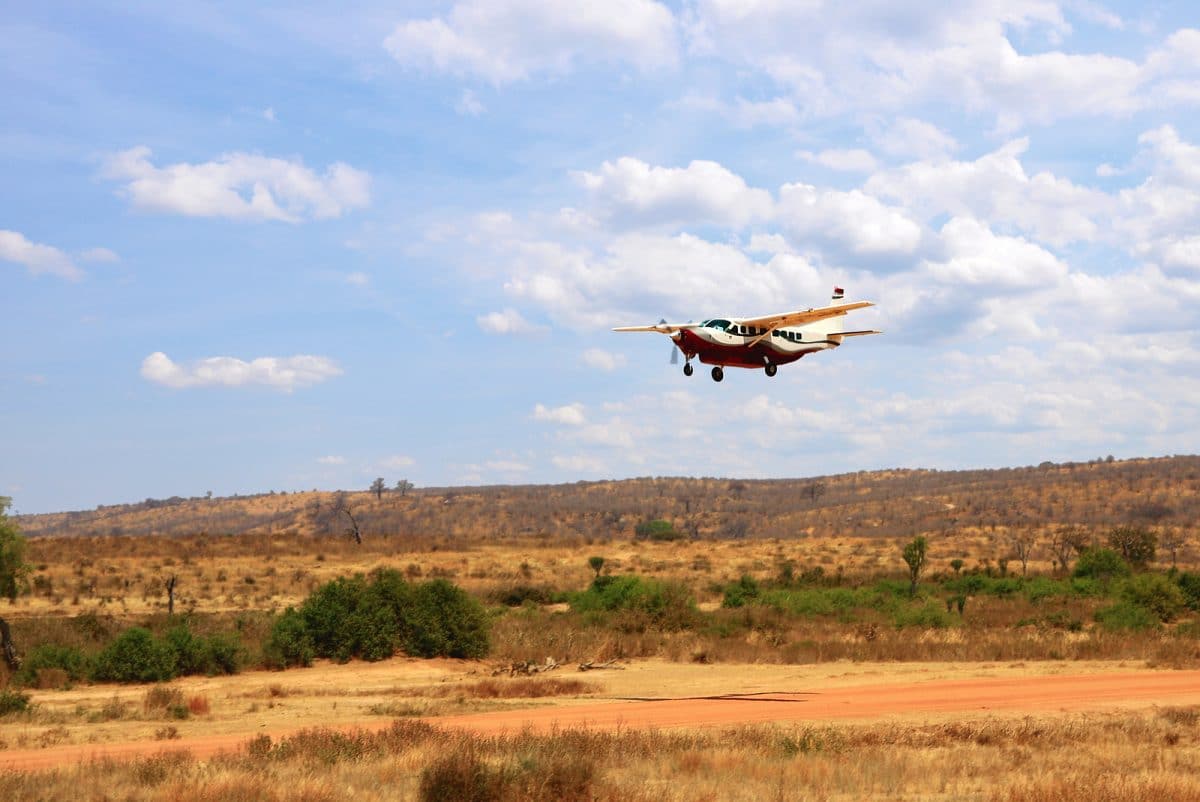
Most fly-in safaris use small planes like the Cessna Grand Caravan to transport guests between remote airstrips. These aircraft have limited cargo space and strict weight capacities. Pilots must balance the weight of passengers, fuel, and baggage to ensure a safe flight. Because of these safety regulations, luggage limits are strictly enforced by the charter companies.
Weight limits typically range between 15 and 20 kilograms (33 to 44 pounds) per person. This allowance includes both your checked bag and your hand luggage. You must pack light to stay within these parameters.
Soft-sided bags are an absolute requirement. Rigid frames, hard plastic suitcases, and bags with built-in wheels cannot fit into the compact cargo pods beneath the aircraft. A sturdy canvas or nylon duffel bag is the ideal choice. If you arrive with a hard-sided suitcase, the charter company will require you to repack your belongings into a soft bag, and you will have to leave your original suitcase behind at the hangar.
The Strategy of Layered Clothing
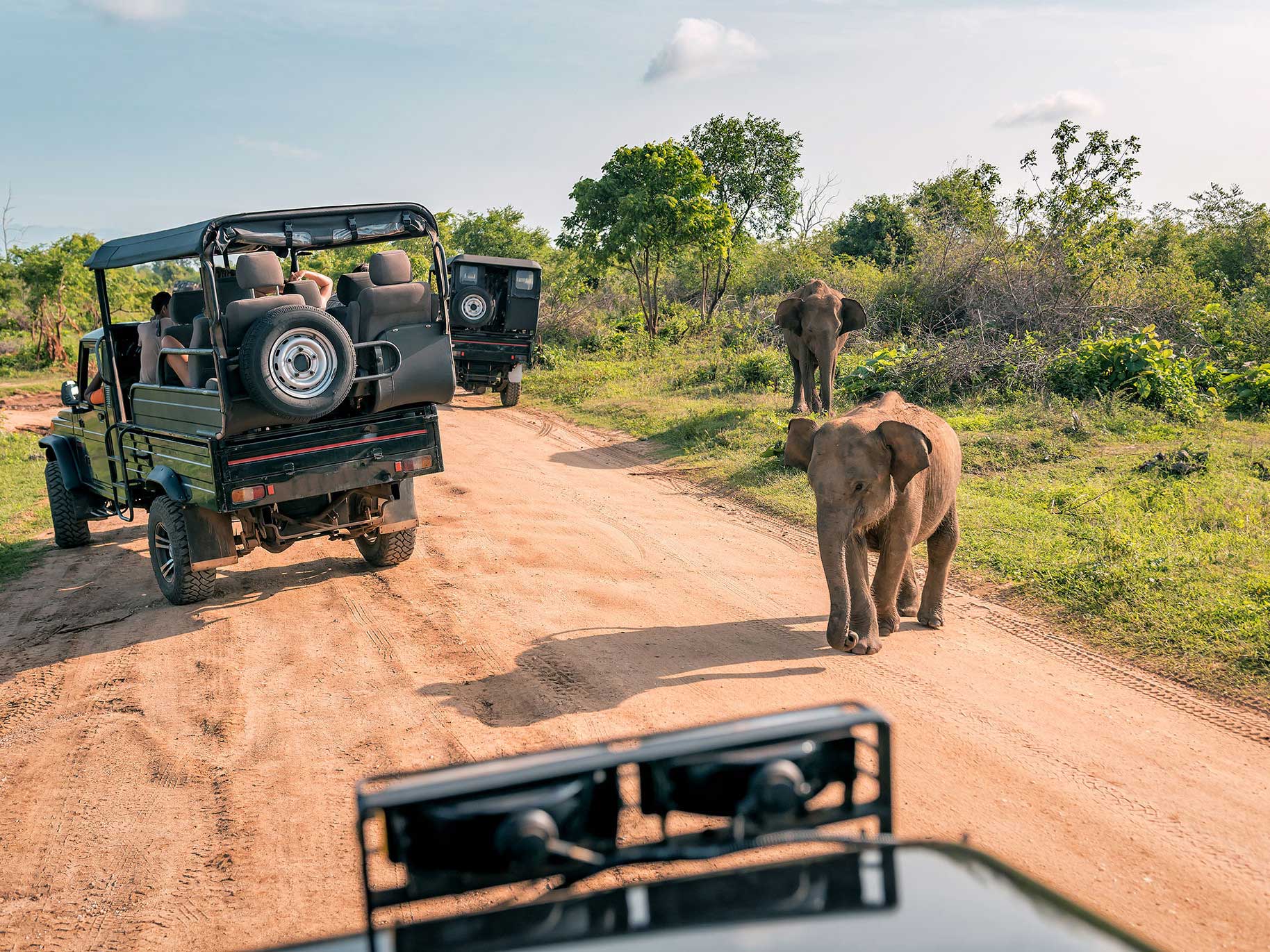
Temperatures in the African bush fluctuate dramatically throughout the day. Early morning game drives start before sunrise, and the wind chill in an open 4×4 vehicle can be freezing. By midday, the sun beats down, raising the temperature significantly. As the sun sets, the cold air returns rapidly.
Layering is the most practical approach to staying comfortable. Start with a lightweight, breathable base layer. Add a fleece or warm sweater, and top it with a windproof jacket. As the morning warms up, you can remove layers one by one.
“Packing smart means prioritizing versatile, breathable layers over bulky items,” says Frank Steenhuisen, co-founder and lead safari expert at SAFARI FRANK. “Luxury camps provide exceptional laundry services, allowing you to pack fewer items and easily stay within the weight limits of light aircraft.”

Choosing the Right Colors for the Bush
Color selection is an important part of your safari preparation. Neutral tones like khaki, olive green, and brown blend seamlessly into the environment. These shades help you remain inconspicuous to wildlife, allowing vehicles to approach animals without startling them.
Avoid bright colors like red, yellow, or neon, which stand out sharply against the natural landscape. Black and dark blue clothing attracts tsetse flies, particularly in regions like the Serengeti in Tanzania or the Okavango Delta in Botswana. These flies have a painful bite, so it is best to avoid colors that draw them in. White clothing gets dirty very quickly on dusty game drives and can also be highly visible to animals.
Essential Footwear for the Wilderness
You do not need heavy, rigid hiking boots for a standard driving safari. A pair of comfortable, closed-toe walking shoes or lightweight trail runners works perfectly. These provide enough support for short bush walks and protect your feet from thorns and uneven ground.
Bring a pair of comfortable sandals or slip-on shoes to wear around the lodge during the middle of the day. High heels and formal dress shoes are entirely unnecessary, even at top-end properties like Cheetah Plains Private Villas in South Africa or Duba Plains Camp in Botswana. The atmosphere at luxury lodges is always relaxed and grounded in nature.
Camera Gear and Optics
A high-quality pair of binoculars is the most important piece of equipment you can bring. We recommend an 8×42 or 10×42 magnification. Having your own pair means you never miss a sighting while waiting to share with someone else in the vehicle.
For photography enthusiasts, a DSLR or mirrorless camera with a telephoto lens (at least 300mm) is ideal for capturing wildlife at a distance. Remember to pack extra batteries and memory cards. Charging facilities are available at luxury camps, but power outages can occasionally happen, and you do not want to miss a great photo opportunity because of a dead battery.
Keep your heavy camera gear and binoculars in your hand luggage to protect them during transit. Soft packing cubes can help organize your cables and chargers within your duffel bag.
Toiletries and Medical Supplies
High-end accommodations supply premium shampoo, conditioner, body wash, and body lotion. You can leave these heavy liquids at home to save weight in your luggage.
You must pack your own personal medications, prescription drugs, and a basic first-aid kit. Include items like pain relievers, antihistamines, and any required antimalarial medication. A high-SPF sunscreen and SPF lip balm are absolute necessities. The African sun is harsh, and you will spend many hours outdoors.
Bring a wide-brimmed hat that covers your neck and ears. A good pair of polarized sunglasses will protect your eyes from the bright light and reduce glare, helping you spot animals hidden in the shadows.
Making the Most of Camp Laundry Services
One of the greatest benefits of staying at luxury safari properties is the complimentary daily laundry service. You can hand in your dusty clothes in the morning and have them returned clean and pressed by the evening.
This service is the secret to packing light. You only need three or four complete outfits for a safari lasting a week or more. Note that for cultural reasons, many camps in Africa do not wash personal underwear. They provide washing powder in your bathroom for you to wash these items yourself.
Packing for Specific Regions and Seasons
Your packing list will vary slightly depending on your destination and the time of year you travel.
If you are visiting the Kalahari in Botswana or Sossusvlei in Namibia during the dry winter months (June to August), nighttime temperatures can drop below freezing. A warm beanie, thick gloves, and a heavy scarf are essential for morning game drives.
For a green season safari in Zambia or Zimbabwe (November to April), lightweight waterproof gear is necessary. A breathable rain jacket will keep you dry during sudden afternoon downpours. The vegetation is thick during this time, making binoculars even more important for spotting birds and elusive predators.
Coastal extensions require a different set of clothing. Adding a few days in Cape Town or the Seychelles after your safari means you should pack swimwear, light beach clothing, and a pair of comfortable walking shoes for exploring the city or coastline.
Essential Accessories for Daily Game Drives
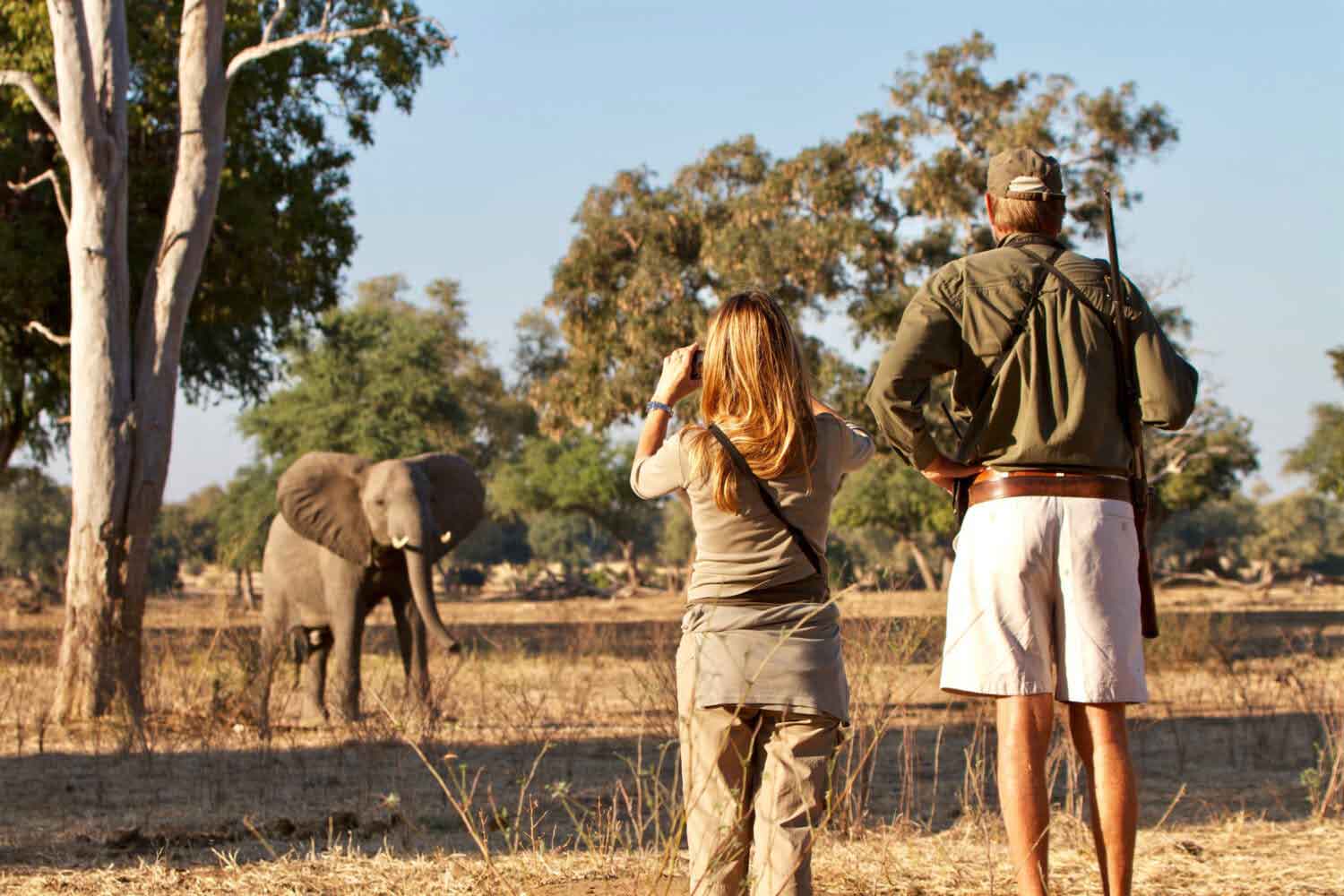
Beyond your clothing and camera gear, a few small accessories will make your daily game drives much more comfortable. A lightweight, reusable water bottle is a necessity. Most luxury camps provide filtered water, and bringing your own bottle reduces plastic waste.
Pack a small packet of wet wipes or hand sanitizer. The African bush is dusty, and you will appreciate having a way to clean your hands before enjoying morning coffee and snacks in the field. A compact tube of moisturizing hand cream is also helpful, as the dry air can quickly dehydrate your skin.
Finally, bring a physical copy of your travel insurance details and emergency contact numbers. While digital copies on your phone are convenient, having a printed backup ensures you can access this information even if your device runs out of battery.
What to Leave Behind
Space is at a premium, so leave unnecessary items at home.
- Formal evening wear: Safari camp dinners are relaxed and casual.
- Heavy electronics: Leave hair dryers or straighteners behind. Most luxury lodges provide these in your room, and remote camps running on solar power cannot support high-wattage appliances.
- Drones: These are strictly prohibited in almost all national parks and private reserves across Africa to protect the wildlife and ensure the privacy of other guests.
Maximizing Space in Your Duffel Bag
Packing a soft-sided duffel bag requires a different technique than packing a standard suitcase. Rolling your clothes instead of folding them saves space and prevents deep wrinkles. Soft packing cubes are excellent for keeping your duffel organized. You can dedicate one cube to shirts, another to pants, and a third to underwear and socks.
Wear your heaviest items on your international flight. Your bulky jacket, long pants, and walking shoes will take up too much space in your bag. Wearing them on the plane keeps you warm in the air-conditioned cabin and frees up valuable weight in your luggage.
Preparing for the Unexpected
The African wilderness is unpredictable, which is part of its charm. Packing a small, waterproof dry bag is a smart idea. You can use it to protect your camera and phone during a sudden rainstorm or while gliding through the waterways of the Okavango Delta in a mokoro (dugout canoe).
A headlamp or a small flashlight is another excellent addition to your bag. While luxury camps are well-lit and guides escort you to your tent at night, having your own light source is helpful for reading in bed or finding items in your bag before a pre-dawn wake-up call.
The Final Luggage Check
Before you leave for the airport, weigh your fully packed duffel bag and your hand luggage together. Ensure the combined weight is under the limit set by your charter flight operator. If you are slightly over the limit, review your clothing and remove one or two redundant items. Remember that the laundry service will keep your clothes fresh throughout your stay.
By following these guidelines, you will arrive at your destination prepared for the elements and ready to enjoy the spectacular wildlife. Packing light does not mean sacrificing comfort. It simply means making smart, practical choices that align with the realities of remote travel.
A well-packed bag is the foundation of a successful African adventure. By knowing the luggage limits of light aircraft and prioritizing versatile, neutral-colored clothing, you can focus entirely on the incredible wildlife and luxurious accommodations that await you. SAFARI FRANK is dedicated to ensuring your preparation is as smooth as the safari itself.