

Medieval Old Towns and Modern Skylines of Great Britain
Great Britain often reveals itself through contrast, but not the dramatic kind that demands comparison. The shift from medieval old towns to modern skylines happens quietly, sometimes within the same afternoon. You move from stone lanes shaped by foot traffic to glass towers shaped by finance and technology, and the transition feels less like a break than an adjustment in posture.
What gives these places continuity is not architectural style, but habit. Cities here have learned how to layer rather than replace, how to build forward without fully erasing what came before. The result is a landscape where history and modernity coexist without needing to explain themselves to one another.
Edinburgh Begins With Elevation and Density
Edinburgh’s old town does not spread outward. It rises, compresses, and folds inward on itself. Streets narrow unexpectedly. Buildings stack vertically. The city feels shaped by defence, weather, and the limits of its terrain.
In Edinburgh, medieval form is not decorative. It is functional. Stone closes in to block wind. Alleys twist to manage movement. The city’s age is felt through texture rather than display.
Walking here slows you down without asking. The ground itself encourages care.
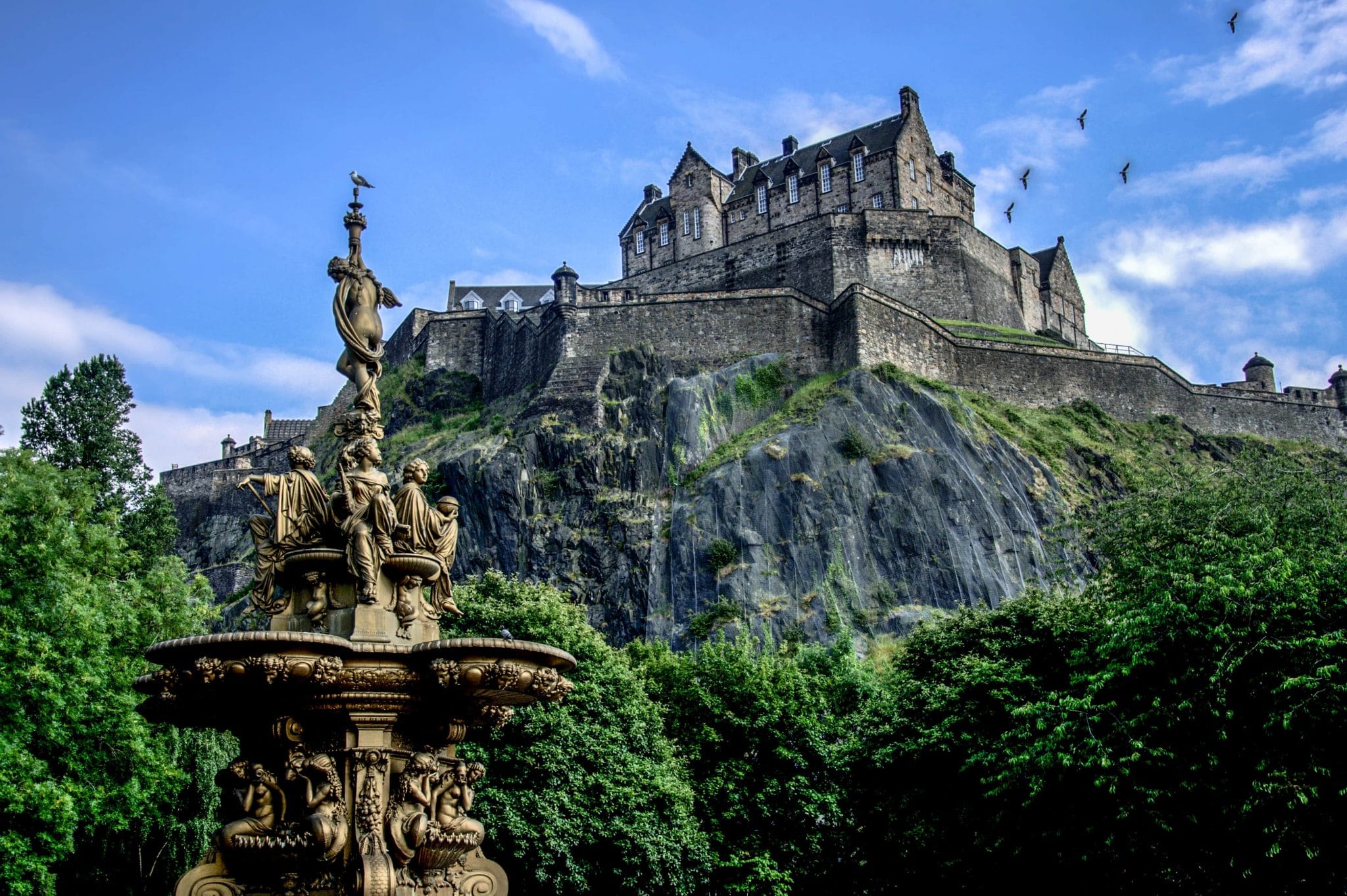
Old Towns Built for Use, Not Nostalgia
What makes Britain’s medieval towns enduring is how little they rely on preservation alone. These streets are not sealed environments. Shops open where homes once stood. Homes occupy buildings that have changed purpose repeatedly.
In Edinburgh, history remains close because it continues to be used. You pass through it on the way to work, to meet friends, to run errands. Nothing asks to be admired before it can be occupied.
This practical continuity keeps the past grounded rather than romanticised.
Leaving the Old World Gradually
Moving south does not feel like leaving history behind. Journeys such as the trains from Edinburgh to London allow the shift to unfold slowly, across landscapes where towns, fields, and industrial edges blend into one another.
The change is incremental. Density loosens. Scale widens. The medieval tightness begins to give way to something more expansive.
You don’t feel transported. You feel adjusted.
London as Accumulation Rather Than Design
London resists summary. It does not present a single historical centre or a unified architectural logic. Instead, it accumulates. Streets change character block by block. Centuries overlap without resolving.
In London, medieval fragments exist beside modern glass without apology. Old lanes surface briefly, then disappear behind newer structures. The city feels layered rather than planned.
This layering creates momentum. London moves forward by absorbing what already exists.

Skylines That Reflect Motion
London’s modern skyline is less about height than about density of activity. Towers rise where commerce concentrates. Glass reflects movement rather than scenery.
What stands out is how quickly these structures become ordinary. People pass beneath them without pause. They are reference points, not destinations.
Modernity here is not celebrated loudly. It is normalised.
Returning North With Familiarity
Travelling back along the London to Edinburgh train reverses the visual sequence but not the understanding. You return to compression with a different sense of scale. Medieval streets feel more intentional. Narrowness feels protective rather than restrictive.
The contrast sharpens perception, not division. Each city clarifies the other.
What once felt dense now feels precise.
The Street as a Mediator
Between old towns and new skylines lies the street. In both Edinburgh and London, streets do the work of negotiation. They connect eras without forcing alignment.
A medieval alley opens onto a modern thoroughfare. A glass-fronted office stands beside a stone church. The street allows these differences to coexist without hierarchy.
Movement becomes the common language.
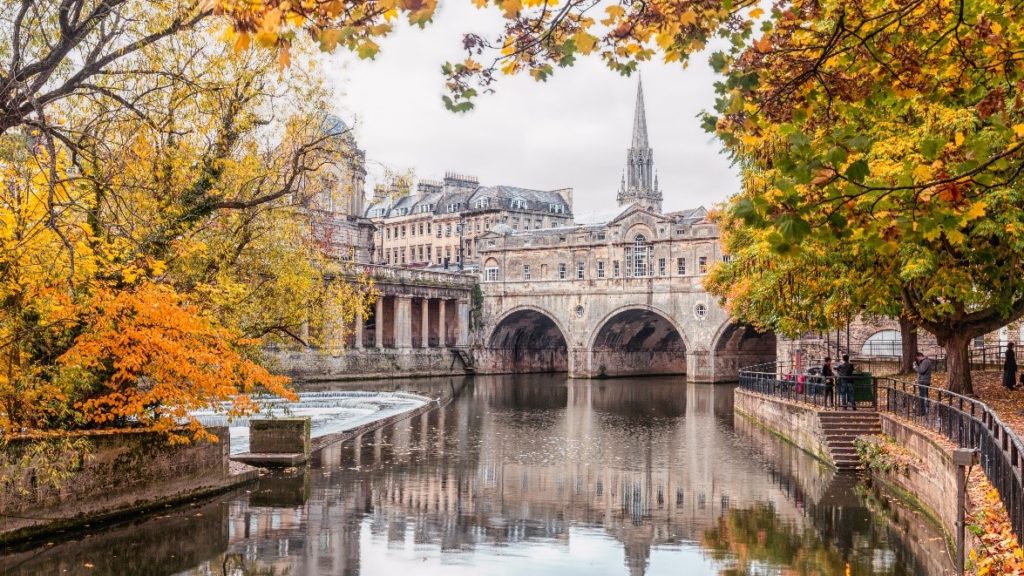
Old Towns That Still Shape Behaviour
Medieval towns continue to influence how people move. Streets encourage walking. Corners limit speed. Space is negotiated rather than assumed.
This shapes daily rhythm. You pause more often. You look ahead carefully. The environment teaches behaviour without instruction.
History remains active through habit.
Skylines That Absorb Change
Modern skylines, by contrast, absorb change quickly. Buildings update. Uses shift. The skyline adjusts without ceremony.
This flexibility allows cities like London to respond to pressure without discarding their foundations. Growth happens upward and inward rather than outward alone.
The city stretches instead of breaks.
Two Modes, One Continuum
Great Britain’s medieval towns and modern skylines are often framed as opposites. In practice, they operate as complementary modes. One prioritises containment and continuity. The other prioritises adaptability and expansion.
Both rely on use rather than preservation. Both remain alive because people continue to move through them daily.
The difference is not age, but posture.
What Lingers After Movement Ends
Later, what remains is not a checklist of eras. It is the memory of changing pace — slowing instinctively in old towns, accelerating naturally beneath modern towers.
These shifts do not feel contradictory. They feel learned. Great Britain does not ask you to choose between past and present.
It allows you to move between them, quietly, until the distinction matters less than the rhythm they share.