

Nippon’s Visual Poetry:
Sumida River Cruises and the Zen Rock Gardens of Ryoan-ji
Japan often reveals itself through contrast that does not feel confrontational. Movement and stillness exist within the same frame. Glass towers reflect temple roofs. Water carries neon in its surface while gravel holds silence only streets away.
Between Tokyo’s Sumida River and Kyoto’s Ryoan-ji, visual rhythm shifts from fluid to fixed. One drifts forward. The other remains arranged, unchanged, beneath open sky.
Water Moving Through the Capital
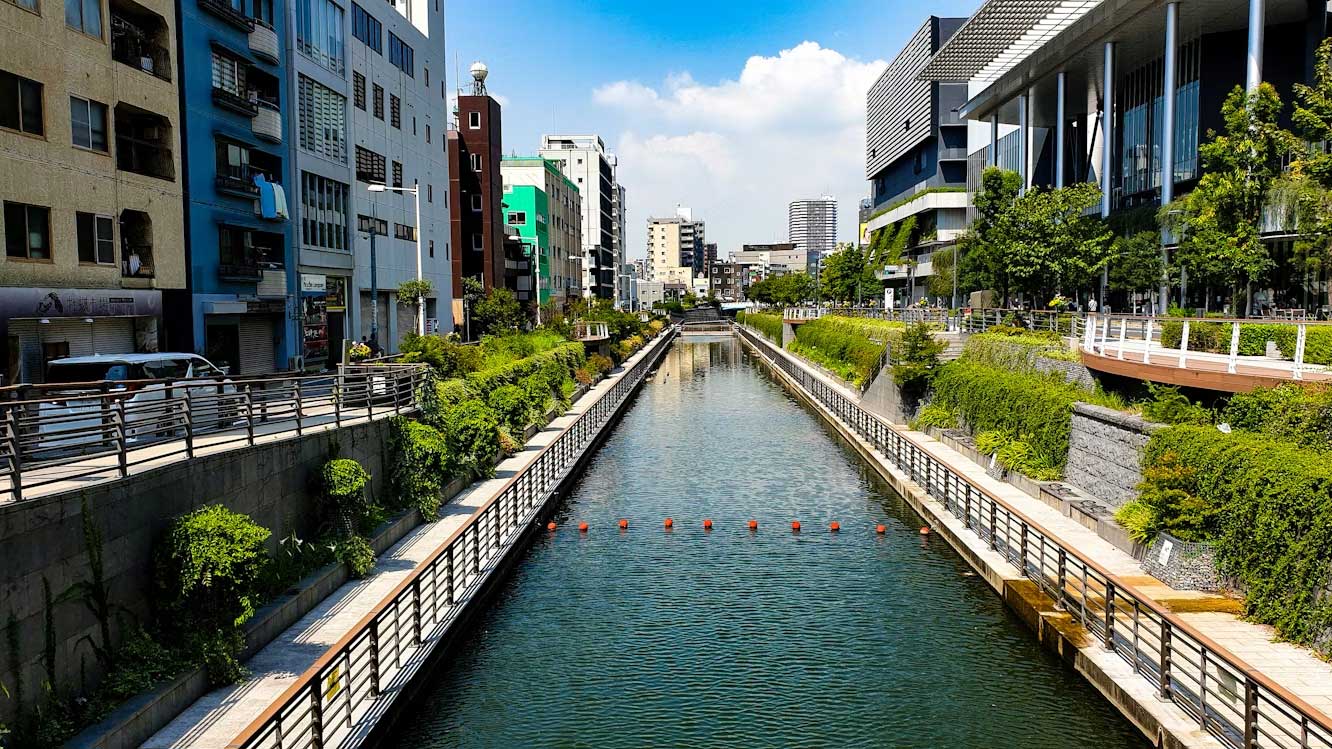
The Sumida River does not hide within Tokyo. It cuts a visible path through the city, bordered by walkways and low embankments. Bridges arch overhead in steady intervals, their forms repeated but never identical.
A river cruise glides beneath these spans at an even pace. Buildings lean toward the water, their reflections fractured by current. The sky appears in narrow bands between towers. Sound travels outward — distant traffic, muted conversation, the low hum of engines.
Travellers heading south on the Tokyo to Kyoto Shinkansen often encounter this river beforehand, watching its surface from train windows or strolling its banks before departure. The connection between motion on water and motion on rail feels almost natural. Both carry forward without insistence.
Late afternoon light flattens glass façades into pale mirrors. The river gathers these reflections and breaks them gently. Nothing stays whole for long. The city moves, yet the water’s pace remains measured.
Gravel and Measured Space
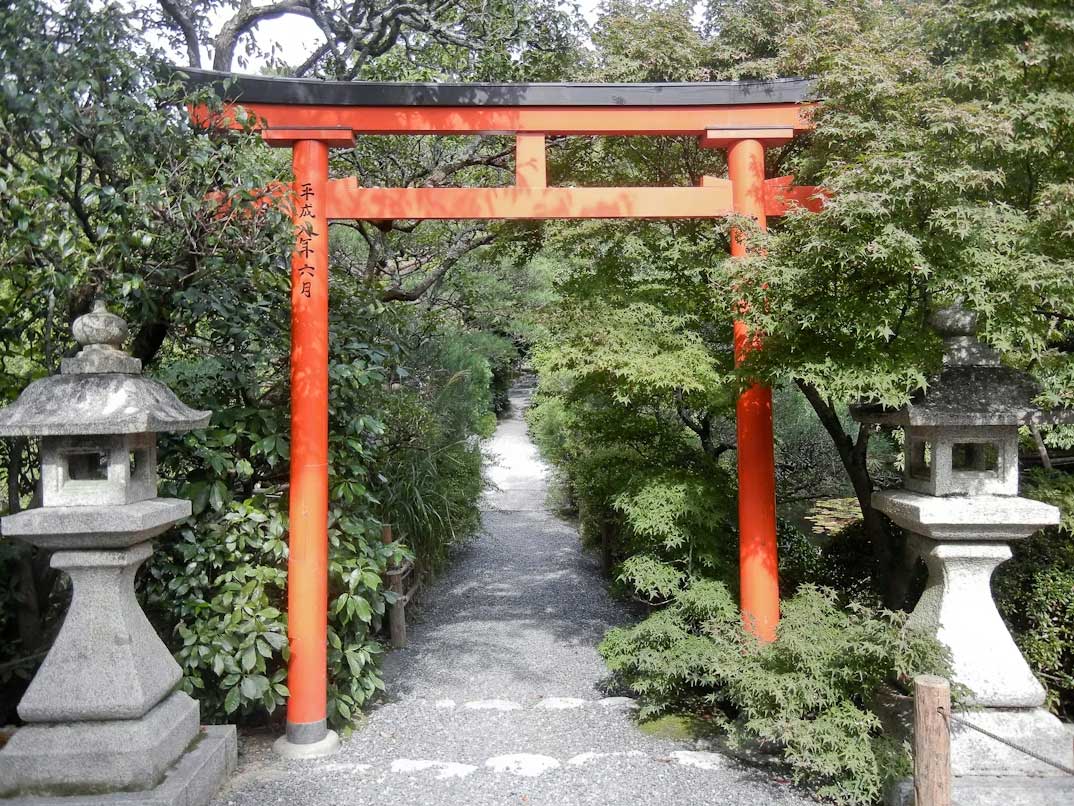
In Kyoto, the Zen garden at Ryoan-ji presents a different form of movement — one implied rather than visible. Fifteen rocks sit within a field of white gravel, arranged so that no single vantage reveals them all at once.
The surface is raked into careful lines. Shadows shift across it as the sun lowers. Moss gathers faintly at the base of stone. The garden appears spare, though the effect deepens the longer you sit.
Arrival in Kyoto by the Kyoto to Tokyo train reverses the earlier motion, carrying travellers from contained gravel back into urban flow. Yet in Ryoan-ji, time feels less connected to schedule. The space holds stillness without demanding interpretation.
Sound remains minimal. A breeze moves across nearby trees. Footsteps soften along the wooden veranda. The arrangement of rock and sand does not change, though light alters its texture minute by minute.
Fluid and Fixed
The Sumida River carries boats, reflections, fragments of sky. Ryoan-ji’s garden holds stone in deliberate placement. One reshapes itself constantly; the other resists alteration.
Yet both rely on perspective. From the river, the city appears layered and vertical. From the temple veranda, the garden flattens into pattern. Each setting frames what surrounds it rather than isolating itself from context.
Weather transforms them in subtle ways. Rain dims Tokyo’s skyline, deepening the river’s tone. In Kyoto, damp gravel darkens slightly, the raked lines softening before being restored again.
Between Drift and Design
Travel between Tokyo and Kyoto compresses these contrasts into a few hours. The Shinkansen glides smoothly, fields replacing towers before hills approach. The shift feels less like exchange and more like variation within the same narrative.
Memory tends to align images gently — a bridge spanning the Sumida, a stone resting in white gravel. Motion and stillness coexist without cancelling each other.
Neither space insists on explanation. The river flows whether watched or not. The garden remains composed whether contemplated or passed by.
When Light Withdraws
As dusk gathers over Tokyo, the Sumida reflects scattered points of artificial light. Bridges glow faintly above darker water. In Kyoto, shadows lengthen across gravel, reducing contrast between stone and sand.
Later, recalling both experiences, the impressions settle side by side — water carrying the city forward, rock holding quiet form. Visual poetry emerges not from spectacle, but from repetition and restraint.
The river continues to move. The garden continues to hold. Between them, Japan maintains its balance — fluid and fixed, reflective and grounded, beneath a sky that alters tone without announcing its shift.