

Tradition and Modern Life:
Kyoto’s Sacred Paths and Osaka’s City Energy
Japan often reveals itself through contrast, but not the kind that asks you to choose sides. Tradition and modern life exist in close proximity, sometimes within the same neighbourhood, sometimes within the same day. Kyoto and Osaka illustrate this balance especially clearly. One turns inward, shaped by ritual, restraint, and repetition. The other moves outward, driven by energy, appetite, and constant exchange. Together, they show how continuity and momentum can coexist without conflict.
Understanding this relationship doesn’t come from comparison alone. It comes from moving between places and noticing how your own pace adjusts along the way.
Kyoto Begins With Attention, Not Arrival
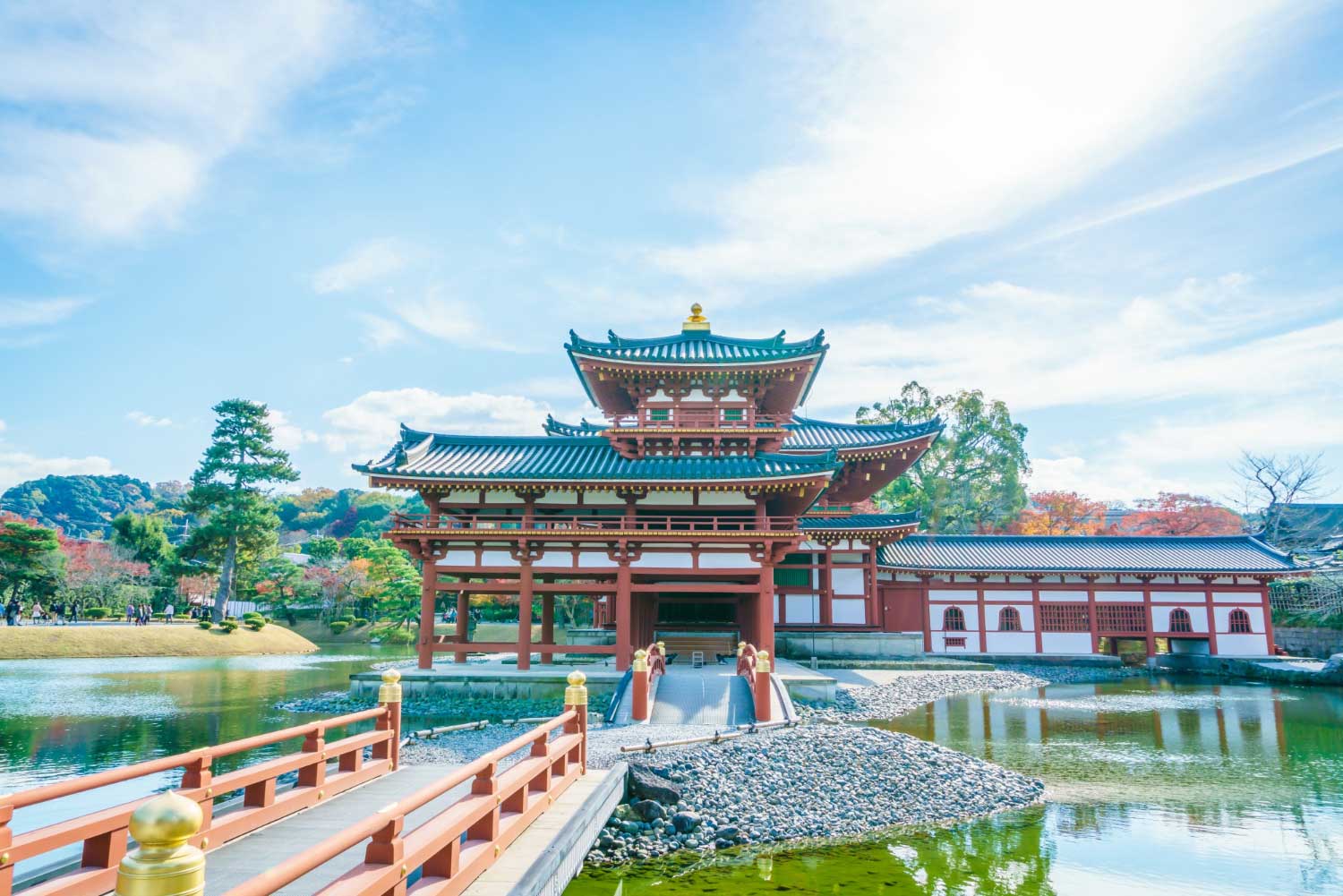
Kyoto does not announce itself loudly. You enter the city and nothing immediately demands focus. Streets remain calm. Buildings sit low. Movement feels deliberate rather than efficient.
What defines Kyoto is not scale, but sensitivity. Sacred paths appear without warning — a torii gate set back from the road, a stone-lined walkway leading upward, a temple entrance partially hidden by trees. These spaces are not isolated from daily life. They exist alongside it, quietly influencing how people move and behave.
Kyoto rewards looking slowly.
Moving Without Breaking the Mood
Travelling around Japan does not feel like leaving Kyoto behind entirely. Routes such as the Tokyo to Kyoto train allow a gradual shift rather than an abrupt one, carrying the city’s restraint with you for a while.
The landscape changes, but the rhythm holds. You arrive already adjusted, already attentive.
Movement here feels like continuation, not interruption.
Sacred Paths as Living Routes
Kyoto’s sacred paths are not preserved corridors meant only for visitors. They are used. People walk them on the way to work, during errands, or simply to pass through a quieter stretch of the city.
Gravel crunches underfoot. Steps wear unevenly. Gates frame movement rather than mark destinations. The path matters more than what lies at the end of it.
This repetition gives the space its meaning. Sacredness here is not theatrical. It is habitual.
Stillness That Shapes Behaviour
What becomes noticeable over time is how Kyoto’s environment influences conduct. Voices soften naturally. Movements become smaller. You pause without deciding to.
Temples and shrines do not instruct you how to behave. The space itself sets the tone. Stillness feels appropriate, not imposed.
This atmosphere lingers, even as you leave individual sites behind.
Osaka Arrives With Motion
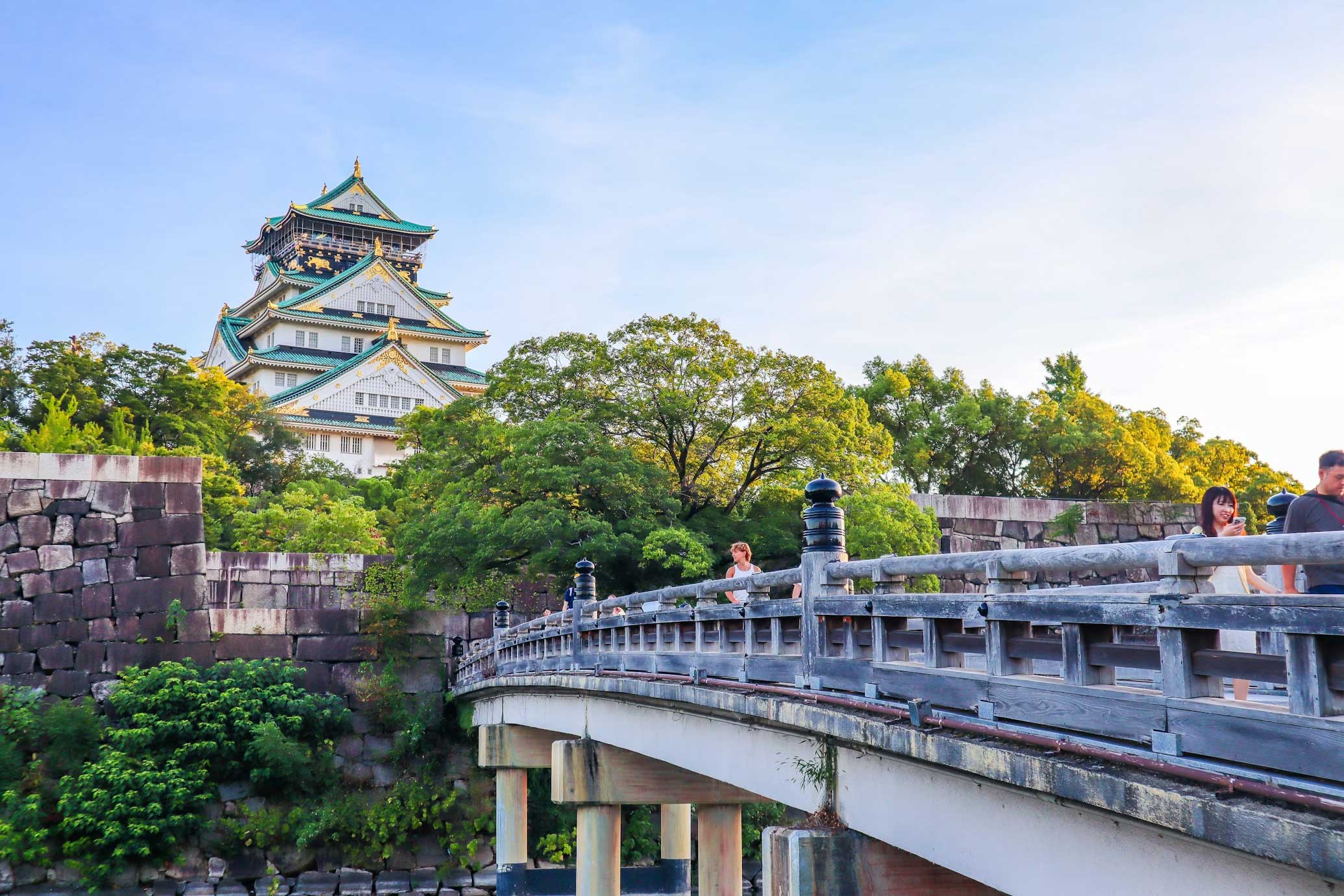
Osaka feels different almost immediately. Sound thickens. Streets widen. Light reflects off signage and glass. Where Kyoto pulls inward, Osaka pushes outward.
The city is animated by interaction. Food stalls, shops, and crowds overlap without friction. People move quickly, but not impatiently. Energy circulates rather than collides.
Osaka does not ask you to slow down. It invites you to keep up.
Speed That Feels Natural
Travel between major cities reinforces this sense of flow. Taking the bullet train from Tokyo to Osaka highlights how movement in Japan prioritises ease over drama.
Speed exists, but it does not dominate the experience. Inside the train, time loosens. You rest, reflect, or simply sit. Arrival feels expected rather than earned.
Modern infrastructure supports daily life without asking to be admired.
Everyday Life in the Open
What defines Osaka is accessibility. The city does not hide its pleasures or rituals. Eating, talking, gathering — everything happens in public view.
Neighbourhoods feel lived-in rather than curated. Streets function as extensions of home and business alike. There is little separation between private and public life.
This openness creates immediacy. You are not observing the city. You are part of it.
Two Cities, One Cultural Logic
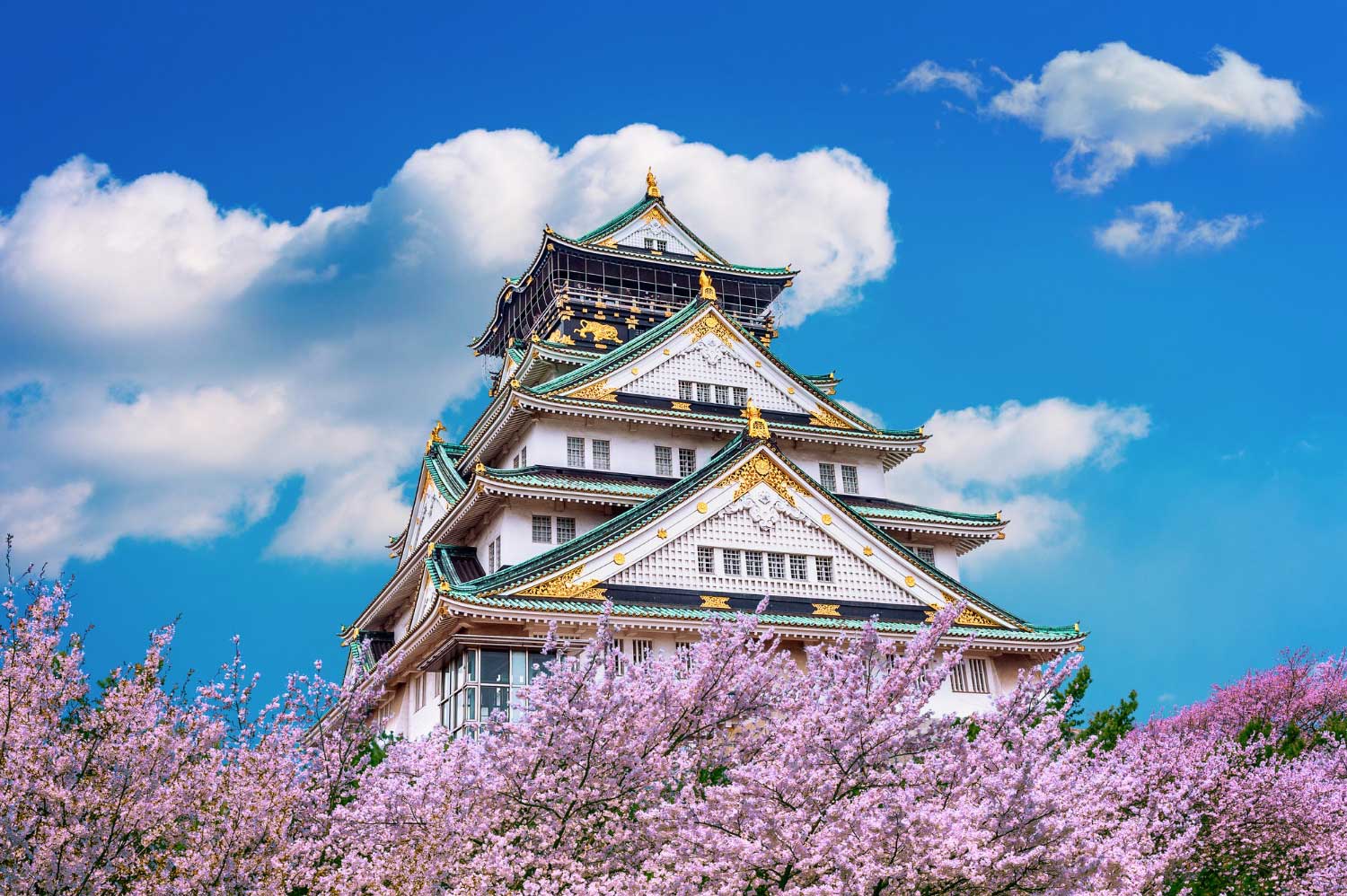
Kyoto and Osaka appear to sit at opposite ends of a spectrum, yet they are guided by the same underlying logic: space should shape behaviour gently rather than forcefully.
Kyoto uses quiet to encourage reflection. Osaka uses activity to foster connection. Neither approach negates the other. Each serves a different aspect of daily life.
Together, they create balance rather than contrast.
Tradition That Adapts, Modernity That Remembers
Kyoto’s traditions endure because they adapt. Paths remain relevant because they are used. Ritual survives because it fits into ordinary movement.
Osaka’s modernity works because it remembers. Food culture, neighbourhood ties, and informal routines give the city depth beneath its pace.
Both cities understand that continuity depends on flexibility.
Memory Formed Through Pace
Later, what you remember is not a list of sites or districts. It is the feeling of adjusting — slowing your steps in Kyoto, quickening them in Osaka.
These shifts do not feel contradictory. They feel instructive. You learn how space influences behaviour without explanation.
Japan teaches through experience rather than statement.
What Remains After You Move On
Tradition and modern life in Japan are not opposing forces. They are parallel movements, unfolding at different speeds. Kyoto and Osaka make this visible, not through comparison, but through coexistence.
What stays with you is not the contrast, but the ease with which you moved between it. The sense that nothing needed to be resolved.
The cities continue on their own terms — one quietly, one energetically — and you carry a little of both rhythms with you long after you leave.