

Urban Life in Scandinavia:
Cities of Norway and Sweden
A Northern Perspective on Modern Living
Scandinavia has earned a reputation for striking landscapes, but its cities are equally compelling. Norway and Sweden have developed urban centres where contemporary architecture, historic districts and abundant green spaces exist in remarkable harmony. Rather than competing with nature, these cities embrace it, creating environments that are both dynamic and inviting.
From waterfront promenades to innovative museums and lively food markets, exploring Scandinavia’s urban life reveals a region that values creativity, sustainability and quality of life in equal measure.
Oslo Blends Innovation with Tradition
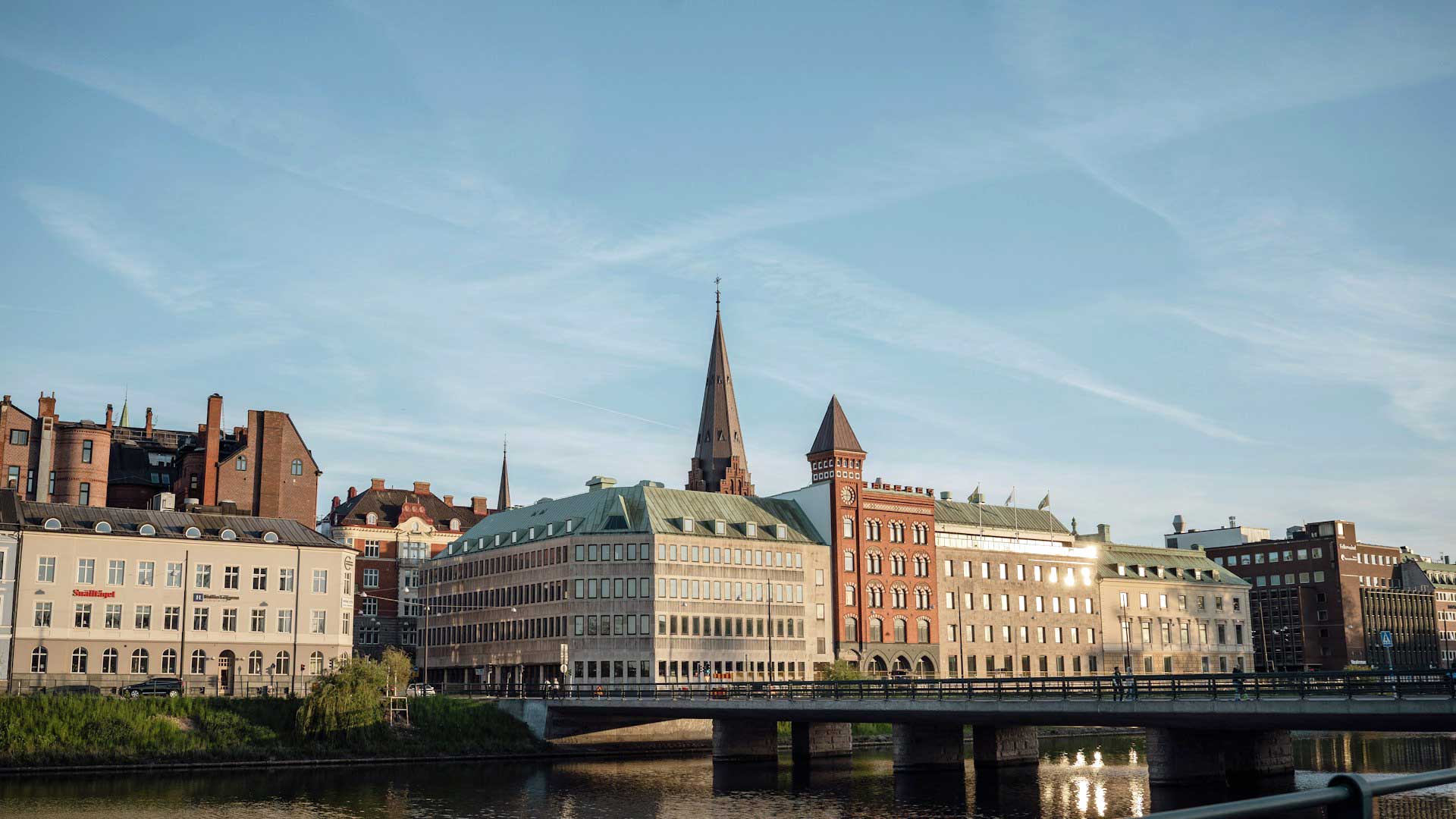
Norway’s capital has transformed dramatically in recent decades while remaining closely connected to its maritime heritage. The revitalised waterfront at Bjørvika showcases bold modern architecture, including the striking Oslo Opera House, whose sloping white roof invites visitors to walk to the top for panoramic views across the fjord.
Many travellers include the capital as part of broader Norway tours, combining Oslo’s cultural attractions with the country’s celebrated fjords, mountain railways and dramatic coastal scenery. Beginning a journey in the capital offers valuable insight into modern Norwegian life before venturing into its spectacular natural landscapes.
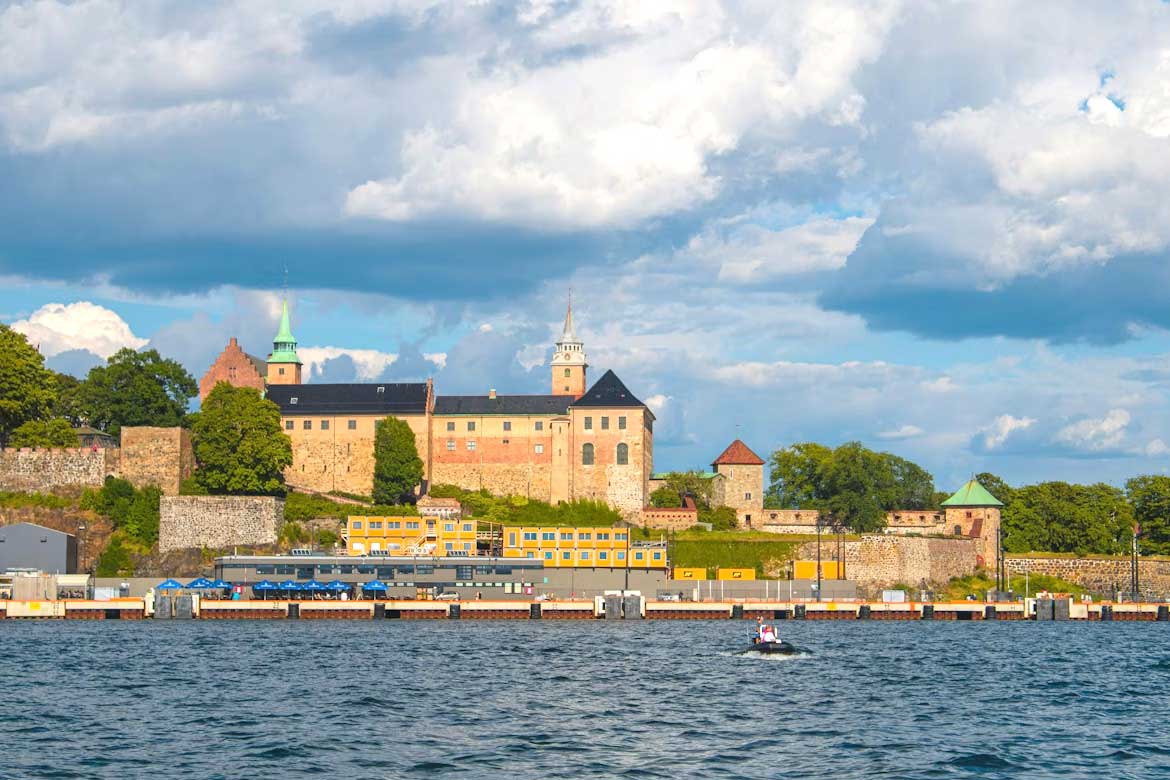
A short walk from the waterfront leads to the historic Akershus Fortress, where medieval stone walls overlook one of Scandinavia’s busiest harbours, creating a fascinating contrast between old and new.
Streets Designed for Everyday Life
Oslo demonstrates how thoughtful urban planning can shape a city’s atmosphere. Wide pavements, extensive cycling routes and numerous public parks encourage residents to spend time outdoors throughout the year.
The Grünerløkka district has become one of the city’s creative hubs. Former industrial buildings now house independent cafés, design studios, vintage boutiques and contemporary galleries that attract artists and entrepreneurs alike.
Local markets regularly bring together food producers, craftspeople and musicians, giving the neighbourhood a welcoming community feel that reflects the Norwegian appreciation for balanced urban living.
Stockholm Rises Across the Water
Built across fourteen islands connected by elegant bridges, Stockholm possesses one of Europe’s most distinctive settings. Water is never far away, shaping both the city’s appearance and daily rhythm.
The historic district of Gamla Stan introduces visitors to colourful buildings, narrow cobbled streets and lively squares where cafés occupy centuries-old townhouses. The Royal Palace and Stockholm Cathedral preserve the city’s royal heritage while remaining active parts of the capital.
Many visitors continue their Scandinavian adventure through Sweden tours, allowing them to discover not only Stockholm but also picturesque archipelagos, charming provincial towns and forests that stretch across much of the country.
Museums That Tell Scandinavia's Story
Stockholm’s museums reflect Sweden’s rich cultural heritage alongside its innovative outlook.
The Vasa Museum houses the remarkably preserved seventeenth-century warship that spent more than three centuries beneath Stockholm Harbour before being recovered and carefully restored. Nearby, the ABBA Museum celebrates one of Sweden’s most influential cultural exports through interactive exhibitions that attract music lovers from around the world.
Oslo offers equally rewarding institutions. The MUNCH Museum presents an extensive collection devoted to Edvard Munch, while the National Museum explores Norwegian art, design and architecture through thoughtfully curated displays. Together, these collections reveal how creativity has shaped both nations across different eras.
Waterfront Districts Full of Character
Both capitals have embraced their waterfronts as vibrant public spaces.
In Oslo, the harbour has evolved into a lively destination where floating saunas, modern restaurants and scenic boardwalks attract residents throughout the seasons. Ferries regularly depart for nearby islands, offering peaceful escapes only minutes from the city centre.
Stockholm’s waterfront promenades provide equally memorable experiences. Watching boats glide through the canals while enjoying coffee at an outdoor terrace has become one of the city’s simplest pleasures, especially during the long summer evenings when daylight lingers well into the night. These waterside settings contribute greatly to the relaxed pace of Scandinavian urban life.
A Culinary Scene Rooted in Local Ingredients
Food has become an important part of both Oslo and Stockholm’s cultural identity. Restaurants increasingly celebrate seasonal produce, sustainable sourcing and regional recipes interpreted with contemporary flair.
Seafood features prominently, from freshly caught salmon and Arctic char to delicate shellfish harvested along Norway’s rugged coastline. Swedish cuisine highlights ingredients such as wild mushrooms, berries, root vegetables and locally produced cheeses.
Food halls have also flourished across both cities. Oslo’s Mathallen and Stockholm’s Östermalms Saluhall allow visitors to sample artisan products, traditional specialities and international cuisine under one roof, creating lively spaces where locals and travellers naturally mingle.
Green Spaces at the Centre of Urban Life
Nature is never far away in Scandinavian cities. Extensive parks, forests and waterfront paths encourage outdoor activities regardless of the season.
Frogner Park in Oslo is famous for Gustav Vigeland’s remarkable sculptures, while the surrounding gardens provide ample space for picnics, exercise and family gatherings.
In Stockholm, Djurgården combines museums, woodland trails and open meadows within easy reach of the city centre. Walking or cycling through these landscapes quickly demonstrates why access to green spaces plays such an important role in everyday Scandinavian life. These areas are not simply attractions but integral parts of the cities themselves.
Two Capitals That Define Modern Scandinavia
Oslo and Stockholm showcase different interpretations of urban living while sharing a commitment to thoughtful design, environmental responsibility and cultural vitality. Norway’s capital impresses with its revitalised waterfront and contemporary architecture, while Stockholm charms with its island setting, historic streets and artistic legacy. Together they offer an engaging introduction to Scandinavia, where modern cities thrive alongside nature and where daily life reflects a deep appreciation for creativity, community and the landscapes that surround them.