Why Ecuador Stands Out as a Top Choice for High End Travel
Ecuador is one of the most adaptable destinations in Latin America for travelers who want comfort, culture, and strong access to nature. Although the country is small, it holds an unusual mix of regions. The Andes, Amazon, Pacific coast, and the Galapagos each offer distinct experiences that can be combined without long overland travel. This balance is a major reason Ecuador has become a favorite for private guided travel.
A Country Built for Variety
Few destinations offer such a wide range of environments in a single trip. The Andes provide cool mountain air, historic cities, and traditional markets. The Amazon introduces travelers to dense rainforest, river excursions, and wildlife found nowhere else. Coastal Ecuador focuses on fishing culture, mangroves, and relaxed beach towns. The Galapagos adds volcanic islands and wildlife encounters that feel unlike any other place in the world. Luxury programs work well here because travelers can experience multiple regions while staying in high comfort throughout.
Andes Region
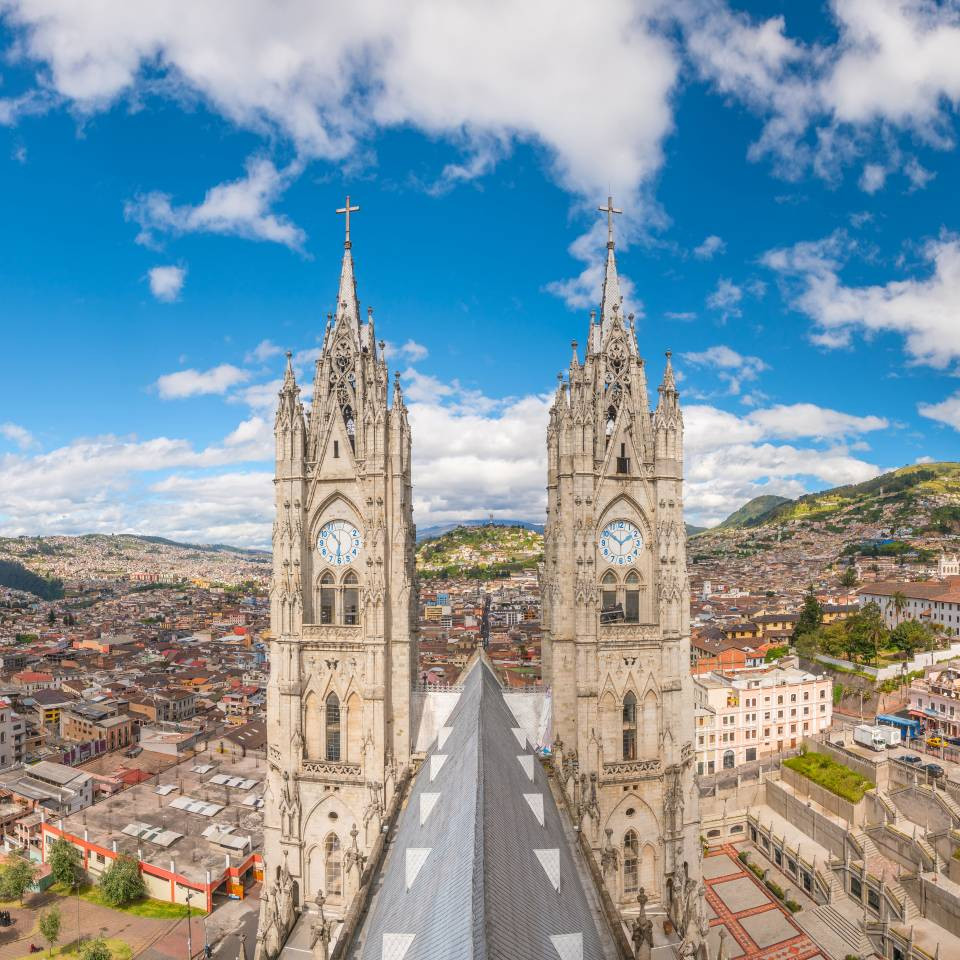
Quito’s historic center gives a clear look at colonial architecture, local traditions, and hillside views over the city. The surrounding highlands hold small communities known for weaving, pottery, and farming. Many travelers visit the region for its craft markets, mountain landscapes, and heritage sites. Private guides help explain the cultural patterns that shape this part of the country, making visits more meaningful and structured.
Amazon Region
The Amazon in Ecuador is easier to access than in many other countries. Travelers fly into the region and continue by boat to lodges located inside protected reserves. Daily excursions may include forest walks, canopy towers, lake visits, and wildlife observation with trained naturalists. These programs often highlight local conservation work and Indigenous knowledge, which gives travelers a clear understanding of how the region is managed.
Coastal Ecuador
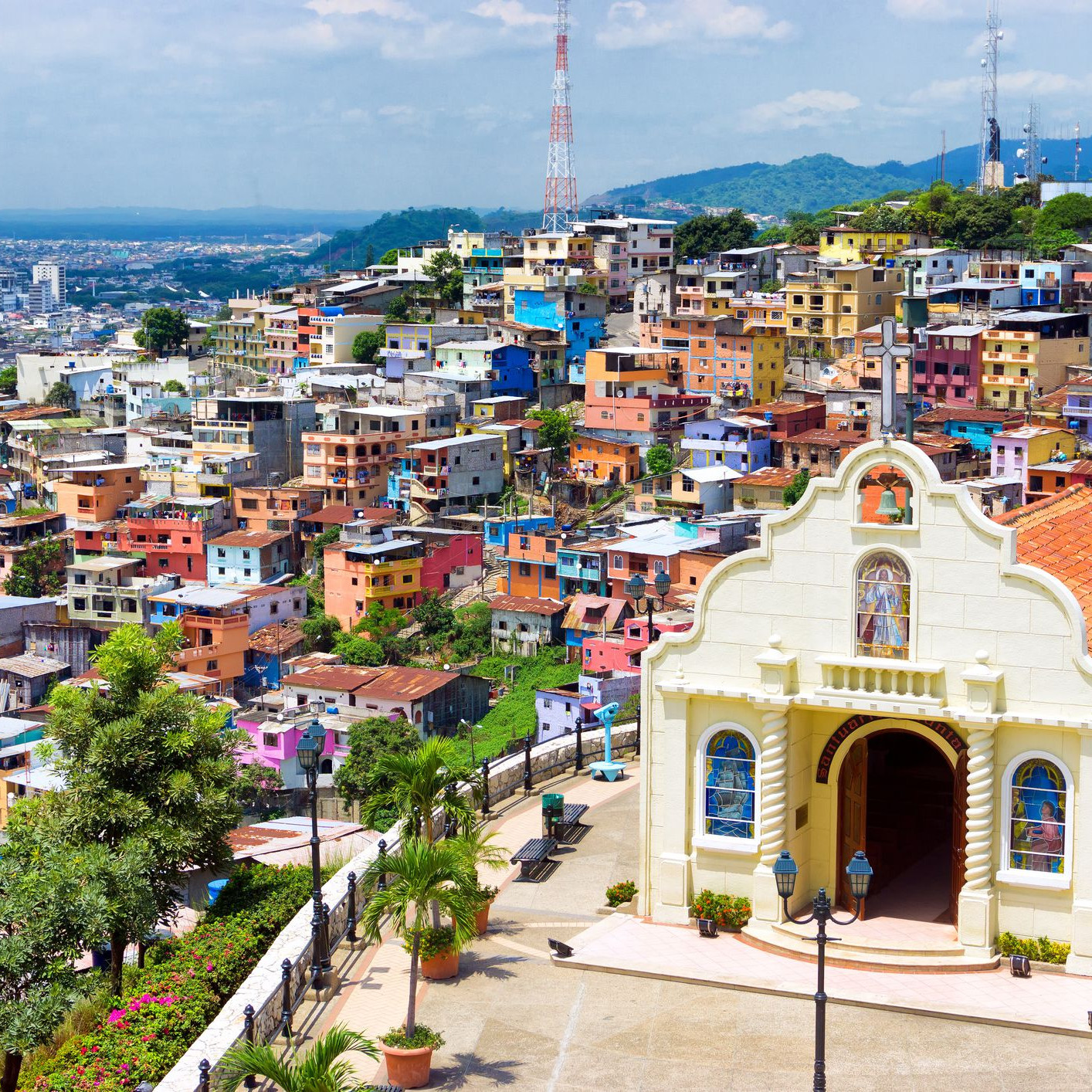
The Pacific coast blends traditional fishing life with protected natural areas. Travelers often explore beaches, marine parks, and small towns that produce strong seafood traditions. This region receives fewer international visitors compared to the Andes and Galapagos, making it appealing for travelers who want quieter stops within a larger itinerary.
The Galapagos Islands
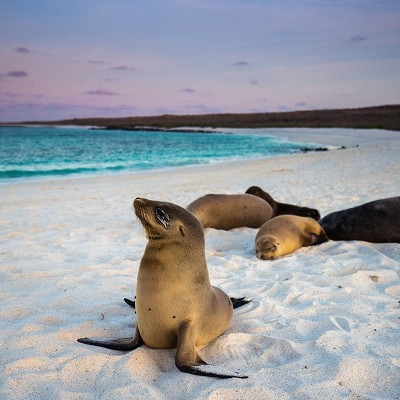
The Galapagos are known worldwide for their wildlife, volcanic formations, and scientific significance. Animals on the islands show little fear of humans, which allows close observation of species such as blue footed boobies, sea lions, and giant tortoises. Luxury travel in the Galapagos often uses small ships or eco focused lodges supported by naturalist guides. Each island has its own combination of terrain and species, which gives the trip rhythm and structure.
When to Visit Ecuador
Ecuador’s climate is shaped more by region than by season.
- The Andes stay mild through the year with clearer skies in the drier months between June and September.
- The Amazon is warm and humid year round, with seasonal changes in water levels.The coast is sunniest between December and April.
- The Galapagos offer strong wildlife viewing in both the warm season of December to May and the cooler season of June to November.
Because conditions vary by region, many travelers plan routes around their climate preferences. Private guided itineraries help match the timing to the experiences that matter most.
Why Luxury Travelers Choose Ecuador
Ecuador delivers variety, cultural depth, and responsible tourism practices in a compact and manageable layout. Private guides, well maintained lodges, and organized logistics allow travelers to focus on the experience rather than the transitions. It is a country that rewards curiosity and offers comfort at every stage. Many travelers book an Ecuador luxury tour to see how much the country offers in a single journey with the support of experts who know each region well.
Sustainability and Local Impact
Ecuador has made steady progress in responsible tourism, which is one of the reasons it appeals to travelers who want meaningful experiences without harming the environment. Many lodges in the Amazon and Galapagos operate with strict conservation standards that manage waste, reduce fuel use, and support wildlife research. In the Andes and coastal regions, community led projects give travelers access to craft traditions, farming practices, and cultural knowledge that might otherwise be overlooked. This connection between local involvement and high quality travel has become a defining part of Ecuador’s appeal, giving visitors a clearer understanding of how tourism supports the country’s long term goals.