

Dancing Auroras Across Snowy Fjords and Arctic Shorelines
Far north, the idea of certainty starts to thin out. Plans soften. Expectations lose their edges. Northern Norway has a way of undoing the habits you arrive with, not abruptly, but slowly enough that you barely notice it happening. Snow-covered fjords and Arctic shorelines don’t present themselves as destinations to be conquered. They exist more like conditions — places where light, weather, and waiting quietly shape how you experience time.
The Northern Lights fit into this environment without demanding attention. They are not framed as a performance. They appear when they choose to, often tentatively, sometimes briefly, and almost never in the way you imagined beforehand.
Learning to Wait Without Expectation
Winter in the Arctic changes the meaning of waiting. Darkness settles early and stays. Snow dulls sound. Movement becomes deliberate, not because it must be, but because rushing feels unnecessary. You find yourself noticing smaller things — how the air feels sharper near the water, how clouds shift almost imperceptibly, how distant lights blur against ice.
In this setting, waiting is not empty time. It becomes a form of participation. You are involved simply by being there, by staying present long enough for something subtle to register.
This shift in attention matters more than any forecast.
Fjords That Hold the Sky Gently
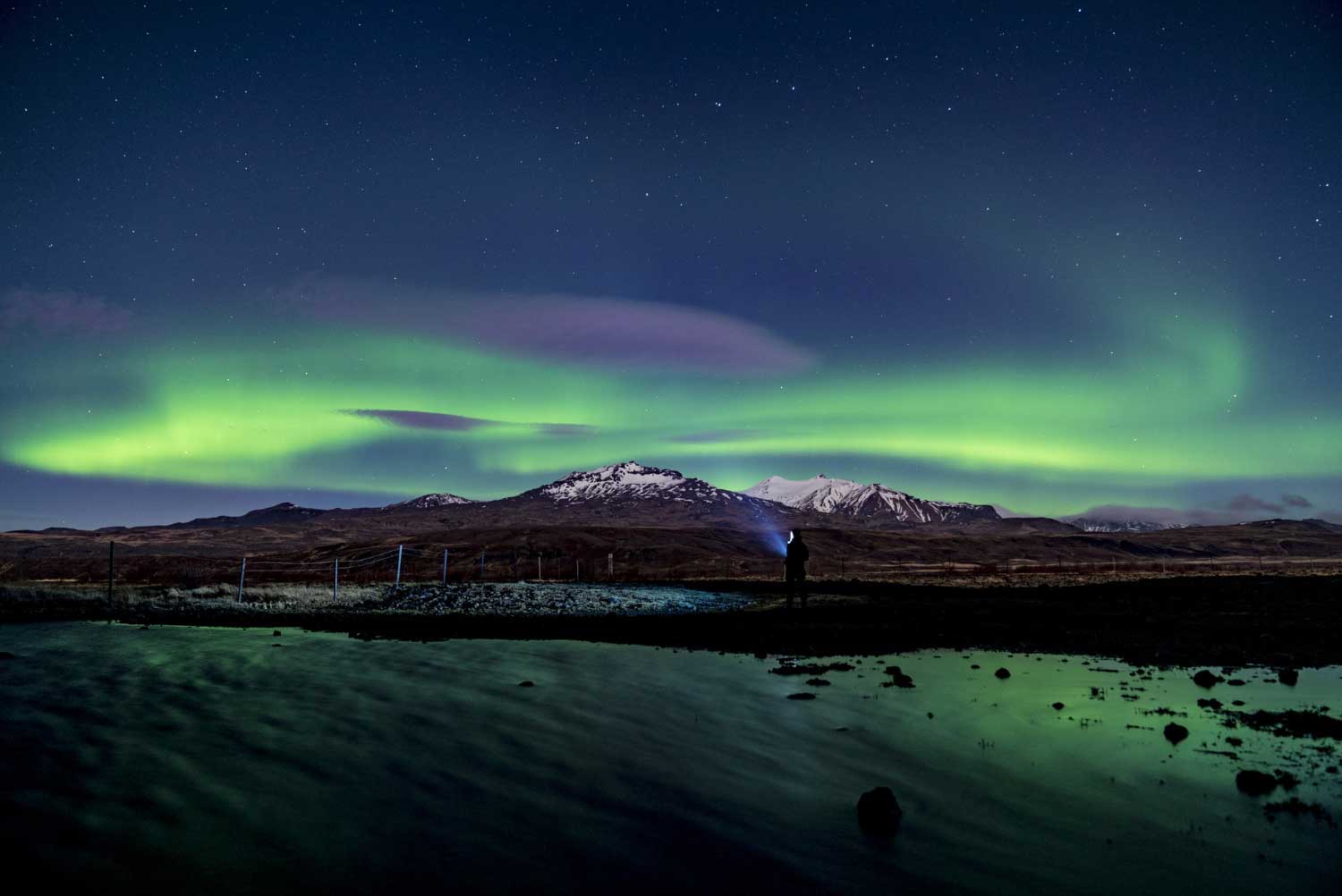
Snow-filled fjords create a sense of closeness without pressure. Mountains rise steeply, narrowing the sky just enough to make it feel contained. Water reflects what little light exists, doubling its presence.
When the aurora appears here, it often feels woven into the landscape rather than placed above it. Colour drifts across the sky and settles briefly on water and snow before fading again. Nothing feels separate. Everything participates.
This is why many travellers gravitate toward trips to Norway Northern Lights experiences based near fjords. The environment doesn’t compete with the sky. It gives it room to breathe.
Shorelines That Face Outward
Along the Arctic coast, the feeling changes. Fjords release you into openness. The horizon flattens. Wind carries sound away. There is less shelter, more distance.
Watching the sky from the shoreline feels different — less intimate, more expansive. The aurora stretches freely, uncontained by slopes or ridges. Movement feels broader, less focused.
Here, you don’t feel surrounded by landscape. You feel exposed to it, and that exposure sharpens awareness in its own way.
Movement That Adjusts Instead of Progresses
Northern Lights travel is rarely linear. Short drives pause unexpectedly. Routes change. Plans adapt to cloud cover and wind rather than schedules. You move because conditions suggest it, not because a plan insists on it.
This flexibility removes pressure. There is no sense of failure if nothing appears. The experience does not hinge on a single outcome.
People who join Northern Lights tours in Norway often remember this looseness — the shared understanding that nothing is owed, and that attention itself is enough.
Light That Builds Slowly, If at All
The aurora almost never arrives fully formed. It begins quietly, sometimes uncertainly. A faint band. A pale shimmer that could be mistaken for reflection. You watch without confidence.
Then, sometimes, it grows. Colour deepens. Movement becomes clearer. And just as attention sharpens, it fades again.
There is no clear ending. No moment of completion. The sky does not wait for acknowledgement.
Cold That Keeps You Present
Cold in the Arctic is not dramatic. It is constant. It settles into clothing, breath, and posture. You adjust without thinking. You shift weight. You stand still longer than expected.
Rather than pulling you away from the experience, cold anchors you in it. Sensation becomes immediate. You are aware of your body in space without needing to reflect on it.
Warmth, when it returns, feels almost irrelevant.
Quiet Shared Without Agreement
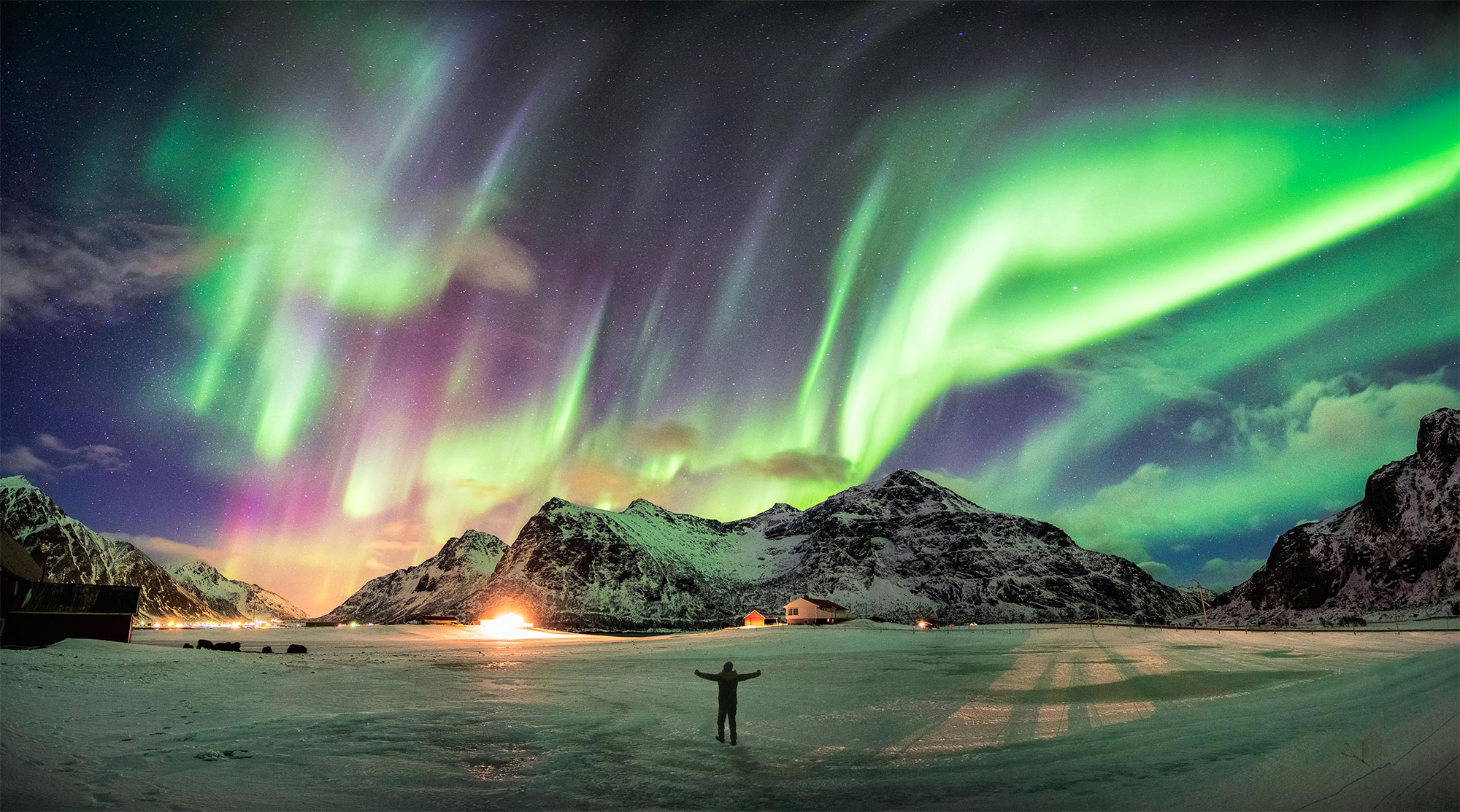
Northern Lights watching often happens in small groups, yet conversation fades naturally. No one signals for silence. It simply arrives. Gestures replace words. People point briefly, then lower their hands.
There is a shared understanding that explanation would add nothing. The moment does not benefit from commentary.
Silence becomes collective, not imposed.
Snow That Reflects and Erases
Snow amplifies light without exaggerating it. Even faint auroras feel more present against white ground. At the same time, snow refuses permanence. Footprints disappear. Paths dissolve overnight.
Nothing stays marked for long. The landscape resets itself repeatedly.
This impermanence mirrors the aurora — visible, then gone, without trace.

Time Without Clear Boundaries
Hours stretch easily in Arctic winter. Night blends into night. Clocks lose authority. You stop checking how long you’ve been outside.
Memory forms differently in this state. You recall sensations rather than sequences. Cold air. Green light fading into dark. The sound of wind moving across water.
The experience resists organisation.
What Remains When Nothing Is Promised
Later, what stays with you is not proof that you “saw” the Northern Lights. It is the memory of standing still while the sky behaved on its own terms. Of letting uncertainty exist without frustration.
Snowy fjords and Arctic shorelines do not frame the aurora as something to collect. They frame it as something briefly noticed, then allowed to pass.
That quiet acceptance — uncelebrated, unresolved, and incomplete — is often what lingers the longest.