

Located in the Pacific Ocean, The Galapagos islands is an UNESCO World Heritage Site, renowned for their exceptional biodiversity, stunning landscapes, and their connection to Charles Darwin’s theory of evolution. This remote archipelago provides a rare opportunity to witness an untouched ecosystem where wildlife roams freely and where visitors can immerse themselves in natural wonders that can’t be found anywhere else in the world!
Why Visit The Galapagos
WILDLIFE
The Galapagos Islands are home to an incredible array of wildlife, much of which is found nowhere else on Earth. Visitors can encounter giant tortoises, marine iguanas, blue-footed boobies, frigatebirds, penguins, and sea lions, among many other species. The unique aspect of Galapagos wildlife is their lack of fear towards humans, allowing for up-close and personal encounters that are truly unforgettable.
LANDSCAPES
The Galapagos Islands are formed of lava piles and dotted with shield volcanoes, geological formations and idyllic beaches. Its isolated location created the perfect scenario for the evolution of unusual flora and fauna. There are 21 volcanoes in the island, 13 of which are active, becoming the second most active hot spots of the world after Hawaii.
BEACHES
he Galapagos Islands are blessed with picturesque beaches that offer both relaxation and natural beauty. White sandy shores meet turquoise waters, providing an idyllic setting for swimming, snorkeling, and sunbathing. Some of the popular beaches include Tortuga Bay on Santa Cruz Island, Gardner Bay on Española Island, and Bachas Beach on Santa Cruz Island.
WEATHER
The Galápagos Islands are located directly on the equator, but they receive cool ocean currents, creating an unique mix between tropical weather and temperate climate, that allow tourists to enjoy the weather during the whole year.

Located in the Pacific Ocean, The Galapagos islands is an UNESCO World Heritage Site, renowned for their exceptional biodiversity, stunning landscapes, and their connection to Charles Darwin’s theory of evolution. This remote archipelago provides a rare opportunity to witness an untouched ecosystem where wildlife roams freely and where visitors can immerse themselves in natural wonders that can’t be found anywhere else in the world!
Why Visit The Galapagos
WILDLIFE
The Galapagos Islands are home to an incredible array of wildlife, much of which is found nowhere else on Earth. Visitors can encounter giant tortoises, marine iguanas, blue-footed boobies, frigatebirds, penguins, and sea lions, among many other species. The unique aspect of Galapagos wildlife is their lack of fear towards humans, allowing for up-close and personal encounters that are truly unforgettable.
LANDSCAPES
The Galapagos Islands are formed of lava piles and dotted with shield volcanoes, geological formations and idyllic beaches. Its isolated location created the perfect scenario for the evolution of unusual flora and fauna. There are 21 volcanoes in the island, 13 of which are active, becoming the second most active hot spots of the world after Hawaii.
BEACHES
he Galapagos Islands are blessed with picturesque beaches that offer both relaxation and natural beauty. White sandy shores meet turquoise waters, providing an idyllic setting for swimming, snorkeling, and sunbathing. Some of the popular beaches include Tortuga Bay on Santa Cruz Island, Gardner Bay on Española Island, and Bachas Beach on Santa Cruz Island.
WEATHER
The Galápagos Islands are located directly on the equator, but they receive cool ocean currents, creating an unique mix between tropical weather and temperate climate, that allow tourists to enjoy the weather during the whole year.
Bucket List
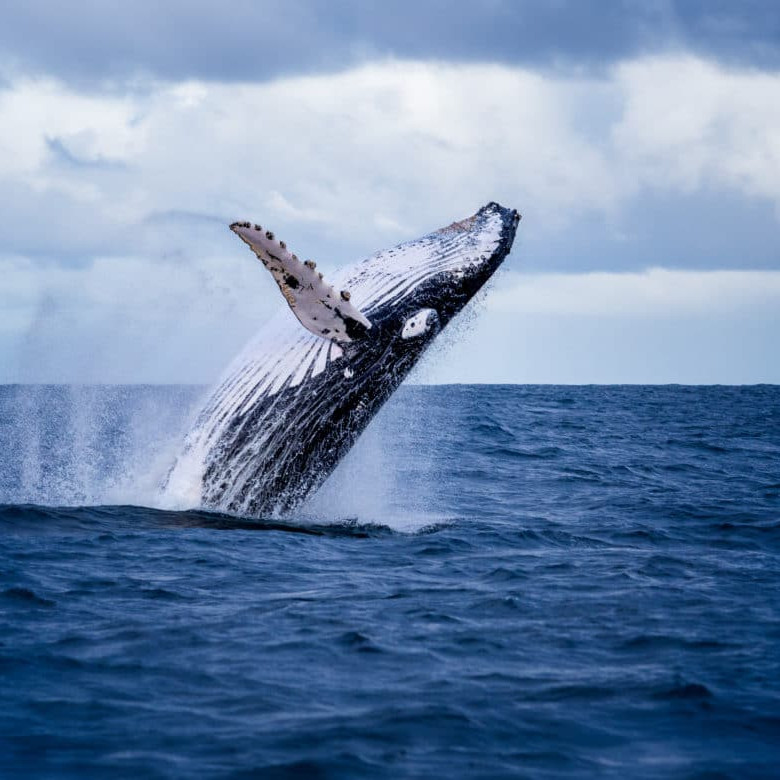
Sail alongside humpback whales
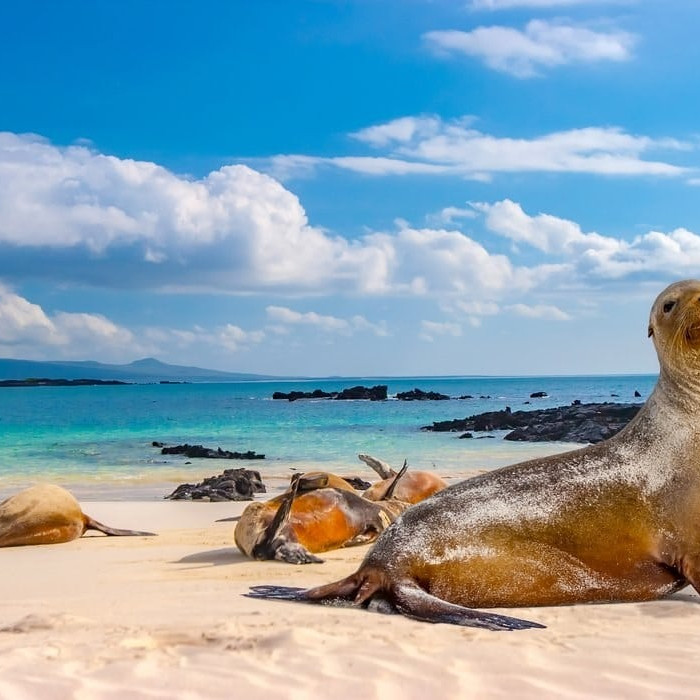
Watch the Sea lions
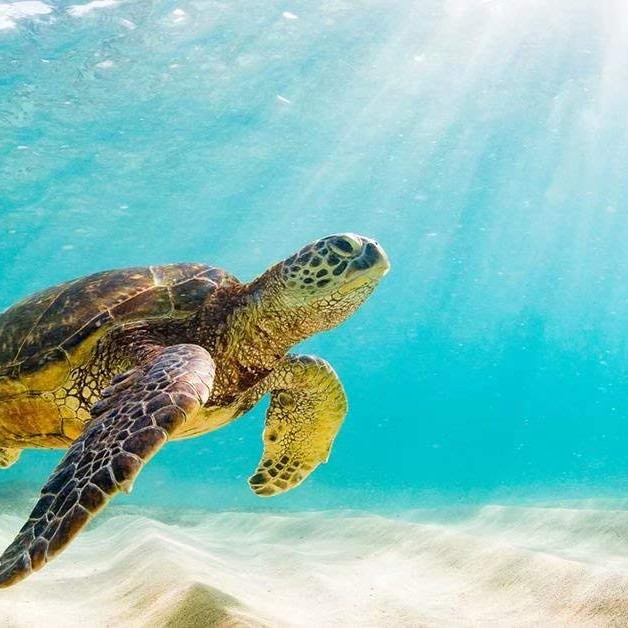
Snorkel with Sea turtles
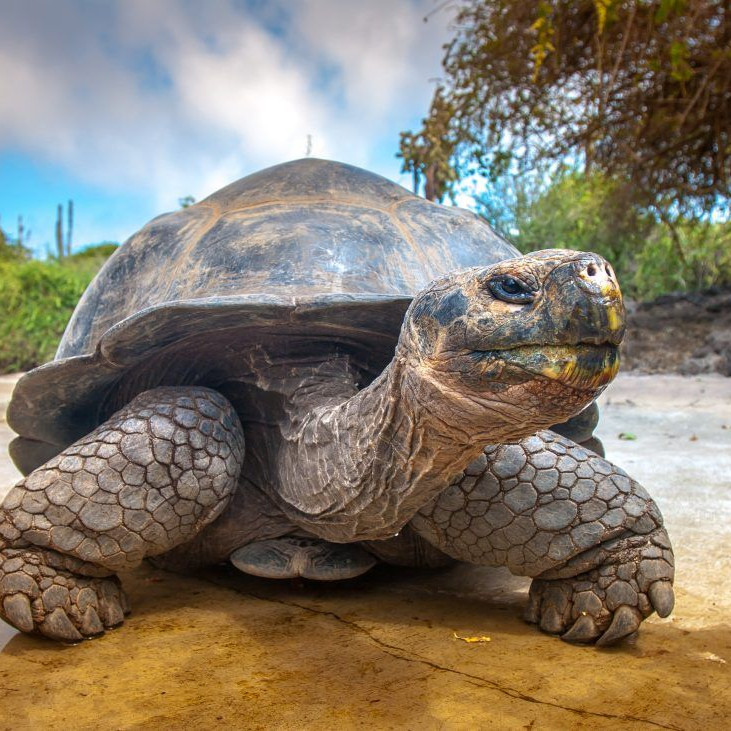
Get close to the iconic Galapagos tortoises
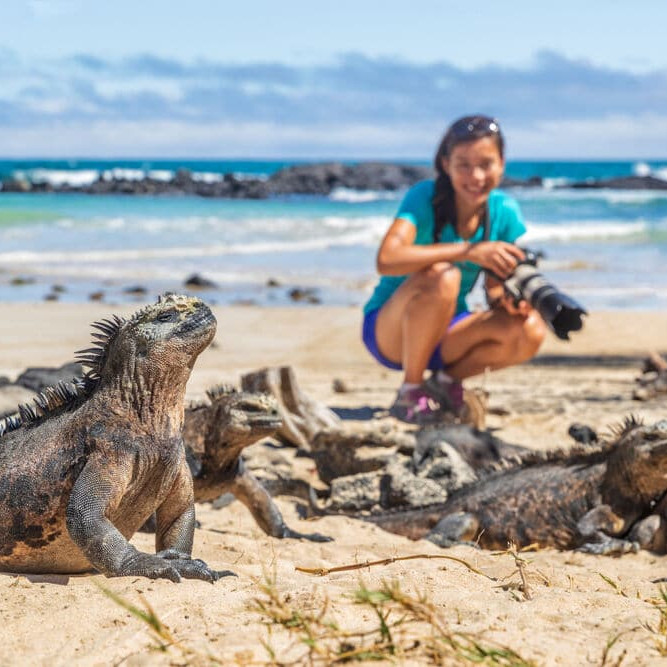
Take pictures of the Marine Iguanas
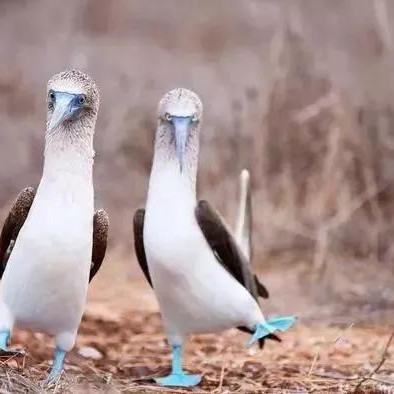
Become friends with the blue-footed booby

Pick up the post from Post Office Bay
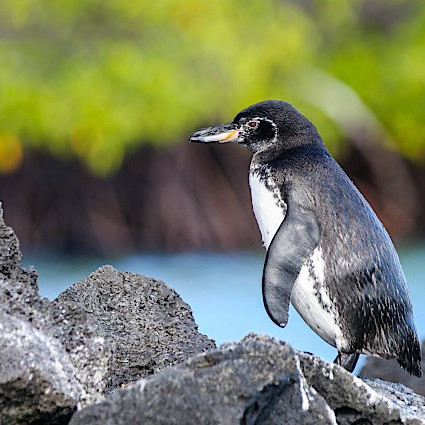
Visit the world’s second smallest penguins
When to go
The Galapagos is a year round destination, however, the best time to visit would be from December to May, when the temperatures range from the 70 F° – 80 F°, the perfect conditions for adventure tourism and wildlife spotting.
How to get to the Galápagos Islands
There are no direct international flights to the Galapagos Islands. Daily flights to the Galapagos Islands depart from the cities of Quito and Guayaquil on mainland Ecuador. The best way to getting there would be to fly intro Baltra Island or San Cristobal, the main two airports in Galapagos, and taking a bus there to your specific destination / island / hotel.
SUBSCRIBE!
Are you a globetrotter? Join our platform and get exclusive travel tips, getaways and more!

The rise of the staycation
It’s no secret that staycations have soared in popularity. With the cost of living on the rise, alongside countless delays and...

Experience Oktoberfest Like a Local
Oktoberfest is the world’s biggest beer festival, drawing an enormous crowd to Munich, Germany every year. The party kicks off...

Why Spain and Portugal Are a Dream Destination for Heritage Enthusiasts
Spain and Portugal are dream destinations for heritage enthusiasts because they offer well-preserved historic cities, diverse cultural...

Belém Tower’s Limestone and the Granite Bridges of Porto: Mapping Architectural Icons
Portugal rarely separates water from stone. The coastline folds into riverbanks, and architecture seems to grow from whatever material...

Shadows of Mount Vesuvius and the Roman Colosseum: A Chronicle of Ancient Power
Italy does not introduce its monuments gently. You turn a corner and stone appears, already weathered, already carrying a history that...

The Commuter’s Choice: Why Savvy Travelers Skip the Flight for the Alfa Pendular
Airports tend to begin the same way. Fluorescent light. Security trays. A line that advances in small increments before stopping again...