

Manatee Season in Florida:
When to Go, Where to Stay, and What to Expect
Manatee season in Florida is the kind of experience solo travelers talk about for years. Floating beside a thousand-pound gentle giant in crystal-clear springs, with nothing but the sound of water and birdsong around you, it’s genuinely unlike anything else.
But for first-timers, the planning feels murky: when exactly should you go? Where can you legally get in the water with them? Is it safe to do solo?
This article answers every question you actually need answered before booking.
When Is Manatee Season in Florida?
The short answer: it’s less about the calendar and more about water temperature.
Manatees can’t tolerate water below 68°F for extended periods, so when Gulf temperatures drop in late autumn, hundreds migrate inland to Florida’s natural spring systems, which stay a steady 72 to 74°F year-round. That temperature consistency is what draws them, not the month on your calendar.
The peak window
November through March is the core season. December through February is the sweet spot, when manatee density is highest and in-water encounters are most reliable. Early-morning tours during this window are when the best experiences happen, with calm water, low boat traffic, and dozens of manatees gathered in the springs.
If you can plan around one specific event, the annual Homosassa Manatee Festival in January is worth building your trip around. It combines wildlife access with local food, art, and community events, and the timing puts you squarely in the best window.
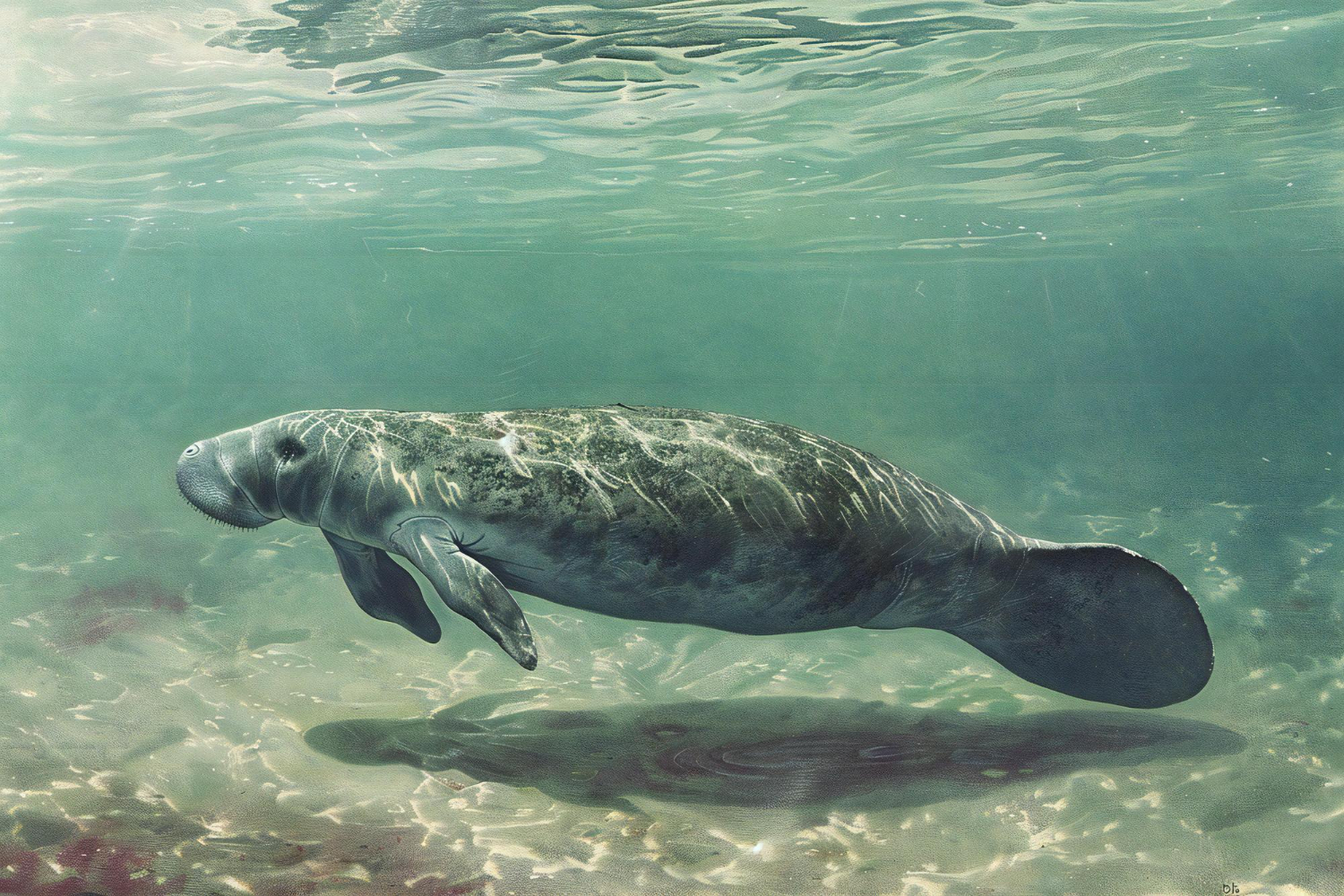
Can you still see manatees outside peak season?
Yes, though with different expectations. Even in summer, up to 100 manatees stay near the warm springs year-round. Off-season encounters are less predictable and less concentrated, but not impossible. If peak-season dates don’t work for your schedule, you can still have a meaningful experience. Just don’t expect the same density.
Where Can You Actually Swim with Manatees in the US?
Crystal River and Homosassa in Florida are essentially the only places in the United States where swimming with wild manatees is legally permitted.
Tour operators in Crystal River run under Special Use Permits from the U.S. Fish and Wildlife Service’s Crystal River National Wildlife Refuge, the only federal refuge in the country dedicated solely to manatee protection. Homosassa sits within the same spring system and typically draws fewer crowds.
Other Florida spots, like Blue Springs State Park, Tampa Bay, and the Florida Keys, have manatees present, but allow only boardwalk or boat-based viewing. If getting in the water is the goal, Citrus County is the only answer, though there is a lot more to Florida’s natural side.
Book a Guided Tour
Guided tours take you out by boat to active aggregation sites for a snorkel alongside manatees in open water. Expect a “Manatee Manners” briefing, dawn departure, and a cost of roughly $50 to $75 per person. For a solo first-timer, this is the stronger call.
Go at Your Own Pace
Kayaking or boardwalk viewing at spots like Three Sisters Springs or Ellie Schiller Homosassa Springs keeps costs low and the experience fully self-directed. Better suited for non-swimmers or families with small kids.
Is This a Good Activity for Solo Female Travelers?
Genuinely, yes. Tours run in small groups with a licensed guide, so you’re never alone in the water. Departure times are early (often 6 or 7 am), and the atmosphere is calm and focused. Other participants are typically families, couples, and fellow solo travelers, all there for the same reason.
Homosassa and Crystal River are quiet, outdoor-focused towns with no crowded tourist strips to navigate. For solo female travelers who prefer nature over urban chaos, with the right planning, this stretch of Florida’s Nature Coast is a particularly good fit.
Practical Safety Notes
- Gear (wetsuit, fins, mask) is almost always included or available to rent. Confirm when booking.
- The encounter is passive. You float and observe, no chasing animals or fighting currents.
- Federal law prohibits touching or harassing manatees, and guides consistently enforce this.
- Tours finish early, leaving the rest of the day yours.
Your Practical Questions Answered
Below are some frequently asked questions from visitors.
How cold is the water?
The springs stay at a constant 72 to 74°F year-round, regardless of air temperature. In winter, it’s noticeably warmer than the Gulf. A wetsuit is still strongly recommended for morning tours when the air is cooler, and you’ll be floating for an extended stretch.
Do I need to be a strong swimmer?
Basic swimming ability is required, but this isn’t strenuous. The water is shallow and calm near the springs, and snorkeling is low-exertion. Guides brief you fully before anyone enters the water. If you’re nervous, tell the operator when you book.
Can children participate?
Most operators welcome children, but age and height minimums vary. Some require participants to be at least 6 years old or able to swim independently. Always confirm directly with your chosen operator before booking. If your child doesn’t know how to swim, Florida has a lot of more interactive experience you can enjoy with your family.
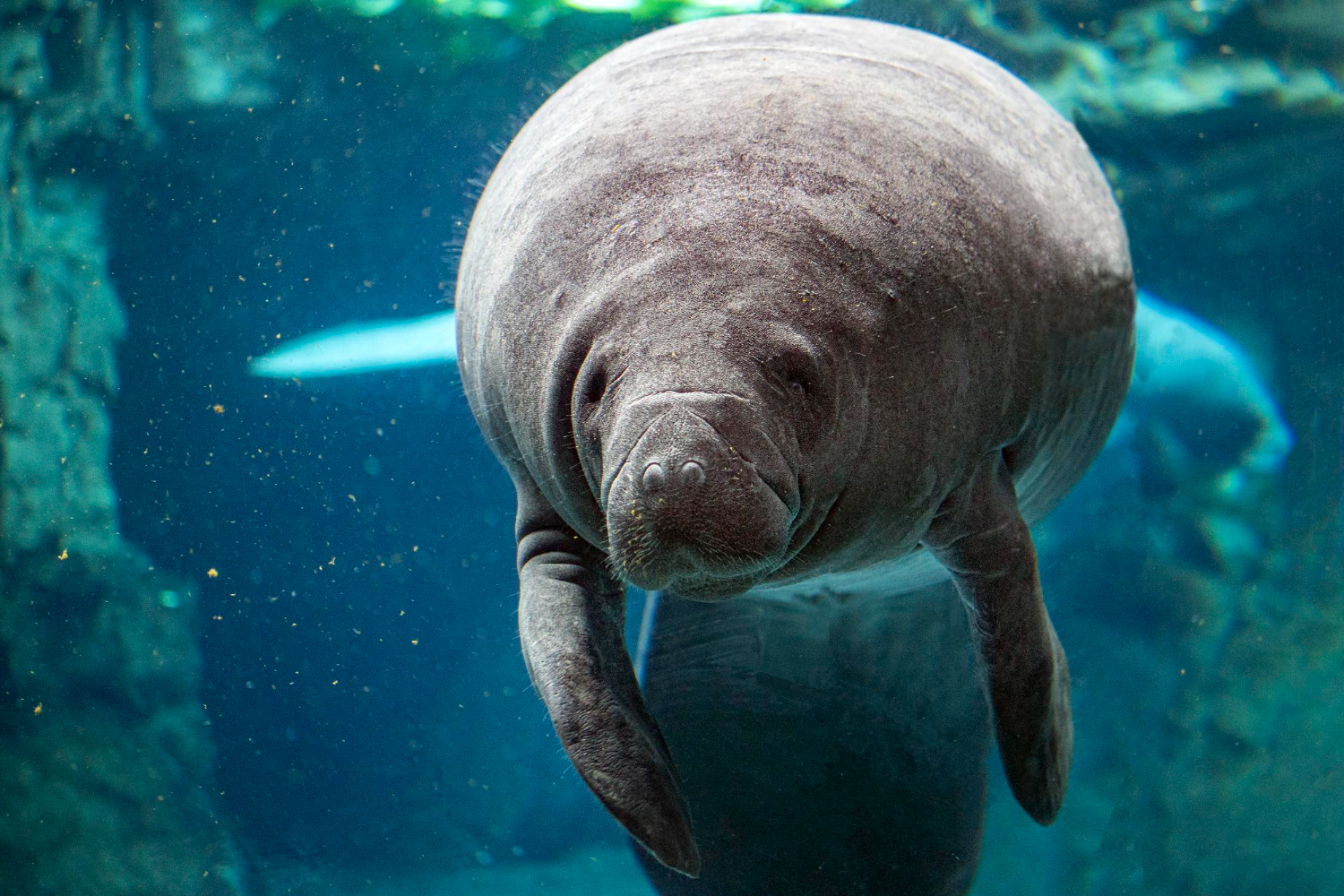
What if a manatee approaches me?
Stay still and let it happen. Manatees are naturally curious and may come right up to you, which is genuinely one of the most remarkable parts of the experience. Passive observation is fine if they initiate. Never pursue, surround, or touch them.
Will I definitely see manatees?
No wildlife sighting is guaranteed. That said, winter tours in Crystal River and Homosassa consistently have high encounter rates, especially at dawn during peak season. The guides monitor conditions daily and know the aggregation areas well.
What should I bring?
Swimsuit, a dry change of clothes, sunscreen, and a reusable water bottle. Leave jewelry at your accommodation. A waterproof camera or GoPro is worth it if you have one.
Where to Stay for the Best Manatee Season Experience
Most tours launch at dawn, so staying in Homosassa or Crystal River puts you minutes from every departure point rather than setting a 4:30 am alarm from Tampa.
Waterfront vacation rentals are the sweet spot. Many sit directly on the river with dock or marina access, meaning you can kayak from your doorstep and walk to your morning launch. Look specifically for vacation homes on the water in Homosassa.
If you’re building a broader Florida road trip, the Nature Coast sits between Tampa and the Panhandle and remains one of the few stretches that still feels genuinely unhurried.
Ready to Book?
Manatee season in Florida is one of those experiences that quietly rewrites what you think a wildlife encounter can be. It’s not a zoo. It’s not a theme park. It’s a wild animal choosing to float toward you in its natural spring habitat, on its own terms, while you try to remember to breathe.
Book for December through February for peak encounters. Stay in Homosassa or Crystal River to make the logistics easy. Choose a guided tour for your first time. And give yourself a full day, because once you’re out on the water, you’ll want to stay.