

When the Unexpected Hits:
Using Navigation Tools to Stay Safer Outdoors
Preparation shows up when a day stops cooperating. A good route, dependable gear, and a clear sense of where you are can calm things down fast. Whether you’re walking familiar ground or trying a new area for the first time, confidence usually comes from what you did before you ever left the trailhead.
Digital maps have become part of that baseline for a lot of people. They clear up land access questions, keep your position obvious when service drops, and help you make cleaner decisions when plans change mid-day. Used well, they cut down on guesswork and keep you thinking straight when it counts.
Outdoor safety doesn’t have to come from anxiety. It comes from understanding that remote places offer fewer easy outs. When you’re prepared, mentally and practically, it’s easier to stay curious and present instead of tense and reactive.
Location Awareness as a Safety Tool
A sense of place influences almost everything outdoors. Terrain, distance, land ownership, and access points. They all shape how a trip unfolds, especially once you’re past the last bar of cell service. When conditions shift, or you drift off-plan, knowing exactly where you are can keep a small hiccup from turning into a long, grinding problem.
Offline maps are one of the simplest confidence builders out there. With maps saved ahead of time, you can check your location, confirm you’re on the right side of a boundary, and get a quick read on what the land is doing around you. That matters when you’re choosing a way back to the trailhead, working around a fallen tree, or deciding if you truly have enough daylight left to keep moving.
Land details help in a quieter way, too. Verifying access reduces the chance of wandering into the wrong area or ending up in a tense situation far from help. It also makes planning more realistic. Roads and routes connect more clearly. Shortcuts stop being wishful thinking.
Map tools don’t replace judgment. They give it a better footing. When you’re not constantly wondering what’s around the next bend, your decisions come from clarity instead of assumption.
Making Clear Decisions When Things Go Wrong
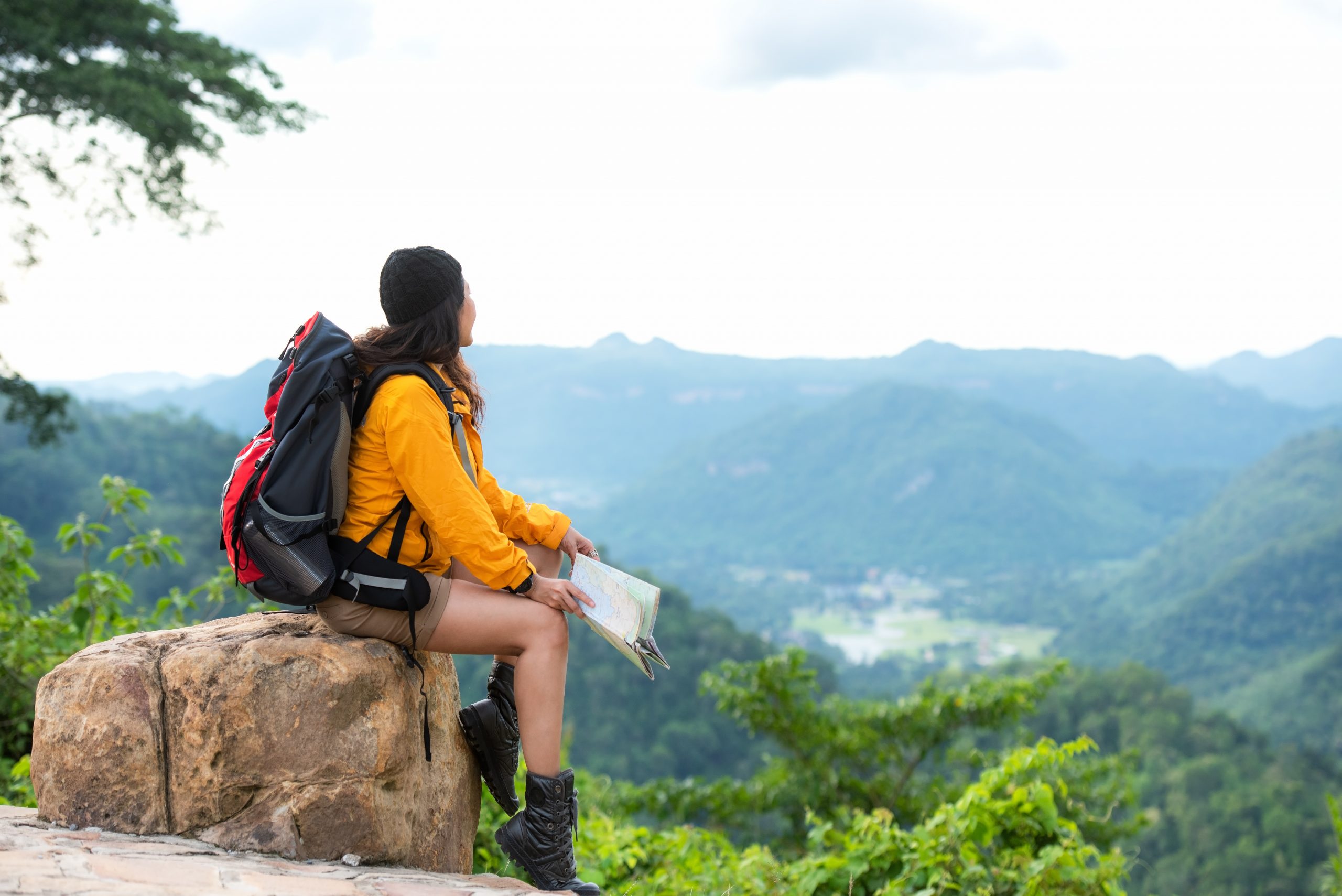
When something feels off out there, dragging your feet rarely helps. Clouds build faster than you thought. One wrong turn turns into an extra hour. Your legs go from fine to cooked without much warning. That’s when a clear read on your situation matters more than staying optimistic.
Checking your position and what’s around you helps reset the situation. How far are you from the trailhead? Is there a nearby road? How much elevation is still ahead? Those details pull your decision-making back into reality. A quick look can tell you whether pushing forward still makes sense or if it’s smarter to change course before fatigue or darkness narrows your options.
It also quiets the mental noise. Instead of arguing with half-remembered routes or relying entirely on instinct, you’re responding to what’s actually in front of you. That’s how you keep judgment steady under pressure, whether you’re dealing with an injury, a weather window closing, or a day that simply didn’t go the way you expected.
Most outdoor problems don’t arrive all at once. They build. Being able to reassess in real time helps you catch them early.
When Safety Issues Turn Personal
Many outdoor challenges are practical. You get turned around. The weather snaps. Someone tweaks an ankle. With experience and solid choices, those situations usually stay manageable.
Personal safety incidents aren’t like that. They can happen at trailheads, dispersed campsites, quiet access roads, or while traveling between destinations. And when they do, the hardest part is often what comes after, when adrenaline fades, and you’re left trying to decide what to do next.
It helps to acknowledge reality without letting it take over the whole story. Sexual harassment and sexual assault can happen outdoors, just as they can happen anywhere. If you or someone you’re with experiences sexual assault, having a basic understanding of your options can bring structure back into a moment that feels chaotic. Knowing how to report a sexual assault and what to expect can make the next steps feel less overwhelming, especially when you’re far from home or dealing with unfamiliar systems.
Preparedness here doesn’t mean carrying fear into the woods. It means leaving yourself a few handholds if something goes wrong. The same mindset that has you saving maps and thinking through exit routes applies here, too. Clear options and access to support matter when the situation isn’t something you can shrug off and keep walking.
Planning Ahead Without Overthinking It
Good preparation doesn’t require turning every trip into a contingency exercise. It’s a handful of small habits that quietly work in your favor. Save maps before you leave. Skim recent trail reports. Get a basic sense of where help might be found nearby. None of it weighs on you once you’re out there, but it pays off when plans shift.
It also helps to know what’s around your destination. Where’s the nearest town? Which roads close seasonally? Is there a ranger station in the area? Those details can anchor decisions when the day loses its rhythm, and they cut down the mental load when stress is already competing for attention.
This kind of planning leaves room for spontaneity. You’re not scripting every move. You’re simply giving yourself options, which is what keeps small problems from snowballing.
Knowing Where to Turn for Support
When something serious interrupts a trip, the next step isn’t always obvious. In those moments, access to reliable support can matter as much as any piece of gear. That support might come from medical professionals, local authorities, or organizations built specifically to help people through traumatic experiences.
For someone dealing with sexual assault, it can help to talk to a confidential support organization that won’t push you in any direction. Sometimes the most useful thing is simply understanding your choices and what the process actually looks like. RAINN has a straightforward guide on what to expect if you decide to report to law enforcement, which can make the next steps feel less like a black box and more like a set of options you control. Understanding the process helps people make decisions that feel right for them, particularly when they’re far from home or unfamiliar with local systems.
Support exists to create breathing room. It gives people space to pause, ask questions, and regain their footing. Outdoors or not, knowing help and clear information are available can make a heavy situation feel more manageable.

Small Habits That Add Up to Real Safety
Most bad outcomes in the backcountry start small. A late start. A missed turn you plan to fix later. A pace that feels fine until it suddenly isn’t. The goal isn’t perfection. It’s catching issues early while they’re still easy to solve.
A few small habits stack the deck in your favor. Drop a pin where you parked. Mark a couple of easy exit points along the route, even if you’re sure you won’t need them. And in mixed-use areas, double-check boundaries before you stop for lunch or call it a night. Those quick checks can save you a lot of confusion when you’re tired, cold, or racing the last light.
Be honest about energy and timing, too. If a steep climb still lies ahead and the sun is already dropping, that information matters. Turning around early might sting for a moment. Later, it usually feels like good judgment.
Safety rarely comes from one heroic decision. It’s built from a series of small, steady choices that keep you oriented and ready to adjust as the day unfolds.
Preparedness as Part of the Outdoor Ethic
Spending time outside comes with an unspoken responsibility to look out for yourself and the people around you. That doesn’t mean expecting everything to go wrong. It means accepting that awareness and preparation are part of moving through shared spaces with care.
This shows up in simple ways. Choosing routes that match the day’s conditions. Paying attention to access and boundaries. Taking a few minutes to review outdoor safety considerations before heading out alone or into unfamiliar terrain. These habits don’t limit the experience. They create room to make good decisions when circumstances shift.
Preparedness isn’t about control. It’s about staying adaptable. When safety becomes a steady practice, it supports confidence, respect for the landscape, and the freedom that draws people outside in the first place.